Europe's Recurring Energy Crisis: Supply Shocks and the Nuclear Dilemma
Europe finds itself grappling with its third energy crisis in just four years, a stark indication of its ongoing struggle to establish robust energy security. This recurring predicament, marked by volatile global markets and supply disruptions, highlights a persistent failure to fully insulate the continent from external shocks. The latest challenge stems from escalating geopolitical tensions that are increasingly impacting critical maritime trade arteries, reminiscent of previous crises triggered by events in Ukraine and the Red Sea.
Market Context: A Familiar Famine Grips the Continent
The current energy crunch echoes the severe fallout experienced in February 2022, when Russia's invasion of Ukraine revealed Europe's significant dependence on Russian natural gas, which previously constituted 40 percent of its supply. The subsequent energy sanctions imposed on Moscow plunged many European households into energy poverty and sent shockwaves through the market. Despite pledges made in the intervening years to enhance energy independence and diversify supply sources, recent events demonstrate these efforts have fallen short. The continent has navigated two additional crises since 2022, both linked to disruptions in vital shipping lanes. First, conflict in the Red Sea intermittently choked crucial trade routes in 2023 and 2024. Now, the effective closure of the Strait of Hormuz presents the latest significant challenge, underscoring Europe's enduring reliance on imported fossil fuels and its acute vulnerability to geopolitical instability impacting global trade flows.
Analysis & Drivers: The Perils of Reactive Policy and the Nuclear Debate
A palpable sense of frustration is evident within European political circles, with one anonymous diplomat lamenting, "We swore we’d learn. We promised things would change but here we are." This sentiment points to a cycle of reactive policy-making, where immediate price concerns and public anxiety often overshadow the critical need for sustained, long-term strategic planning. Instead of concentrating on building competitiveness in an increasingly volatile world, policy often defaults to short-term fixes.
The recurring energy price spikes invariably reignite the debate surrounding nuclear power's potential to shield Europe from market volatility. The argument posits that increased nuclear capacity would provide insulation from fluctuating gas prices, leading to greater stability and reducing the impact of external shocks. This perspective holds merit, particularly for nations with established nuclear infrastructure, such as France. France's substantial nuclear fleet has historically provided a buffer against gas price surges, as its electricity cost structure is less immediately tied to fossil fuel expenses when natural gas prices skyrocket.
However, even France has recently experienced elevated electricity prices, demonstrating that no energy system integrated into the broader European grid is entirely immune to gas pricing dynamics. While nuclear power demonstrably reduces exposure to fossil fuel volatility, it does not eliminate it. Furthermore, the current advantage held by countries like France is a legacy of decades-old strategic decisions. The aspiration to achieve price stability through new nuclear construction faces significant hurdles, including prohibitive timelines and astronomical costs. Projects like the Hinkley Point C in the United Kingdom, initially approved with ambitious targets, highlight the immense, long-term nature of such undertakings, making them unsuitable as immediate solutions to the current crisis.
Trader Implications: Navigating Volatility and Key Levels
Traders in the energy markets should brace for continued volatility. The confluence of geopolitical risks affecting supply routes and the ongoing debate over energy diversification strategies creates an environment ripe for price swings. Key indicators to monitor include:
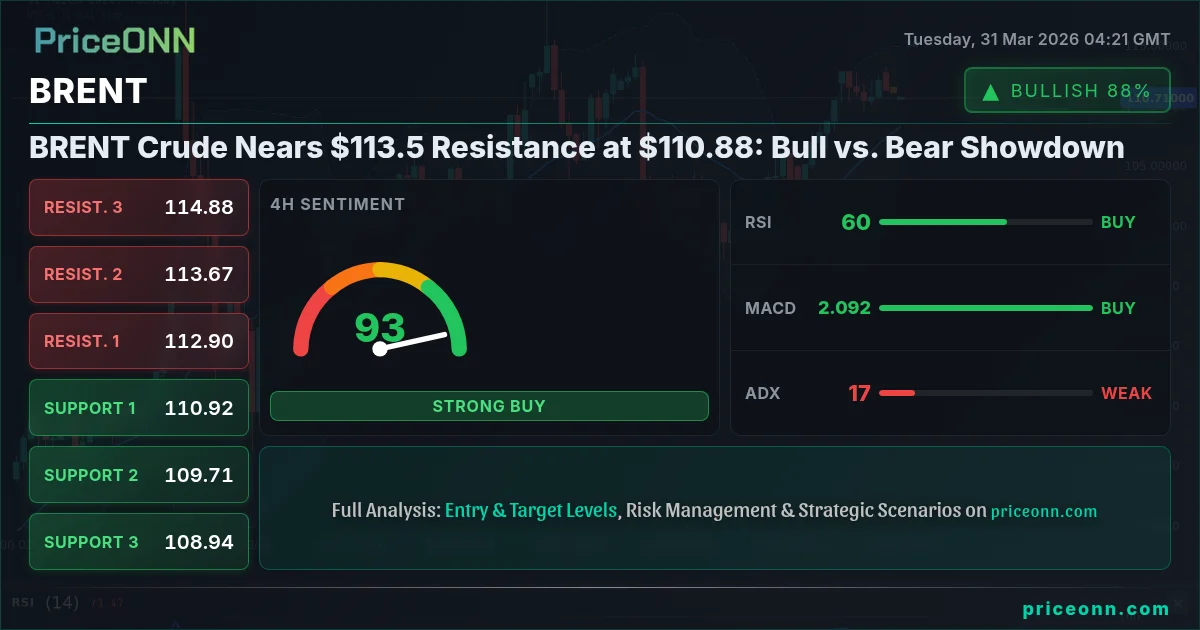
- Crude Oil Prices: Watch for sustained movements above $85 per barrel for Brent crude, which could signal growing supply concerns. Conversely, a break below $78 might indicate temporary market stabilization or a de-escalation of tensions.
- Natural Gas Futures: European natural gas prices (TTF) remain sensitive. A sustained push above €35 per megawatt-hour could indicate market jitters, while a retreat below €28 might suggest easing supply fears.
- Geopolitical Developments: Closely track news flow from the Strait of Hormuz and other critical maritime chokepoints. Any escalation or de-escalation of regional conflicts will directly impact price sentiment.
- EU Energy Policy Announcements: Keep an eye on any significant policy shifts or investment announcements regarding energy security and diversification. These could provide longer-term directional cues.
The current situation demands a cautious approach. Traders should consider employing strategies that account for sharp price movements, such as utilizing options for hedging or focusing on shorter-term trading horizons. Risk management remains paramount, with strict adherence to stop-loss orders essential to protect capital.
Outlook
Europe's energy security remains a work in progress, with recurring crises underscoring the need for more decisive and long-term strategic planning. While geopolitical tensions continue to cast a shadow over supply routes, the debate over nuclear power's role will likely intensify. However, the practicalities of new nuclear construction mean it cannot serve as an immediate panacea. Traders should anticipate continued market choppiness as Europe navigates these complex challenges, with price action heavily influenced by headline geopolitical events and the pace of energy transition efforts.
Frequently Asked Questions
What is the primary cause of Europe's recurring energy crises?
Europe's recurring energy crises are primarily driven by its persistent reliance on imported fossil fuels and its vulnerability to geopolitical disruptions affecting critical maritime trade routes, such as the Strait of Hormuz and previously the Red Sea. This dependence was starkly highlighted by the impact of sanctions following Russia's invasion of Ukraine in 2022.
Can nuclear power effectively shield Europe from current energy price shocks?
While existing nuclear capacity, like France's, offers some insulation from gas market volatility, it does not provide complete immunity, as evidenced by recent price increases even in France. New nuclear builds face prohibitive timelines and costs, making them impractical as immediate solutions to current price shocks.
What should energy traders watch for in the coming weeks?
Traders should monitor geopolitical developments impacting shipping lanes, particularly around the Strait of Hormuz, and track key price levels for Brent crude (watching for breaks above $85 or below $78) and European natural gas (TTF) (watching for moves above €35 or below €28). Policy announcements from the EU regarding energy security will also be crucial.
Track markets in real-time
Empower your investment decisions with AI-powered analysis, technical indicators and real-time price data.
Join Our Telegram Channel
Get breaking market news, AI analysis and trading signals delivered instantly to your Telegram.
Join Channel