
Is the Fed Pivoting Back to Inflation Hikes Amidst Energy Shocks?
Federal Reserve officials are increasingly signaling a pivot back to inflation concerns, with a growing emphasis on rising price pressures over labor market conditions. Recent commentary from prominent figures within the central bank suggests a subtle but significant shift in their risk assessment, placing renewed focus on the potential for sustained inflation fueled by external shocks, particularly energy price spikes.
Market Context
The prevailing sentiment among Federal Reserve policymakers appears to be that the labor market is reaching a state of equilibrium. This view, articulated by officials including Vice Chair Philip Jefferson, Governor Michael Barr, and Governor Lisa Cook, marks a departure from earlier concerns about employment growth. Instead, the focus is sharpening on the upside risks to inflation. Jefferson specifically noted expectations for an increase in overall inflation in the near term, directly linking it to higher energy prices stemming from geopolitical tensions in the Middle East. The duration of these energy disruptions is now a critical variable, with the potential for longer-lasting price shocks to significantly impact both inflation metrics and broader economic growth.
Analysis & Drivers
The primary driver behind this evolving perspective is the resurgence of inflation risks. Governor Barr highlighted the crucial danger of a shift in inflation expectations, a development that could embed higher price levels into the economy. The central bank's attention is now firmly fixed on how long elevated energy prices will persist, as prolonged supply shocks represent a more substantial threat to price stability and economic health than temporary blips. Governor Cook reinforced this outlook, stating that while overall risks to the economy are balanced, the immediate threat comes from inflation. This strategic re-prioritization indicates that containing inflationary pressures has become the paramount objective, potentially overshadowing concerns about any nascent signs of economic slowdown. The labor market, meanwhile, is characterized as balanced, with officials acknowledging potential downside risks to hiring but no longer viewing employment as the primary policy lever.
Trader Implications
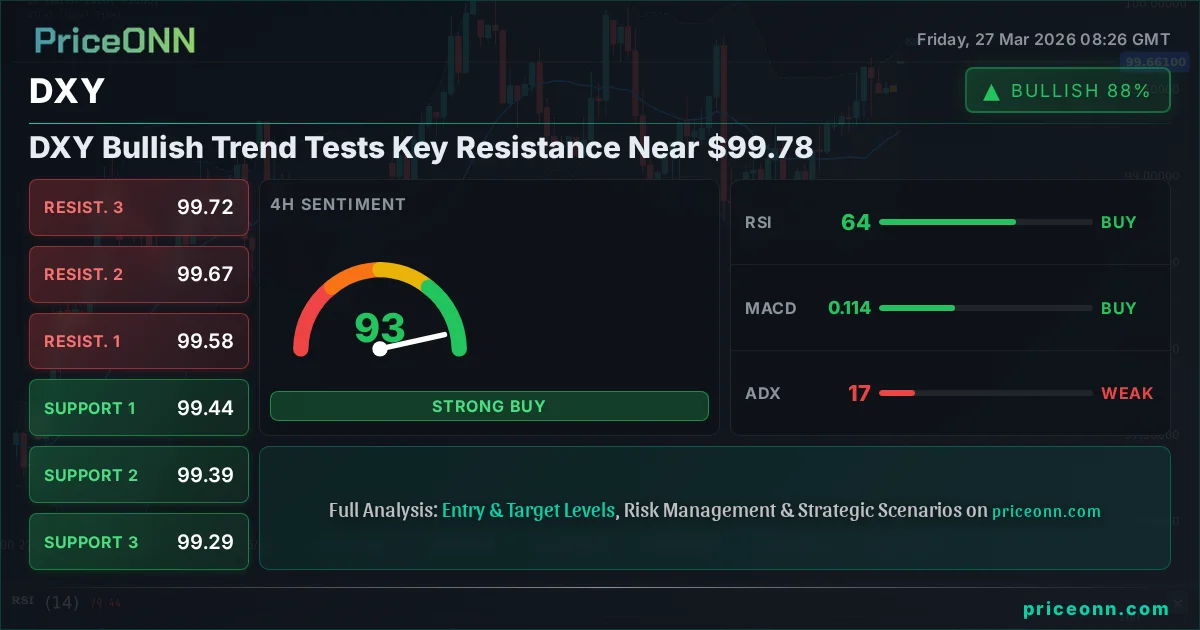
For forex traders, this shift in Fed sentiment is crucial. Markets will now be scrutinizing upcoming economic data with a heightened focus on inflation indicators, such as the Consumer Price Index (CPI) and Personal Consumption Expenditures (PCE) price index. Any signs of sticky or accelerating inflation, especially if linked to energy prices, could lead to a reassessment of the Federal Reserve's monetary policy path. This implies a reduced likelihood of imminent interest rate cuts and potentially opens the door for discussions about policy tightening if inflation proves more persistent than anticipated. Traders should closely monitor Treasury yields, as higher inflation expectations typically lead to rising yields, which in turn can strengthen the U.S. Dollar against its major counterparts. Key support for the Dollar Index (DXY) might be found around the 104.50 level, with resistance eyed at 105.20. For EUR/USD, a move below 1.0700 could signal further downside, while a sustained hold above 1.0750 might offer temporary reprieve.
Outlook
The Federal Reserve's renewed focus on inflation suggests a cautious stance on monetary easing. While policy is expected to remain on hold in the immediate future, the balance of risks has clearly tilted towards inflation. Upcoming Fed speeches and economic reports will be critical in shaping market expectations regarding the timing and magnitude of any potential policy adjustments. Traders should brace for increased volatility in currency markets as they digest this evolving narrative and its implications for global interest rate differentials.
Frequently Asked Questions
What is the Federal Reserve's current primary concern?
The Federal Reserve's primary concern has shifted back to inflation risks, particularly those stemming from elevated energy prices, rather than labor market conditions. Officials believe the labor market is currently in balance.
How could sustained high energy prices impact monetary policy?
Sustained high energy prices could lead to entrenched inflation dynamics and shift inflation expectations, potentially delaying or even negating anticipated interest rate cuts. This could prompt the Fed to maintain a restrictive policy stance for longer.
What key currency levels should traders watch following this Fed shift?
Traders should monitor the Dollar Index (DXY) around 104.50 support and 105.20 resistance. For EUR/USD, the 1.0700 level is a key downside watchpoint, with 1.0750 acting as potential short-term resistance.
Track markets in real-time
Empower your investment decisions with AI-powered analysis, technical indicators and real-time price data.
Join Our Telegram Channel
Get breaking market news, AI analysis and trading signals delivered instantly to your Telegram.
Join Channel
PriceONN