Forecasting the upcoming week: Hawkish Fed meets escalating Iran war

Dollar Faces Headwinds as Fed Policy Holds Steady
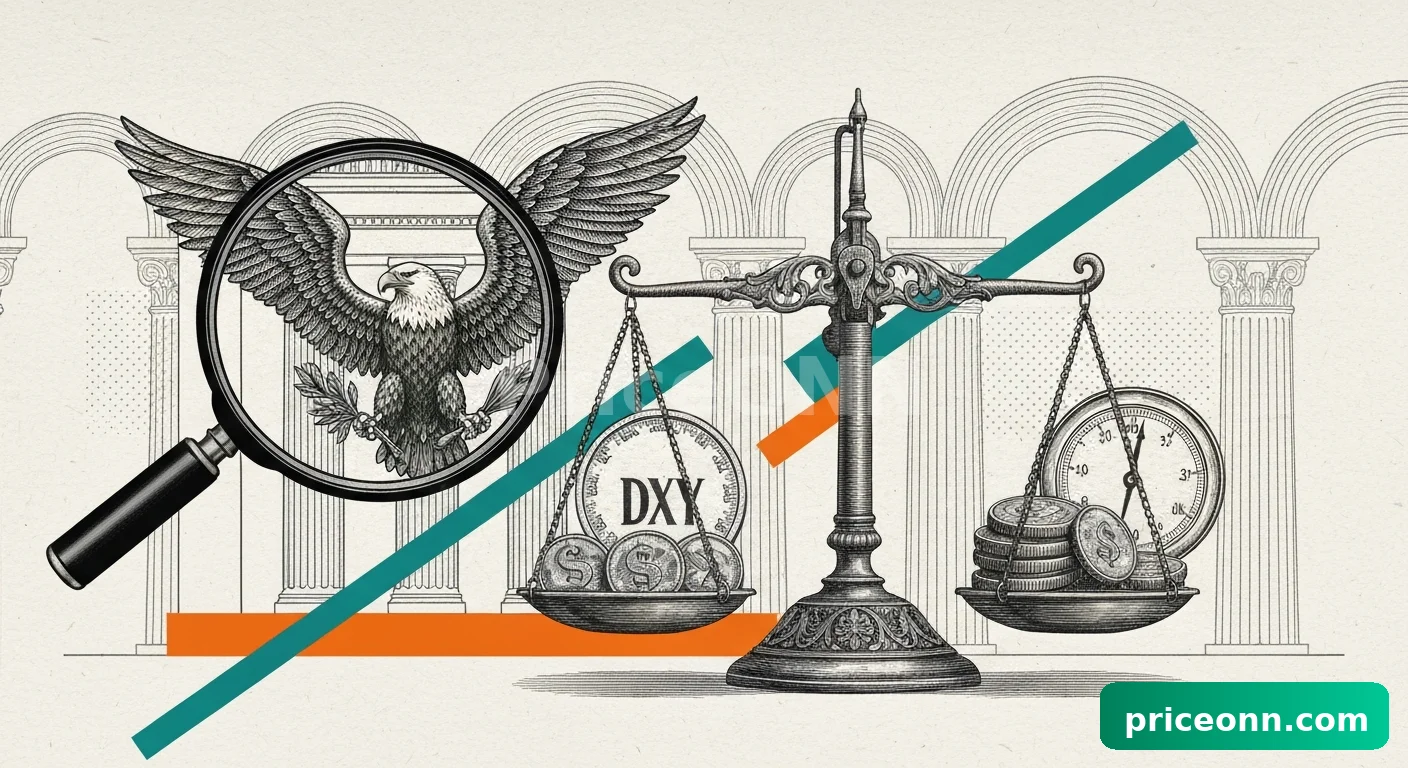
The greenback experienced a notable pullback this past week, with the US Dollar Index (DXY) retreating from its midweek highs to settle just below the significant 100.00 level. Friday saw the index close at 99.60, a move that erased earlier gains. These gains were primarily fueled by the Federal Reserve's widely anticipated decision to maintain its benchmark interest rate within the 3.50% to 3.75% band. While the Fed's stance offered some support, broader market sentiment appears to be shifting, allowing other major currencies to regain some lost ground against the dollar.
This period of dollar weakness occurred despite the central bank's commitment to price stability. The market's reaction suggests that while the Fed's policy is a crucial factor, other global dynamics are increasingly influencing currency valuations. The retreat below 100.00 on the DXY is a technical development traders will be watching closely for signs of a more sustained trend reversal or a temporary pause in the dollar's prior ascent.
Understanding West Texas Intermediate (WTI) Crude Oil Dynamics
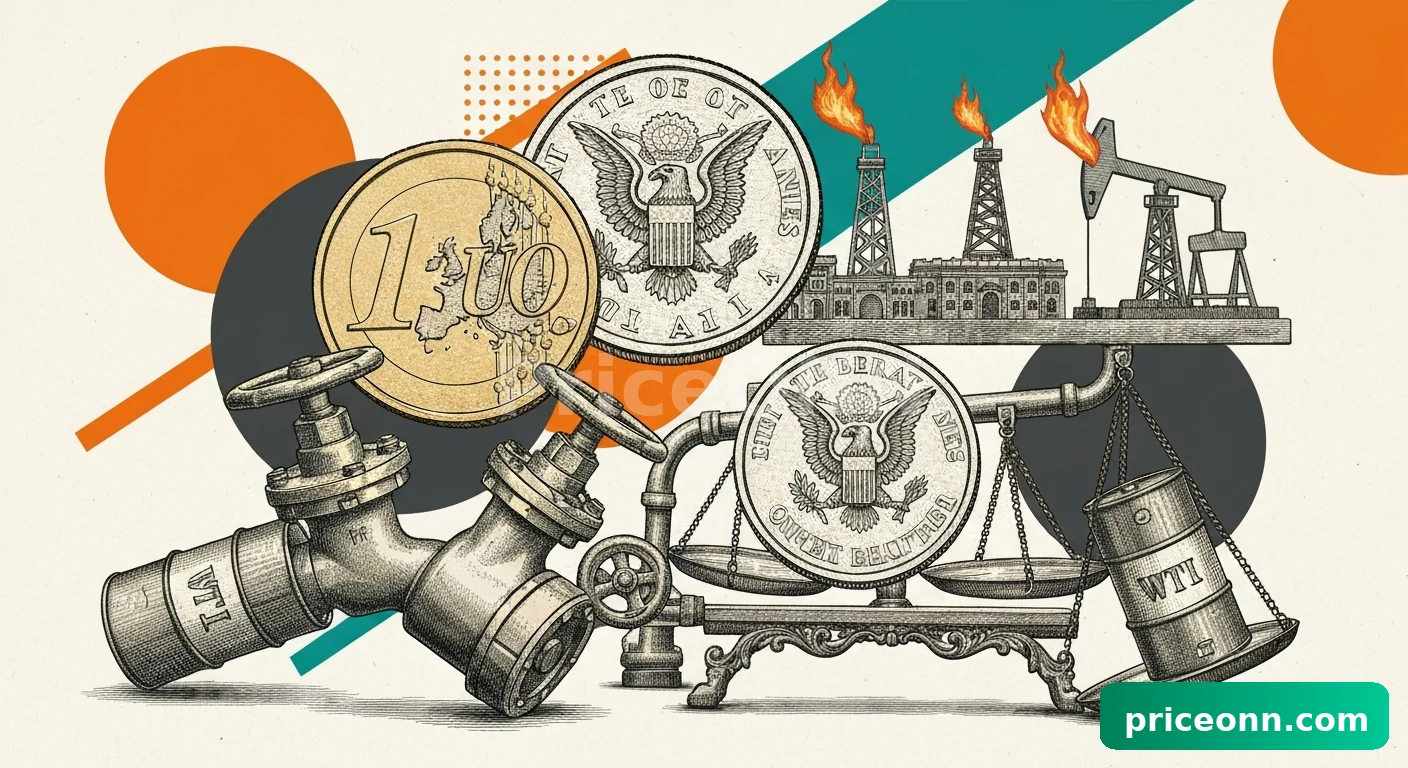
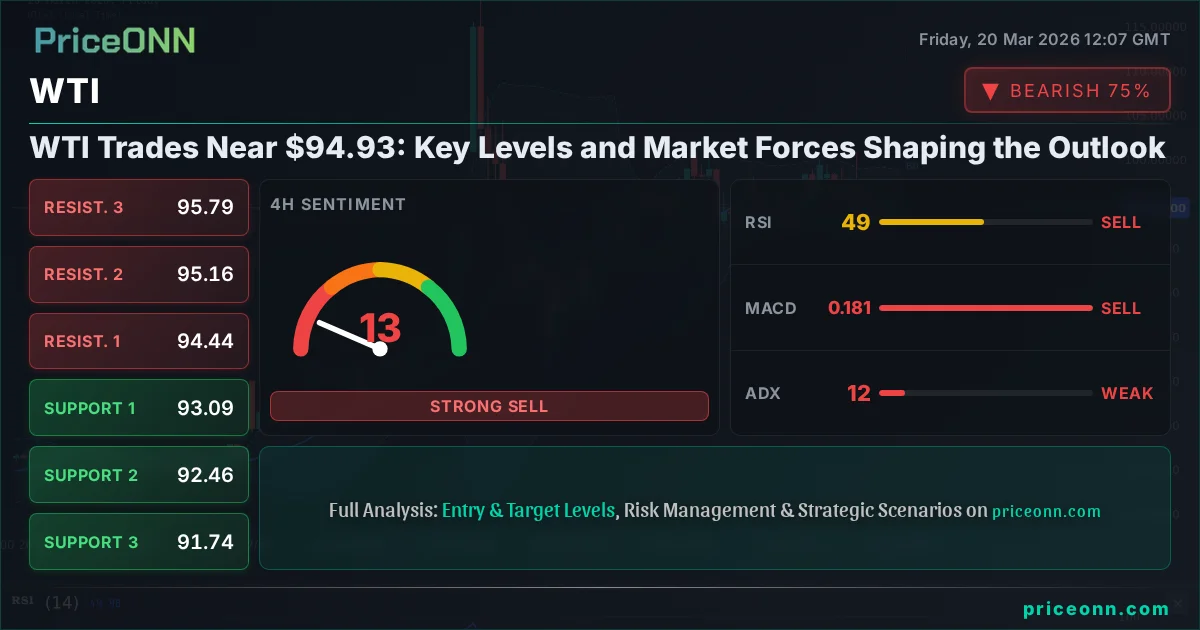
In parallel market movements, WTI Crude Oil, a benchmark for global energy pricing, presents a complex interplay of factors. Known for its 'light' and 'sweet' characteristics due to its low gravity and minimal sulfur content, WTI is a high-quality crude easily processed into fuels. Sourced primarily in the United States and distributed through the critical Cushing, Oklahoma hub, often called "The Pipeline Crossroads of the World," its price movements are closely scrutinized.
The fundamental drivers of WTI's value remain rooted in the age-old principles of supply and demand. Robust global economic expansion typically spurs greater energy consumption, thereby boosting demand for oil. Conversely, economic slowdowns exert downward pressure on prices. Beyond economic cycles, geopolitical events play a crucial role. Political instability, armed conflicts, and international sanctions can directly disrupt supply chains, leading to price volatility. The strategic decisions made by OPEC, the Organization of the Petroleum Exporting Countries, a cartel of major oil producers, are another significant influence.
Furthermore, the value of the US Dollar itself has a profound impact on WTI pricing. Given that crude oil is predominantly transacted in dollars, a depreciating dollar generally makes oil more affordable for holders of other currencies, potentially increasing demand and lifting prices. The opposite holds true for a strengthening dollar. Monitoring weekly inventory reports from the American Petroleum Institute (API) and the Energy Information Administration (EIA) offers insight into the delicate balance of supply and demand. A decline in stored oil inventories can signal robust demand, potentially driving prices higher, while increasing stockpiles often suggest oversupply and can lead to price declines.
Market Ripple Effects
The confluence of a softening US Dollar and heightened geopolitical risks, particularly concerning Iran, creates a complex environment for investors. The dollar's retreat from recent highs could provide a tailwind for commodities priced in the US currency, including gold and industrial metals. As the US Dollar Index (DXY) navigates levels below 100.00, traders are assessing whether this is a signal for a broader risk-on sentiment to emerge.
The escalating tensions in the Middle East directly impact energy markets. Any disruption to oil supply from the region could send WTI and Brent Crude prices soaring, potentially reintroducing inflationary pressures that central banks are actively trying to tame. This could complicate the Federal Reserve's future policy decisions, even as they currently hold rates steady. Consequently, we might see increased volatility in currency pairs like USD/CAD, where the Canadian Dollar often moves in tandem with oil prices. Investors will be closely watching for any shifts in OPEC+ production policies in response to these geopolitical developments, as such decisions could significantly alter the supply-demand balance and subsequent price trajectory.
Track markets in real-time
Empower your investment decisions with AI-powered analysis, technical indicators and real-time price data.
Join Our Telegram Channel
Get breaking market news, AI analysis and trading signals delivered instantly to your Telegram.
Join Channel