Germany Moves to Cap Fuel Price Hikes as War Drives Costs Higher
Berlin's Price Guardrails Emerge
Europe's largest economy is taking decisive action against escalating fuel costs. Facing relentless upward pressure on gasoline and diesel prices, the German government has greenlit draft legislation designed to curb excessive daily price hikes at the pump. This significant regulatory intervention aims to provide a measure of predictability for consumers and inject greater transparency into the fuel retail sector.
The core of the new proposal restricts gas stations to a single price adjustment per day, specifically at noon. This contrasts sharply with the current practice where prices can fluctuate multiple times. However, the new rules will permit stations to lower prices at any moment, a provision designed to maintain competitive dynamics. Enforcement will be stringent, with potential fines reaching up to €100,000 ($115,000) for non-compliance, signaling Berlin's seriousness in addressing the issue.
Shifting the Antitrust Burden
This legislative push extends beyond simple price caps. It introduces a fundamental shift in antitrust enforcement within the fuel industry. Under the proposed law, the onus will move from regulators proving anti-competitive behavior to fuel suppliers actively demonstrating their pricing adheres to fair competition standards. This inversion of the traditional burden of proof represents a powerful new tool for the German economy ministry to scrutinize pricing strategies.
The move comes after widespread public outcry and political pressure mounted as pump prices in Germany breached the €2 per liter mark this month. Data indicates these increases have outpaced the broader European average, prompting officials to question whether market forces alone are responsible for the sharpest price climb seen in years. Economy Minister Katherina Reiche has publicly stated that the oil industry has failed to offer a satisfactory explanation for Germany's disproportionately high fuel costs.
Global Tensions Fuel Domestic Pain
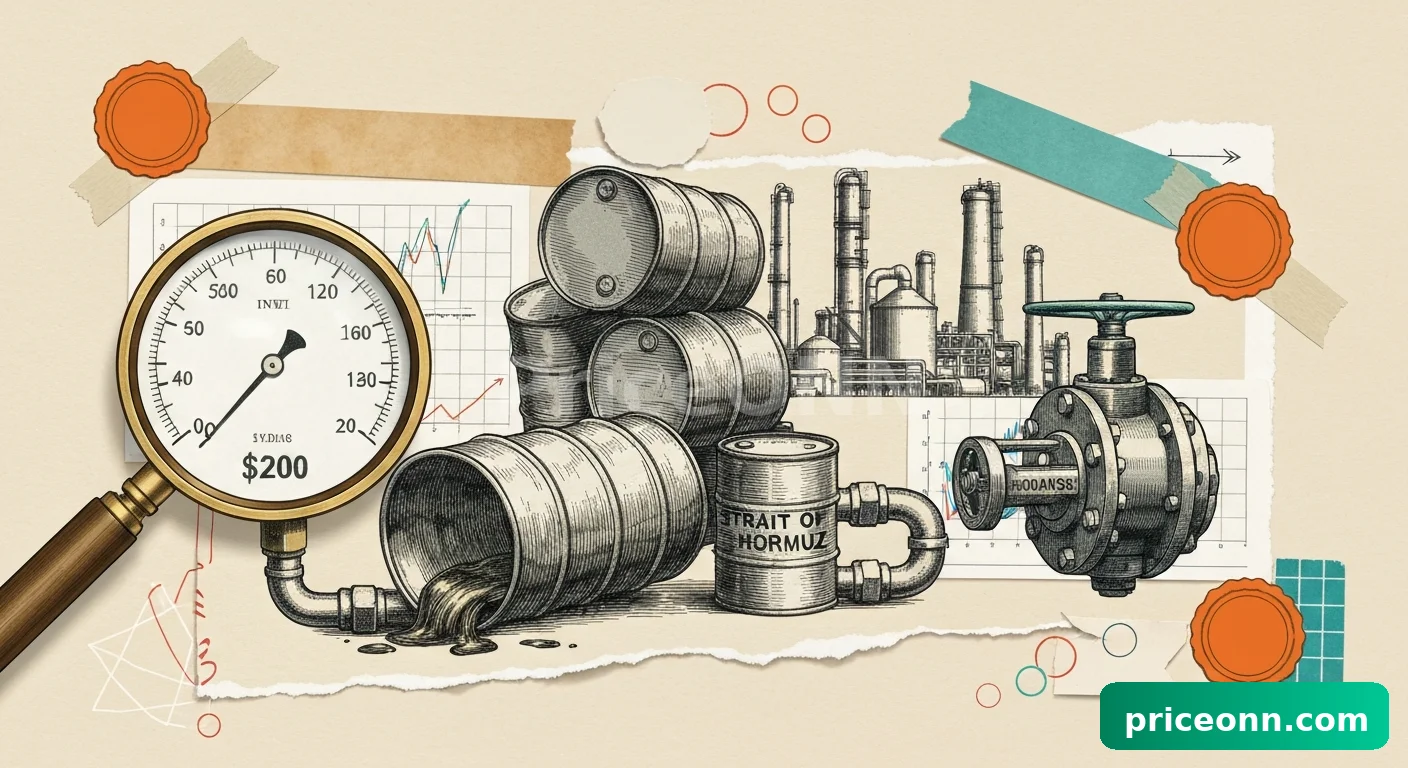
At the heart of Germany's current energy price predicament lie global crude oil supply disruptions. The ongoing conflict involving Iran continues to cast a long shadow, constraining flows through the critical Strait of Hormuz. Elevated shipping risks and soaring insurance premiums are limiting traffic through this vital chokepoint, directly impacting global supply and driving up crude prices. Brent crude has surged past the $100 per barrel benchmark, with refined product prices, particularly for diesel, experiencing significant tightness.
Germany's economic model, heavily reliant on energy imports, makes it particularly vulnerable to such price shocks. The impact is felt swiftly and acutely at the consumer level, fueling the government's resolve to act. The new legislation is slated for parliamentary review and is expected to be enacted in April, with a mandatory one-year evaluation period to assess its effectiveness.
Market Ripple Effects
The German government's decision to cap daily fuel price increases is a clear signal of its intent to shield consumers from extreme volatility, but its impact could ripple outwards. While aimed at domestic retail pricing, the move highlights the deep sensitivity of European economies to global energy markets. The underlying cause, the constrained supply from the Strait of Hormuz and heightened geopolitical risk, remains a potent factor for broader market sentiment.
Traders and investors should closely monitor the interplay between geopolitical developments in the Middle East and energy prices. The continued volatility in Brent crude and WTI crude directly influences inflation expectations and central bank policy across major economies. Furthermore, the Euro (EUR) may see some support if these measures are perceived to stabilize the German economy and temper inflationary pressures, although its strength will ultimately be tied to the broader ECB stance and global risk appetite. Energy stocks and related commodity ETFs will also remain in focus as supply-side concerns persist.
Track markets in real-time
Empower your investment decisions with AI-powered analysis, technical indicators and real-time price data.
Join Our Telegram Channel
Get breaking market news, AI analysis and trading signals delivered instantly to your Telegram.
Join Channel