How the Iran War Could Trigger a Global Credit Crunch
Energy Shockwaves Reach Financial Core
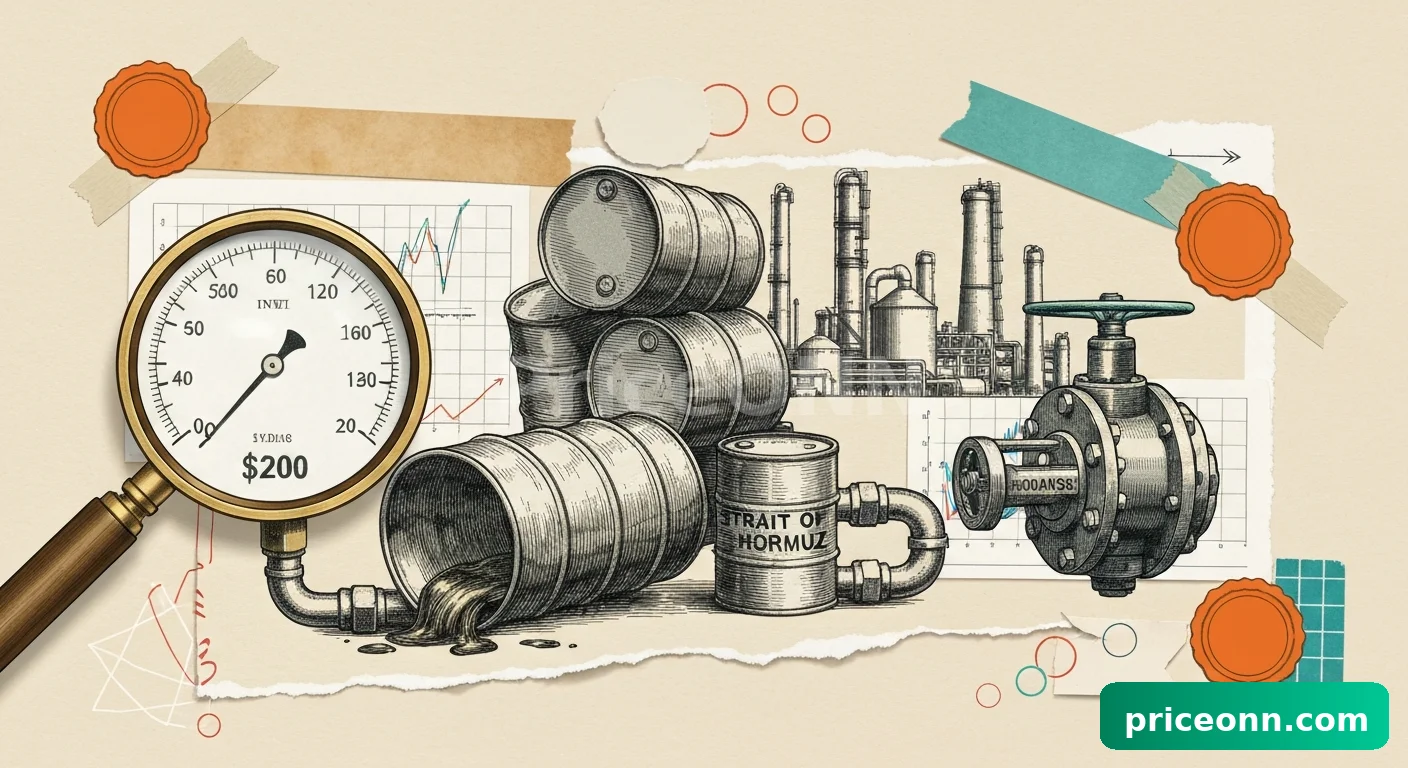
The dramatic escalation in the Persian Gulf, centered on Iran, has understandably seized headlines, primarily due to its immediate and forceful impact on oil and gas prices. While the full scope of its downstream economic repercussions is still unfolding, it is increasingly clear we are navigating an unprecedented energy crisis. Beyond the immediate fuel costs, a far more insidious financial threat is beginning to surface: the potential collapse of the petrocapital cycle, a linchpin for modern global finance.
This vital flow of investment capital from oil-producing nations, particularly those in the Persian Gulf, is now under severe duress. Its disruption threatens to constrict liquidity at a time when credit is more desperately needed than ever, signaling the possibility of a significant global credit crunch.
The Petrocapital Cycle: A Historical Lifeline
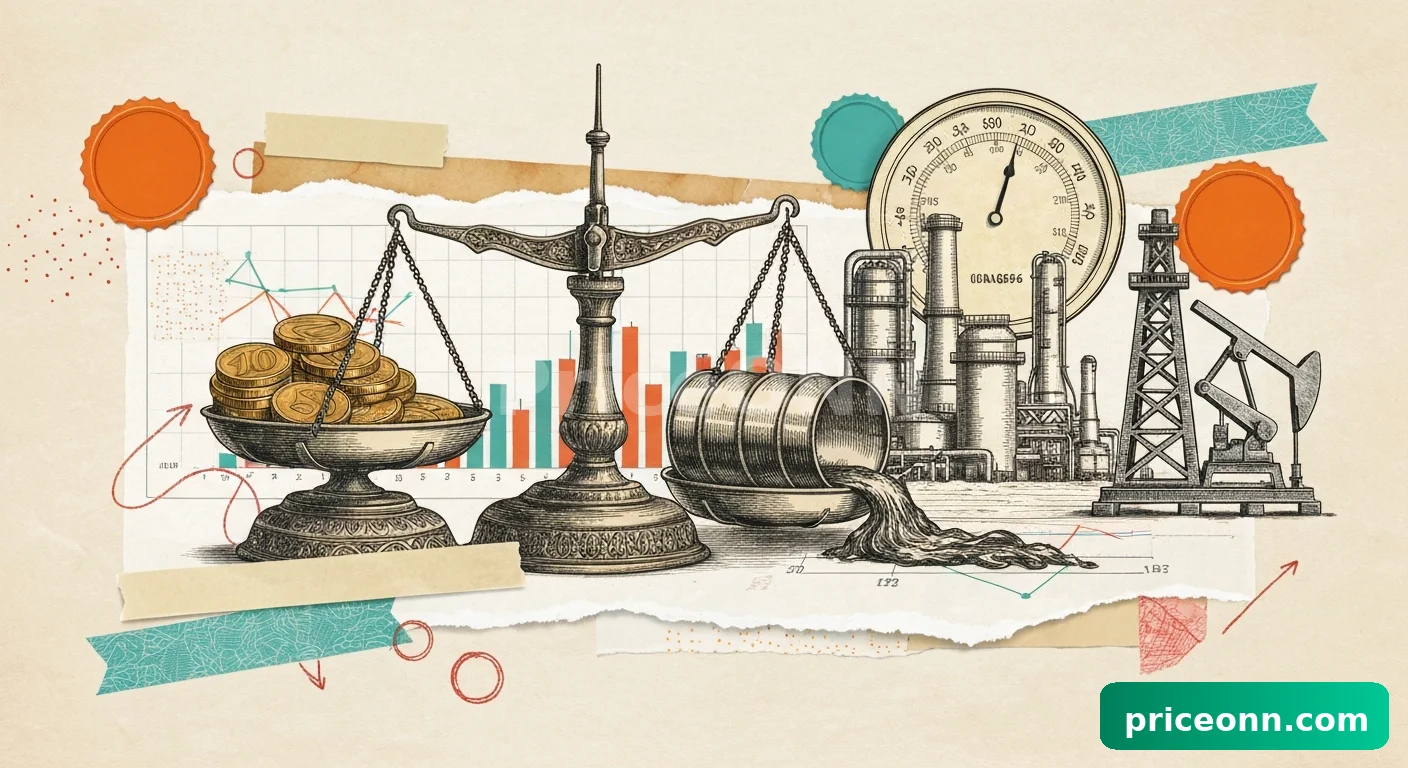
To grasp the gravity of the current situation, it is essential to understand the petrocapital cycle itself. This financial mechanism, first thoroughly explored in academic circles, represents the continuous movement of funds from oil-rich regions into the global financial system. For decades, major oil exporters have channeled a substantial portion of their revenue back into international markets through various investments.
This cycle serves multiple purposes. It injects much-needed capital into financial markets, helps oil-producing nations preserve their wealth, and crucially, prevents their domestic economies from overheating due to excessive internal spending. The modern iteration of this cycle solidified in 1973, following the dramatic quadrupling of oil prices, which left OPEC nations with substantial surplus revenues.
Since its inception, petrocapital has become a formidable force, and its ebb and flow have historically correlated with credit market stresses. The devastating Debt Crisis of 1982 serves as a stark reminder. Triggered partly by the 1979 oil price surge and the subsequent Volcker Shock, the crisis was exacerbated when Gulf monarchs redirected investment funds from international banks to finance Iraq's war against Iran. This confluence of factors-an oil shock, a credit drought, and inflationary pressures-led to widespread sovereign defaults across Latin America, leaving a lasting imprint on global finance.
While the architecture of international finance has evolved, the role of petrocapital remains central. In recent decades, as Persian Gulf states sought economic diversification, financial hubs like Dubai and Kuwait emerged as major conduits for Middle Eastern capital. Nations such as the United Arab Emirates actively courted foreign investment, offering attractive incentives like real estate opportunities and tax haven status, all predicated on regional stability.
Prior to the recent conflict, the Persian Gulf was lauded as a burgeoning center for global investment. For instance, the United Arab Emirates’ financial sector alone reportedly held approximately $1.4 trillion in assets as of November 2025. This vibrant financial ecosystem is now directly imperiled.
Disruption and Direct Threats
The closure of the Strait of Hormuz on February 28th represents a critical blow to the financial standing of every Gulf petro-state. Initially, Fitch Ratings suggested on March 5th that a month-long closure without significant infrastructure damage might only cause a mild, temporary downturn for these nations. However, the reality has proven far more severe.
The combination of Iranian naval mines and escalating attacks on vital oil infrastructure means that the optimistic scenario is no longer plausible. Consequently, everything dependent on these revenues, including the region's prominent financial centers, faces significant hardship.
The risks are compounded by a tangible lack of physical safety. Banks in Dubai are not merely fiscally vulnerable; they now face direct threats from military actions, potentially crippling their operational capacity. The Abu Dhabi stock exchange, for example, was forced to close on March 2nd and 3rd due to the imminent danger of drone strikes.
This danger materialized on March 11th when Iranian forces declared financial centers as legitimate targets. This significant escalation prompted major international banks, including HSBC, to shutter their Emirates offices, while Citigroup and Standard Chartered instructed employees to work remotely. The Dubai International Finance Center itself was targeted by drone strikes just two days later. Such acute pressures, coupled with direct threats to life and property, will undoubtedly diminish the capacity of Gulf banks to adapt to evolving market conditions.
A Global Credit Squeeze Looms
This dual disruption-to capital flows and operational stability-occurs precisely as global credit markets are exhibiting mounting signs of turbulence. Equity markets worldwide have seen consistent declines, fueled by anxieties over a potential global energy crisis stemming from regional tensions.
Simultaneously, debt markets are showing considerable strain. An OECD official recently characterized the inflationary pressures, exacerbated by the current energy crisis, as a "big stress test" for the global economy. The private credit sector is also experiencing a contraction in lucrative opportunities, leading to fierce competition for less attractive deals.
Even before the conflict, bond markets at the end of February indicated robust demand amidst rising economic uncertainty. This suggests a scenario where substantial capital was already chasing a shrinking pool of safe assets. The current crisis in the Persian Gulf, therefore, appears to have exposed a profound vulnerability, amplifying existing market fragilities.
This energy shock could be the precursor to a cascade of interconnected economic disruptions, constricting the flow of private capital into investment-starved markets and intensifying the prevailing price crisis. Investors, policymakers, and financial planners must brace for these challenging conditions and the heightened volatility that will characterize smaller, more competitive markets.
Reading Between the Lines
The unfolding situation in the Persian Gulf presents a critical juncture for global financial markets. The disruption to the petrocapital cycle is more than just a regional issue; it has the potential to trigger a global credit crunch by reducing the availability of liquidity precisely when demand is high. The interconnectedness of energy markets and financial systems means that shocks in one arena rapidly transmit to the other.
Traders should closely monitor the flow of capital from the Middle East, as any further reductions could signal deepening liquidity issues. The direct physical risks to financial infrastructure in hubs like Dubai and Abu Dhabi add a layer of uncertainty that is difficult to price. We should anticipate increased volatility in currency pairs like USD/CAD, given Canada's status as a major oil producer, and potentially a flight to safety impacting assets such as US Treasuries and the US Dollar Index (DXY).
The implications for equity markets, particularly sectors reliant on stable energy prices and abundant credit, are significant. Investors should be wary of heightened correlation between energy prices and broader market sentiment. Key risks include further escalation of the conflict, sustained disruption to oil supply routes, and a more severe contraction in credit availability than currently priced in. Conversely, opportunities may arise in sectors or assets that benefit from increased defense spending or a pivot towards energy security solutions.
Track markets in real-time
Empower your investment decisions with AI-powered analysis, technical indicators and real-time price data.
Join Our Telegram Channel
Get breaking market news, AI analysis and trading signals delivered instantly to your Telegram.
Join Channel