Oil Prices Surge Amid Strait of Hormuz Closure and Strategic Reserve Release

Global oil benchmarks have seen sharp upward movements as critical supply routes face disruption and a massive strategic reserve release fails to calm market nerves.
Market Context
The closure of the Strait of Hormuz, a vital chokepoint for global oil trade, has effectively removed approximately 20 million barrels per day from the market, significantly impacting supply. In response, the International Energy Agency (IEA), representing 32 member countries, convened an emergency meeting and agreed to release a record 400 million barrels from strategic petroleum reserves. Despite this unprecedented intervention, oil prices have continued to climb, indicating that the market is prioritizing physical supply constraints and geopolitical risks over the temporary relief offered by reserve drawdowns.
Analysis & Drivers
The primary driver behind the current market sentiment is the escalating geopolitical tension involving Iran and its impact on regional energy infrastructure. The disruption to Persian Gulf exports, coupled with the strategic pressure from Iran to push oil prices towards $200 per barrel, has created a supply deficit that the IEA's reserve release, though substantial at 400 million barrels, only partially addresses. Analysts note that the logistics of releasing such volumes are constrained, meaning the daily influx into the market is likely to be a fraction of the lost supply. Furthermore, market data shows that oil futures, while influenced by speculation, ultimately remain tethered to physical supply and demand fundamentals. The IEA's action, while significant, represents only about 20 days of lost deliveries, underscoring the depth of the supply crunch.
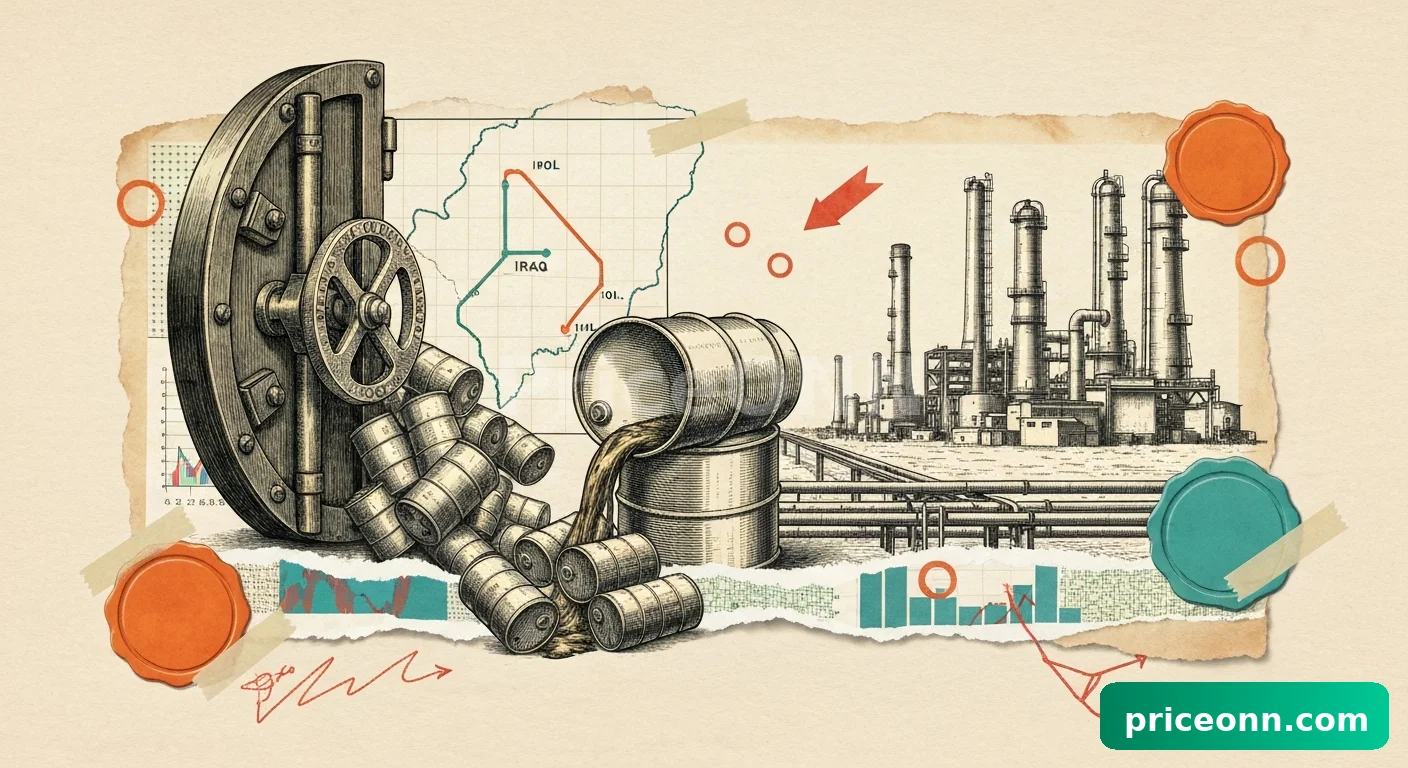
Adding another layer of complexity, regional political dynamics, particularly concerning the Kurdistan Region of Iraq, are also influencing market perceptions. Reports indicate that Iran, along with its allies, has been exerting pressure on Iraq to centralize control and potentially limit Western energy involvement. The closure of the primary transport route for Iraq's Federal Government of Iraq (FGI) oil exports via the Strait of Hormuz, and the reliance on the Iraq Turkey Pipeline (ITP) to the northern port of Ceyhan, highlights the vulnerability of existing export channels. This situation creates an environment where regional instability directly translates into global energy price volatility.
Trader Implications
Traders are advised to closely monitor geopolitical developments in the Middle East and any further statements from key energy-producing nations and consuming blocs. Key levels to watch for crude oil benchmarks like Brent and WTI will be influenced by the perceived duration of the Strait of Hormuz closure and the actual flow of oil from strategic reserves. The market's skepticism regarding the long-term impact of futures market intervention by entities like the U.S. Department of the Treasury suggests that physical supply and demand will remain the dominant price influencers. Traders should also be aware of potential price caps and rationing measures being implemented by various governments, which could create regional demand-side pressures but are unlikely to offset the global supply shock.
Outlook
The immediate outlook for oil prices remains decidedly bullish, contingent on the resolution of the Strait of Hormuz situation and the effectiveness of sustained reserve releases. Should geopolitical tensions escalate or the closure persist, prices could test significantly higher levels. Conversely, any de-escalation or assurances of stable alternative routes could provide some respite. Traders should prepare for continued volatility as the market attempts to reconcile the current supply deficit with efforts to stabilize prices.
Frequently Asked Questions
What is the immediate impact of the Strait of Hormuz closure on oil prices?
The closure has removed approximately 20 million barrels per day of supply, directly contributing to upward price pressure. This has overshadowed the 400 million barrel strategic reserve release, keeping prices elevated due to fundamental supply concerns.
How significant is the IEA's strategic petroleum reserve release?
The release of 400 million barrels is the largest in history, intended to ease prices. However, it represents only about 20 days of the disrupted supply, and logistical constraints limit the daily volume available, thus having a limited immediate impact on market prices.
What should traders watch for in the coming weeks?
Traders should closely monitor geopolitical developments in the Middle East, especially regarding Iran and Iraq's Kurdistan Region, and the actual volume of oil flowing from strategic reserves. Key support and resistance levels for crude oil benchmarks will be critical indicators of market sentiment and potential price direction.
Track markets in real-time
Empower your investment decisions with AI-powered analysis, technical indicators and real-time price data.
Join Our Telegram Channel
Get breaking market news, AI analysis and trading signals delivered instantly to your Telegram.
Join Channel