Global Fuel Prices Are Surging as the Middle East War Hits Consumers
Consumer Pockets Feel the Heat as Oil Prices Spike
A dramatic surge in global oil prices, directly linked to escalating conflict in the Middle East, is sending shockwaves through consumer markets worldwide. From the bustling streets of New York to the industrial heartlands of Europe and the rapidly developing economies of Asia, the cost at the pump is climbing. Retail prices for gasoline and diesel have seen increases ranging from a noticeable 5% to an alarming 80% in specific nations. Notably, the Philippines has experienced a record-breaking 80% jump, underscoring the severity of the global impact.
This sharp rise in fuel expenditures presents a formidable challenge for households already grappling with economic uncertainties. The ripple effect is palpable, forcing many administrations to urgently devise and deploy contingency plans. These interventions frequently involve temporary reductions in domestic sales taxes and duties, alongside potential restrictions or new tariffs on fuel exports, all aimed at mitigating the immediate fallout.
Nations Grapple with Supply Shocks and Economic Fallout
India, a colossal importer of crude oil and heavily reliant on Middle Eastern supplies for roughly half of its needs, has been among the first to enact protective measures. The nation recently moved to safeguard its fuel security and shield its citizens by slashing domestic taxes on both gasoline and diesel. Simultaneously, a levy has been imposed on fuel exports, a dual strategy to manage internal demand and supply. The vulnerability of India's energy imports is amplified by the fact that around 90% of its liquefied petroleum gas (LPG), a critical cooking fuel, transited through the Strait of Hormuz before the recent conflict intensified.
In the Philippines, a key player in the Southeast Asian economy, the oil price shock has necessitated drastic action. The government has declared a national emergency as dwindling crude supplies and soaring pump prices cast a shadow over economic growth projections. Deepali Bhargava, Regional Head of Research for Asia-Pacific at ING, highlighted this precarious position, noting in a recent commentary, "Domestic crude production is negligible, and over 95% of oil imports come from the Persian Gulf, leaving the Philippines exposed to both price swings and supply disruptions." This reliance paints a stark picture of the nation's susceptibility.
Across the Atlantic, the United States is also feeling the pinch. The average price for a gallon of gasoline has climbed by a full dollar in just one month, according to data from AAA. This increase coincides with heightened geopolitical tensions involving Iran and a seasonal uptick in demand driven by the spring break travel period. Patrick De Haan, head of petroleum analysis at GasBuddy, provided a staggering financial perspective, estimating that Americans have collectively spent approximately $8 billion more on gasoline in the past month following the U.S. actions against Iran, a figure projected to exceed $10 billion imminently.
Market Ripple Effects
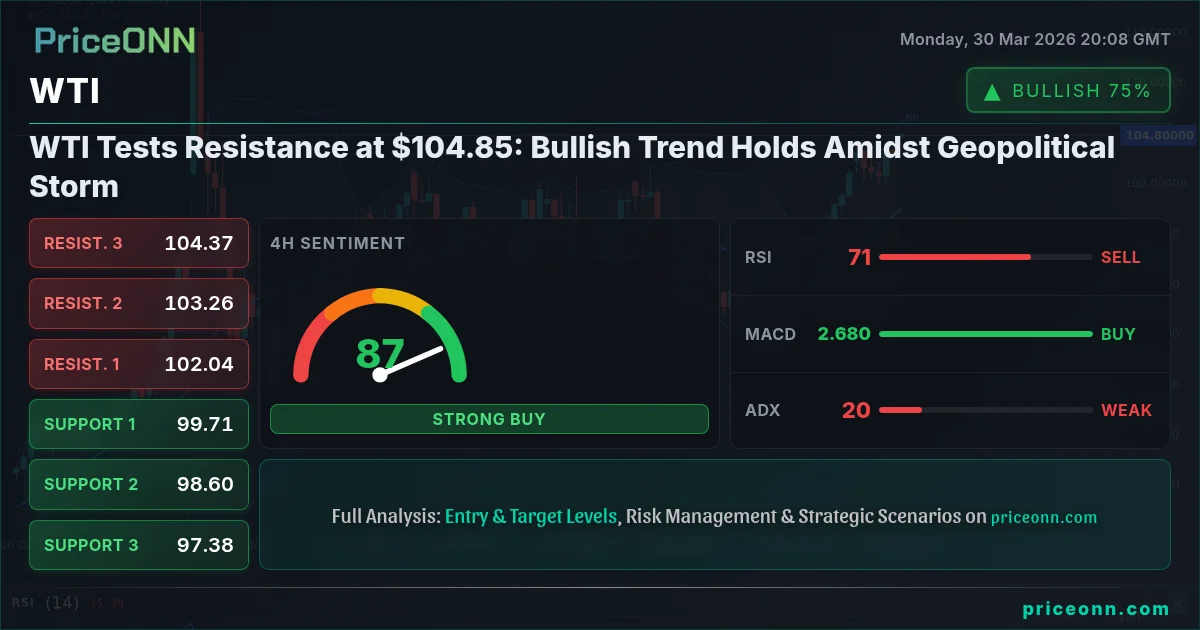
The current geopolitical climate and its direct impact on energy markets create a complex environment for investors and traders. The surge in crude oil prices is not an isolated event; it carries significant implications for broader market sentiment and inflation expectations. Traders will be closely monitoring the price action in crude oil benchmarks like Brent and WTI, as these serve as leading indicators for global energy costs. The immediate upward pressure on fuel prices also translates into increased transportation costs for businesses, potentially squeezing profit margins across various sectors, from logistics to manufacturing.
Furthermore, sustained high energy prices could reignite inflation concerns, prompting central banks to adopt a more hawkish stance or delay anticipated interest rate cuts. This could lead to increased volatility in bond markets, with yields potentially moving higher. The US Dollar Index (DXY) may also see fluctuations as energy prices often influence currency markets, particularly for commodity-exporting nations. Additionally, sectors heavily reliant on consumer spending, such as retail and airlines, might face headwinds if disposable income is increasingly diverted to fuel expenses. Investors should remain vigilant for shifts in consumer behavior and corporate earnings guidance that reflect these elevated energy costs.
Track markets in real-time
Empower your investment decisions with AI-powered analysis, technical indicators and real-time price data.
Join Our Telegram Channel
Get breaking market news, AI analysis and trading signals delivered instantly to your Telegram.
Join Channel