
Gold price: record gold output, record cost per ounce
 PriceONN Editorial Desk
Multi-source verification
PriceONN Editorial Desk
Multi-source verification
Gold Production Hits Unprecedented Levels
The precious metal's extraction from the earth has never been more prolific. Mine output climbed 2% year on year, reaching 966 tonnes in the second quarter. This figure represents an all-time record for a June quarter, surpassing the previous high of 948 tonnes logged a year prior by 2%. The first half of the year also set a new benchmark, with 1,867 tonnes produced, a 3% increase over the 1,808 tonnes recorded in the first half of 2025.
This surge in production, however, is occurring against a backdrop of escalating expenses for the companies involved. Industry data reveals that all-in sustaining costs – a comprehensive measure of production expenses – reached a new peak of $1,785 per ounce in the first quarter. This represents a 5% jump from the previous quarter and a significant 16% increase compared to the same period last year. The World Gold Council attributes this cost inflation to factors such as higher royalty payments and increased corporate overheads.
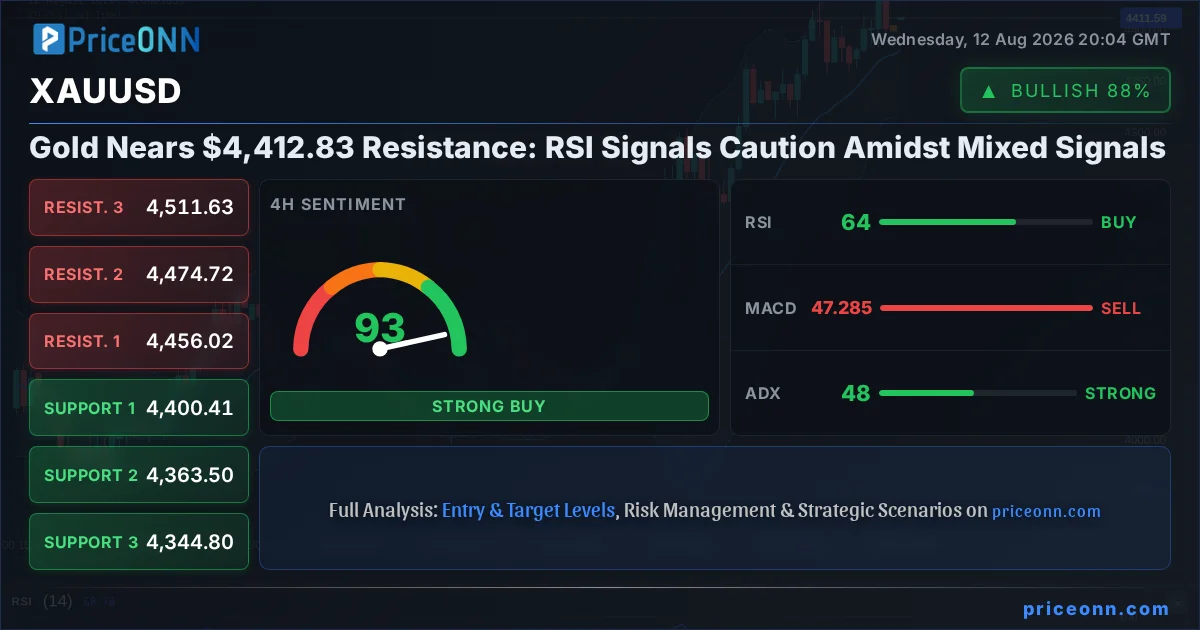
Market Reaction and Underlying Pressures
Despite the record output, the gold market experienced downward pressure on Friday. The Comex continuous contract saw a 1.6% decline, settling around $4,037.86 per ounce by late morning in New York. This pullback followed a rebound the previous day, which was fueled by post-Federal Reserve meeting sentiment. December gold futures, now the most actively traded contract, mirrored this trend, falling 1.5% to $4,099.50.
Silver also succumbed to selling pressure, with September contracts dropping 2.8% to $57.35 per ounce, extending its year-to-date loss to over 19%. These movements underscore the persistent influence of interest rate expectations on non-yielding assets like gold.
The Federal Reserve maintained its benchmark interest rate between 3.50% and 3.75% earlier in the week. Crucially, three hawkish dissents accompanied the decision, signaling a divided outlook within the central bank. With crude oil prices remaining above $90 a barrel and geopolitical tensions in the Middle East fueling inflation concerns, market participants still price in a 63% probability of a rate hike in September. For gold, an asset that offers no yield, such a high probability of further tightening acts as a ceiling on price appreciation.
Even with Friday's retreat, gold is on track to register its first monthly gain since February. However, it remains down 6.5% for the year. This performance is a far cry from the average price of $4,872.90 observed in the second quarter, the period covered by the World Gold Council's latest Gold Demand Trends report.
Reading Between the Lines
The narrative of record production coupled with record costs presents a fascinating dichotomy for gold miners. While producers are extracting more metal than ever, the expense associated with each ounce is also at an all-time high. This suggests that while the sheer volume of gold entering the market is impressive, the profitability per ounce may be facing headwinds if costs continue to outpace price gains.
Producers are not exactly in a dire situation, however. With the average gold price in Q1 hovering around $4,872.90, the implied profit margin was substantial, nearing $3,100 per ounce. The feedback loop where rising gold prices increase royalty take, thereby inflating costs, is a clear indicator of the interconnectedness of market dynamics. Nevertheless, sustained cost inflation could eventually challenge the generous margins seen recently.
The World Gold Council's data highlights that the first-half mine production figure of 1,867 tonnes stands as the highest in the organization's historical series. This record output is a testament to the industry's capacity, but the accompanying rise in all-in sustaining costs to $1,785 per ounce in Q1 is a critical factor for investors to monitor as the year progresses. The WGC also anticipates that rising energy bills, exacerbated by ongoing global conflicts, will likely be reflected in future cost data, potentially pushing expenses even higher.
Track markets in real-time
Empower your investment decisions with AI-powered analysis, technical indicators and real-time price data.
Join Our Telegram Channel
Get breaking market news, AI analysis and trading signals delivered instantly to your Telegram.
Join Channel PriceONN News
Saxo Bank says bullion has to hold $4,360 to keep the rally alive, with headwinds building from oil, yields and the dollar into Wednesday’s inflation print.
PriceONN News
(RTTNews) - Gold prices were up more than 1 percent on Wednesday amid rising bets that the U.S. Federal Reserve will not hike interest rates anytime soon.
PriceONN News
(RTTNews) - Gold was subdued on Tuesday after two consecutive sessions of gains on receding Fed hike bets and reports suggesting that China's central bank stepped up gold purchases in July.
PriceONN News
(RTTNews) - Gold prices held steady on Monday after U.S. employers unexpectedly cut jobs in July and hiring figures for the prior two months were also revised downward, helping ease the risk of an immediate U.S. interest-rate hike.
PriceONN News
An $18 billion July gain hides stock swings of 40% in a month, a $50 billion gap at the top no ranking has seen before, and a spinning revolving door at the bottom.
PriceONN News
Bullion’s two-month high sent producers sharply higher, while junior miners and the TSX Venture posted outsized gains.
PriceONN News
(RTTNews) - Gold climbed above $4,300 an ounce on Friday and was set for its biggest weekly gain since January on hopes of peace in the Middle East, eased inflation concerns and reduced expectations for a Federal Reserve rate hike in September.
PriceONN News
(RTTNews) - Gold prices traded higher for a fourth straight session to hit a seven-week high on Thursday, driven by softer U.S. labor market data released overnight, a weaker dollar and lower Treasury yields.
PriceONN News
(RTTNews) - Gold prices surged 2 percent to hit a one-month high on Wednesday as a sharp fall in oil prices helped ease concerns around inflation and interest rates.
PriceONN News
(RTTNews) - Extending the losses from Friday's session, gold prices have edged lower on Monday as traders assess the plunge in crude oil prices due to the cancellation of planned U.S. strikes on Iran against Iran's refusal to acknowledge any ongoing peace talks with the U.S. and
PriceONN News
(RTTNews) - Gold ticked higher on Monday as the dollar dipped on Iran peace deal hopes and after joint intervention by the United States and Japan to prop up the Japanese yen.
PriceONN News
(RTTNews) - After two consecutive days of gains, gold prices have tumbled on Friday as crude oil prices soared with no end in sight to the U.S.-Iran conflict, leading to expectations of a high interest rate regime in the U.S. in the upcoming months. In addition, traders opted to