
Gold Surges To One-month Peak As Inflation Concerns Ease
 PriceONN Editorial Desk
Multi-source verification
PriceONN Editorial Desk
Multi-source verification
Easing Inflationary Pressures Fuel Gold Rally
The precious metal market saw a notable upswing on Wednesday, with gold prices climbing 2 percent to touch a level not seen in a month. This upward movement coincided with a significant retreat in crude oil values, acting as a catalyst to dial back concerns over persistent inflation and the trajectory of central bank monetary policy. Spot gold contracts registered a 2 percent gain, settling around $4,157.25 per ounce. Concurrently, U.S. gold futures experienced a 1.5 percent rise, trading near $4,216.22.
Oil Market Volatility and Geopolitical Undercurrents
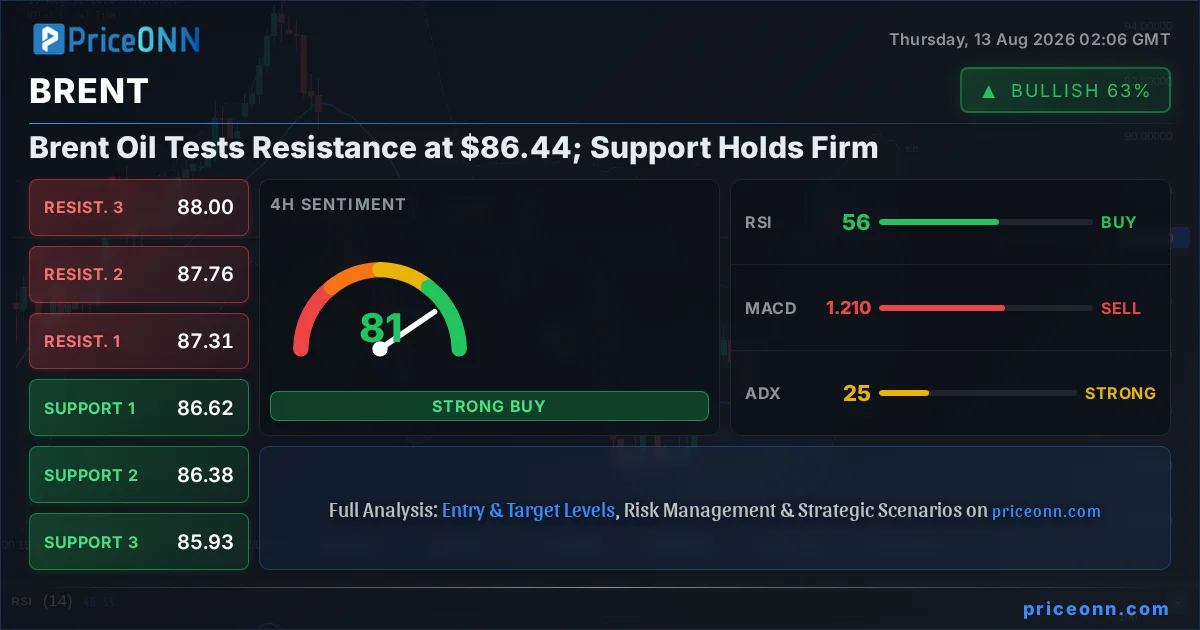
The backdrop for gold's ascent was a volatile oil market. While Brent crude futures held their ground near the $80 per barrel mark, the commodity has shed over 9 percent of its value this week. This substantial weekly decline is largely attributed to growing optimism surrounding a potential diplomatic breakthrough aimed at reopening the Strait of Hormuz, a critical global energy chokepoint. Whispers from the region suggest Iran is contemplating a shift in its stance, potentially allowing European nations to assist in clearing mines from this vital maritime passage. This development, if realized, could significantly reduce geopolitical risks in the Middle East.
Further bolstering hopes for de-escalation, Iranian Foreign Ministry spokesman Esmaeil Baqaei indicated that discussions with Oman concerning the safety of shipping lanes are progressing positively. Simultaneously, reports suggest Saudi Arabia is pursuing quiet diplomatic channels to manage any renewed tensions with Houthi militants. These combined efforts to defuse regional conflicts are directly influencing energy markets.
Interest Rate Expectations and Dollar Weakness
The impact of falling oil prices extended beyond energy commodities, reverberating through global fixed-income markets. With the specter of energy-driven inflation receding, pressure on global bond yields eased. The yield on 10-year U.S. Treasury notes, a key benchmark, dipped to 4.6187 percent, retreating from the previous week's high of 4.747 percent. This shift in yield expectations directly affects currency markets.
The U.S. dollar found itself hovering close to a six-week nadir. Market participants are increasingly adjusting their outlook regarding the Federal Reserve's monetary policy, with a reduced probability now assigned to a September interest rate adjustment. This sentiment was subtly reinforced by comments from Kansas City Fed President Jeff Schmid, who, while acknowledging that current inflation remains elevated, stressed the necessity of continued restrictive policy to guide price increases toward the central bank's 2 percent target. Upcoming U.S. employment figures are anticipated to provide further clarity on the Federal Reserve's strategic direction.
Market Ripple Effects
This confluence of easing inflation concerns, geopolitical de-escalation hopes, and shifting interest rate expectations creates a complex environment for traders. The retreat in oil prices, a significant inflation driver, has lessened the immediate pressure on central banks to maintain aggressive tightening cycles. This has, in turn, weakened the U.S. dollar, making dollar-denominated assets like gold more attractive to international buyers.
Traders are now keenly watching the upcoming U.S. jobs report. Stronger than expected employment data could reignite inflation fears and bolster the case for continued hawkishness from the Federal Reserve, potentially reversing gold's recent gains and strengthening the dollar. Conversely, a weaker jobs report might further cement expectations of a Fed pivot or pause, providing additional tailwinds for gold and other inflation hedges.
The implications extend to other markets. A weaker dollar generally supports commodities priced in the U.S. currency, including industrial metals and agricultural products. Equity markets, particularly growth stocks sensitive to interest rate expectations, may also find support if the Fed signals a less aggressive stance on future rate hikes. However, any renewed geopolitical flare-up in the Middle East could quickly reverse the current trend, sending oil prices and inflation expectations soaring once more, thereby challenging gold's newfound strength.
Track markets in real-time
Empower your investment decisions with AI-powered analysis, technical indicators and real-time price data.
Join Our Telegram Channel
Get breaking market news, AI analysis and trading signals delivered instantly to your Telegram.
Join Channel PriceONN News
(RTTNews) - Gold prices held steady on Monday after U.S. employers unexpectedly cut jobs in July and hiring figures for the prior two months were also revised downward, helping ease the risk of an immediate U.S. interest-rate hike.
PriceONN News
(RTTNews) - Gold prices were up more than 1 percent on Wednesday amid rising bets that the U.S. Federal Reserve will not hike interest rates anytime soon.
PriceONN News
Saxo Bank says bullion has to hold $4,360 to keep the rally alive, with headwinds building from oil, yields and the dollar into Wednesday’s inflation print.
PriceONN News
(RTTNews) - Gold was subdued on Tuesday after two consecutive sessions of gains on receding Fed hike bets and reports suggesting that China's central bank stepped up gold purchases in July.
PriceONN News
Barrick sank as much as 9.7% after analysts judged its $1.95 billion Fourmile deal too cheap, while hedge funds turned their most bullish on gold in six months.
PriceONN News
Negative payrolls reduce September rate-hike odds to 44%, metals reverse after summer's hawkish Fed.
PriceONN News
(RTTNews) - Gold climbed above $4,300 an ounce on Friday and was set for its biggest weekly gain since January on hopes of peace in the Middle East, eased inflation concerns and reduced expectations for a Federal Reserve rate hike in September.
PriceONN News
(RTTNews) - Gold prices traded higher for a fourth straight session to hit a seven-week high on Thursday, driven by softer U.S. labor market data released overnight, a weaker dollar and lower Treasury yields.
PriceONN News
(RTTNews) - Gold prices were largely unchanged on Tuesday as the U.S.-Iran conflict remained at a stalemate and investors looked forward to the release of a series of U.S. labor market reports this week that might provide fresh insights into the economic and rate outlook.
PriceONN News
(RTTNews) - Gold ticked higher on Monday as the dollar dipped on Iran peace deal hopes and after joint intervention by the United States and Japan to prop up the Japanese yen.
PriceONN News
(RTTNews) - After two consecutive days of gains, gold prices have tumbled on Friday as crude oil prices soared with no end in sight to the U.S.-Iran conflict, leading to expectations of a high interest rate regime in the U.S. in the upcoming months. In addition, traders opted to
PriceONN News
All-in costs hit a record $1,785 an ounce in Q1, and the World Gold Council expects the conflict-driven energy bill to show up in the numbers still to come.