
Gold Slips After Two-day Rally
 PriceONN Editorial Desk
Multi-source verification
PriceONN Editorial Desk
Multi-source verification
Gold's Pause Amid Shifting Market Sands
The precious metal experienced a pause in its upward momentum on Tuesday, pulling back slightly after two consecutive sessions of gains. This pullback occurred as investor sentiment shifted, with a noticeable decrease in expectations for further aggressive interest rate hikes from the U.S. Federal Reserve. Adding to the downward pressure were reports indicating that the People's Bank of China significantly ramped up its gold acquisitions during July, a move that typically supports prices but in this instance was overshadowed by other market drivers.
Spot gold prices registered a modest dip of 0.3 percent, settling around $4,375.22 per ounce. Meanwhile, U.S. gold futures showed a slight increase of 0.3 percent, trading at $4,432.15. Traders are now keenly observing geopolitical developments in the Middle East, a region whose instability often provides a safe-haven bid for gold. Simultaneously, anticipation is building for a crucial week of U.S. economic data releases, which are expected to provide further clarity on the Federal Reserve's future monetary policy path.
Geopolitical Tensions and Economic Data on the Horizon
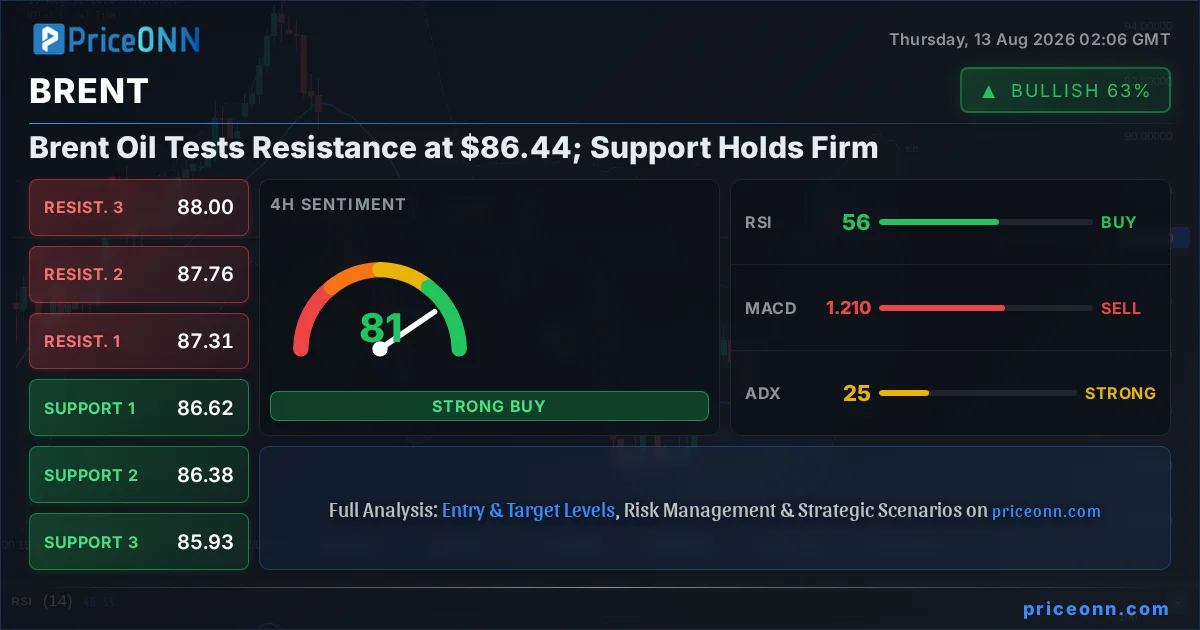
The broader market narrative is currently being shaped by escalating tensions in the Middle East. Brent crude futures surged past the $90 per barrel mark, driven by diminishing hopes for a diplomatic resolution between Washington and Tehran concerning the Strait of Hormuz. This vital maritime route is a critical artery for global energy shipments, and any disruption carries significant economic implications.
Iran has suggested that a bilateral agreement with Oman to establish an alternative shipping corridor through the contested waterway is nearing completion. However, the nation has simultaneously rejected direct talks with the United States until a specific set of conditions are met. This stance is complicated by U.S. President Donald Trump's assertion that the U.S. is engaged in indirect negotiations with Iran and wishes to maintain economic pressure on the country. Further complicating diplomatic efforts, President Trump has reportedly instructed U.S. representatives to firmly incorporate Iran's demands for financial compensation, stemming from past U.S.-Israeli military actions, into any future discussions, potentially hindering efforts to secure the waterway.
Looking ahead, the economic calendar presents a series of high-impact U.S. data points. The Labor Department is slated to release its consumer and producer inflation figures on Wednesday and Thursday, respectively. These reports will be closely followed by July's retail sales data and the University of Michigan's consumer sentiment index on Friday. Coming on the heels of a surprisingly weak U.S. jobs report released last Friday, these upcoming economic indicators are poised to significantly influence the Federal Reserve's considerations regarding interest rates.
Reading Between the Lines
The subdued performance of gold, despite reports of significant central bank buying and ongoing geopolitical risks, highlights a market weighing competing forces. The easing of Federal Reserve rate hike expectations is a clear tailwind for non-yielding assets like gold, as higher rates increase the opportunity cost of holding them. The fact that gold could not sustain its rally suggests that other factors are currently exerting more influence, or that the market has already priced in much of the Fed's anticipated policy restraint.
The escalating situation surrounding the Strait of Hormuz, pushing crude oil prices higher, presents a dual impact. On one hand, rising energy costs can contribute to inflation concerns, potentially bolstering gold's appeal as an inflation hedge. On the other hand, significant spikes in oil prices can also dampen broader economic activity and risk appetite, which could indirectly pressure demand for commodities, including gold, if a severe global slowdown is feared. Traders are therefore in a delicate balancing act, assessing whether the inflation-hedge narrative or the growth-concern narrative will dominate.
The U.S. economic data releases this week are critical. A string of weaker-than-expected inflation and consumer spending figures could solidify the view that the Fed is nearing the end of its tightening cycle, or even prompt discussions about potential rate cuts next year. Conversely, hotter inflation or resilient consumer demand could reignite fears of further rate hikes, putting renewed pressure on gold. The market's reaction to these data points will be telling, particularly in how it reassesses the U.S. dollar's strength and the overall risk sentiment across financial markets.
Market Connections: The developments surrounding gold are intrinsically linked to several other markets. The U.S. Dollar Index (DXY) will be a key barometer; a weaker dollar typically supports gold prices. The ongoing geopolitical tensions and oil price surge directly impact energy commodities like Brent Crude and WTI Crude. Furthermore, the Federal Reserve's interest rate outlook heavily influences bond yields, particularly U.S. Treasury yields, and therefore, the performance of fixed-income markets. Equity markets, especially growth-oriented sectors, are also sensitive to interest rate expectations and geopolitical stability.
Track markets in real-time
Empower your investment decisions with AI-powered analysis, technical indicators and real-time price data.
Join Our Telegram Channel
Get breaking market news, AI analysis and trading signals delivered instantly to your Telegram.
Join Channel PriceONN News
(RTTNews) - Gold prices held steady on Monday after U.S. employers unexpectedly cut jobs in July and hiring figures for the prior two months were also revised downward, helping ease the risk of an immediate U.S. interest-rate hike.
PriceONN News
(RTTNews) - Gold climbed above $4,300 an ounce on Friday and was set for its biggest weekly gain since January on hopes of peace in the Middle East, eased inflation concerns and reduced expectations for a Federal Reserve rate hike in September.
PriceONN News
(RTTNews) - Gold prices were up more than 1 percent on Wednesday amid rising bets that the U.S. Federal Reserve will not hike interest rates anytime soon.
PriceONN News
(RTTNews) - Gold prices traded higher for a fourth straight session to hit a seven-week high on Thursday, driven by softer U.S. labor market data released overnight, a weaker dollar and lower Treasury yields.
PriceONN News
(RTTNews) - Extending the losses from Friday's session, gold prices have edged lower on Monday as traders assess the plunge in crude oil prices due to the cancellation of planned U.S. strikes on Iran against Iran's refusal to acknowledge any ongoing peace talks with the U.S. and
PriceONN News
(RTTNews) - After two consecutive days of gains, gold prices have tumbled on Friday as crude oil prices soared with no end in sight to the U.S.-Iran conflict, leading to expectations of a high interest rate regime in the U.S. in the upcoming months. In addition, traders opted to
PriceONN News
(RTTNews) - Gold prices were sharply lower on Tuesday as traders waited for the Federal Reserve policy decision.
PriceONN News
Saxo Bank says bullion has to hold $4,360 to keep the rally alive, with headwinds building from oil, yields and the dollar into Wednesday’s inflation print.
PriceONN News
An $18 billion July gain hides stock swings of 40% in a month, a $50 billion gap at the top no ranking has seen before, and a spinning revolving door at the bottom.
PriceONN News
Bullion’s two-month high sent producers sharply higher, while junior miners and the TSX Venture posted outsized gains.
PriceONN News
The logistics behind critical minerals is the determining factor on who gets to win in this market.
PriceONN News
Negative payrolls reduce September rate-hike odds to 44%, metals reverse after summer's hawkish Fed.