How Quickly Can Qatar Restart the World’s Largest LNG Export Hub?
LNG Supply Shock from Qatar
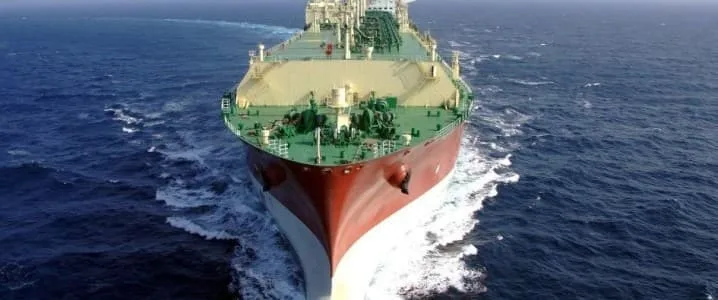
QatarEnergy, the state-owned energy giant, has announced a force majeure on its liquefied natural gas (LNG) exports following operational disruptions at its Ras Laffan industrial facilities. This action effectively absolves the company from its contractual obligations to deliver LNG due to unforeseen circumstances stemming from the escalating conflict in the Middle East. The primary catalyst for this disruption is the near-total cessation of maritime traffic through the Strait of Hormuz, a critical chokepoint for global energy shipments, resulting from the ongoing tensions involving the U.S., Israel, and Iran. Qatar is a pivotal player in the global LNG market, accounting for approximately 20% of worldwide exports. Its primary clientele includes major Asian economies such as China, Japan, India, and South Korea, as well as European nations increasingly reliant on LNG imports.
The timeline for a return to normal production remains uncertain, posing a potential protracted challenge for global gas markets. Initial estimates from U.S. authorities suggested a relatively short duration for military operations, but subsequent statements indicate a willingness to extend the campaign considerably. Similarly, Israeli leadership has acknowledged the operation's indefinite duration. The situation's complexity is compounded by the strategic objectives outlined, including the dismantling of Iran's military capabilities and preventing its nuclear ambitions.
Geopolitical Escalation and Market Impact
The current situation marks a significant escalation compared to previous incidents. Iran's response to recent events has been notably more assertive, with widespread retaliatory actions across the region. This has included the deployment of drones and ballistic missiles targeting both Israel and U.S. allied nations in the Gulf, such as the UAE, Saudi Arabia, Kuwait, Bahrain, Qatar, and Oman. The Islamic Revolutionary Guard Corps (IRGC) has declared the Strait of Hormuz closed, further disrupting crucial oil and gas flows and forcing international shipping to seek alternative, often longer and more expensive, routes.
The Ras Laffan Industrial City, the heart of Qatar's LNG operations, houses 14 LNG trains with a total production capacity of approximately 77 million metric tonnes per year (mtpa). Its port facilities include six LNG berths capable of accommodating the largest LNG carriers. Storage capacity is approximately 1,880,000 cubic meters. The facility's high production rates mean that storage can fill within 4 days if export vessels are unable to depart, necessitating a rapid production shutdown. Restarting the facility to full operational capacity typically requires an additional two weeks.
Market Repercussions and Future Capacity
The gradual nature of the restart process is crucial to prevent thermal shock to the cryogenic equipment, which operates at extremely low temperatures (-160 °C or -260 °F). Rapid temperature changes can cause significant damage to critical components. The shutdown has already sent ripples through global gas markets, intensifying competition between the Atlantic and Pacific basins and driving up European (TTF) and Asian gas prices by nearly 50%.
"Nothing can replace Qatari LNG. If the shutdown is prolonged, it portends a larger gas market shock than in 2022 when Russian turned off pipeline gas to Europe. Gas prices could retest their record highs set in 2022," Saul Kavonic, head of energy research at MST Marquee, told Reuters.
While the United States is the world's largest LNG producer, it possesses limited spare export capacity to compensate for the Qatari disruption. U.S. LNG export plants are operating near full capacity, with most production already committed under long-term contracts. However, significant capacity expansions are underway along the U.S. Gulf Coast, with projects like Plaquemines LNG, Cheniere’s Corpus Christi Stage 3, Golden Pass LNG, Rio Grande LNG, Port Arthur LNG, and the Louisiana LNG project aiming to add over 65 million mtpa of nominal LNG capacity by 2030, representing a 60% increase over current levels.
Track markets in real-time
Empower your investment decisions with AI-powered analysis, technical indicators and real-time price data.
Join Our Telegram Channel
Get breaking market news, AI analysis and trading signals delivered instantly to your Telegram.
Join Channel