India Targets Import Cuts With Historic Oil and Gas Drilling Campaign
Unprecedented Exploration Drive Underway
A colossal investment is on the horizon for India's energy sector. State-owned Oil and Natural Gas Corporation (ONGC) is reportedly gearing up to deploy a staggering sum, estimated between $18 billion and $20 billion, towards an ambitious new phase of oil and gas drilling. This initiative is poised to become the largest drilling campaign in the nation's history, a critical move designed to bolster India's energy security and diminish its substantial dependence on imported fuels.
The substantial capital injection will primarily fund the acquisition of essential drilling equipment, including drillships and submersible rigs. Industry insiders indicate that ONGC is seeking to secure these vital assets through contracts that could extend for as long as five years. This aggressive procurement strategy, detailed in a tender released last month, underscores the urgency driving India's quest for energy self-sufficiency.
New Delhi has been steadfast in its commitment to amplifying domestic hydrocarbon production. This strategic pivot aims to tackle the nation's significant import vulnerability; India currently imports over 80% of its crude oil requirements and approximately half of its natural gas consumption. Reducing this external reliance is not just an economic imperative but a matter of national security, particularly in light of recent global energy market volatility.
Government Mandate for Energy Independence
The push for domestic energy production has strong backing from the highest levels of government. Prime Minister Narendra Modi launched a national deepwater exploration drive last August, articulating a clear vision: "India will harness its deepwater energy resources, strengthening energy self-reliance and reducing dependence on foreign fuel imports." This directive signals a clear intent to tap into the nation's own untapped reserves.
Early successes are already emerging from this intensified exploration. In September, Oil India announced its first-ever natural gas discovery in the Andaman Sea. While the precise yield is still under evaluation, initial assessments suggest a composition of 87% methane. Experts at Rystad Energy have suggested this find could prove to be a pivotal development for India's natural gas self-reliance, highlighting the untapped potential believed to exist in India's eastern offshore regions. ONGC itself has stated its mission to unlock this potential.
The global energy landscape, recently shaken by geopolitical tensions and supply chain disruptions, has amplified the urgency for India's energy strategy. As the world's third-largest crude importer, India remains acutely susceptible to price shocks and supply fluctuations. This vulnerability was a key factor in the nation's decision to readily absorb discounted Russian oil amidst Western sanctions, demonstrating a pragmatic approach to securing energy needs while simultaneously pursuing long-term domestic solutions.
Market Ripple Effects
This massive domestic drilling initiative by ONGC carries significant implications beyond India's borders. For global energy markets, it signals a potential long-term reduction in demand from one of the world's largest importers. This could exert downward pressure on global crude oil prices, particularly if India achieves substantial increases in its domestic output. Traders will be closely watching the progress of ONGC's drilling campaigns and the success rate of new discoveries.
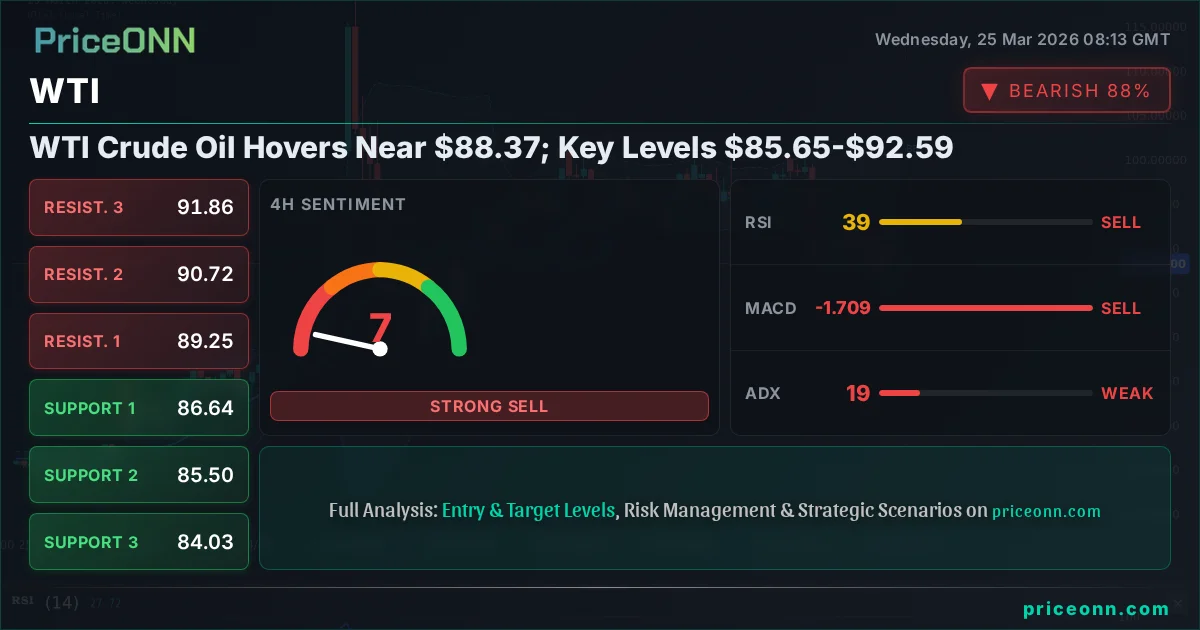
The immediate impact will be felt by companies involved in oilfield services, rig manufacturing, and exploration technology. The multi-billion dollar tender for drillships and submersible rigs represents a significant opportunity for global suppliers. Furthermore, the increased focus on domestic production could influence the trading dynamics of key energy benchmarks like Brent Crude and WTI Crude, potentially leading to more localized price discovery within Asian markets.
From a currency perspective, a successful reduction in India's import bill could offer support to the Indian Rupee (INR) over the medium to long term, as demand for foreign currency to pay for oil imports decreases. Conversely, it might reduce demand for the US Dollar as a primary currency for oil transactions. Investors should also monitor the performance of energy-related stocks, both within India and globally, looking for companies positioned to benefit from this accelerated exploration and production push.
Trader Takeaways
India's ambitious $18-20 billion drilling campaign is a strategic move aimed at significantly curbing its heavy reliance on imported oil and gas. The sheer scale of this undertaking, touted as the largest ever, suggests a determined effort to tap into domestic reserves and enhance energy security. This development is not merely a national play; it has the potential to reshape global energy dynamics and influence key financial markets.
For traders, several factors warrant close attention. Firstly, the success of ONGC's exploration efforts will be paramount. A substantial increase in domestic production could lead to a tangible decrease in India's import volumes, potentially softening global oil prices. Keep a close eye on the success rate of new wells and the overall output figures emerging from these campaigns.
Secondly, the demand for drilling services and equipment will surge. Companies specializing in rig leasing, offshore exploration, and related technologies stand to benefit. Monitor the tender outcomes and the order books of key service providers. This could translate into opportunities in related equities.
Finally, the geopolitical backdrop remains a critical influencer. While India pursues self-sufficiency, global energy supply remains sensitive to international conflicts and sanctions. The interplay between India's domestic push and global supply disruptions will create volatility. Traders should consider the impact on correlated assets such as the US Dollar Index (DXY), as shifts in oil import costs can influence the dollar's strength, and on emerging market currencies more broadly. Monitoring inflation expectations in India will also be key, as domestic production could eventually ease cost-push inflationary pressures.
Track markets in real-time
Empower your investment decisions with AI-powered analysis, technical indicators and real-time price data.
Join Our Telegram Channel
Get breaking market news, AI analysis and trading signals delivered instantly to your Telegram.
Join Channel