LNG Shipping Rates Explode 650% Amid Middle East Tensions: What It Means for Traders
LNG Shipping Rates Skyrocket Amid Middle East Unrest
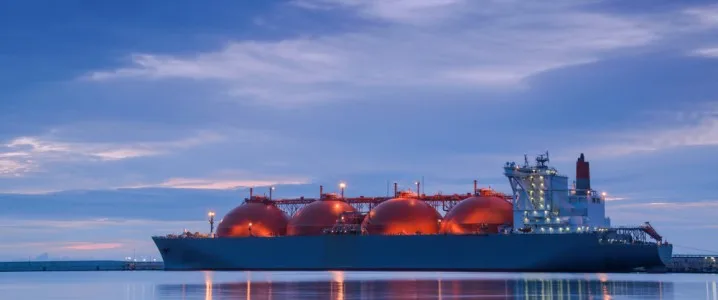
The LNG shipping market is experiencing unprecedented volatility as geopolitical tensions in the Middle East disrupt supply chains. Charter rates for modern LNG carriers have surged dramatically, jumping from approximately $40,000 last week to around $300,000 per day. This 650% increase reflects a frantic scramble by traders to secure vessels amid escalating regional conflict and uncertainty surrounding key LNG production and transport routes.
According to Fearnleys’ latest weekly LNG report, daily spot charter rates for 174,000-cubic-meter LNG carriers on the U.S. Gulf-Europe route have reached approximately $300,000 per day, a staggering $260,000 increase compared to the previous week. Similarly, rates on the crucial U.S. Gulf-Asia route, serving Japan, South Korea, Taiwan, and China, have also soared to $300,000 per day from $42,000 on February 25. The Australia-to-Asia route has seen a comparable increase, reaching roughly $255,000 per day.
Impact of Supply Disruption
The primary driver behind this dramatic rate surge is the escalating regional conflict involving Iran, which has begun to significantly disrupt global LNG trade flows. Qatar, a major LNG producer, reportedly halted production earlier this week and declared force majeure for some buyers. Tanker traffic through the Strait of Hormuz, a critical chokepoint for LNG shipments, has effectively stalled due to heightened security concerns. The Strait is a vital artery for global energy trade, and any disruption there has immediate and far-reaching consequences.
Qatar and the United Arab Emirates collectively account for approximately 20% of global LNG supply. This makes the current disruption immediately significant for global gas markets. Traders are bracing for potentially longer shipping routes and tighter vessel availability, anticipating that cargoes normally sourced from the Gulf may now need to be transported from the United States, Australia, or West Africa. This shift increases voyage lengths and further strains vessel availability, exacerbating the upward pressure on shipping rates.
Implications for Traders and Investors
The surge in LNG shipping rates has significant implications for traders and investors:
- Increased Costs: Higher shipping costs will translate into higher LNG prices for consumers, particularly in Asia and Europe.
- Volatility: Expect continued volatility in LNG prices as the market reacts to geopolitical developments and supply disruptions.
- Trading Opportunities: Savvy traders can capitalize on price discrepancies between different regions by arbitraging LNG cargoes.
- Investment in Shipping: Companies involved in LNG shipping and infrastructure may see increased demand and profitability.
Investors should closely monitor developments in the Middle East and assess the potential impact on global LNG supply and demand. The current situation underscores the importance of diversification and risk management in energy trading and investment strategies.
The spike in LNG shipping rates serves as a stark reminder of the interconnectedness of global energy markets and the vulnerability to geopolitical events. As tensions in the Middle East persist, the LNG market is likely to remain highly volatile, presenting both challenges and opportunities for traders and investors.
Track markets in real-time
Empower your investment decisions with AI-powered analysis, technical indicators and real-time price data.
Join Our Telegram Channel
Get breaking market news, AI analysis and trading signals delivered instantly to your Telegram.
Join Channel