Middle East conflict jolts energy and metals markets
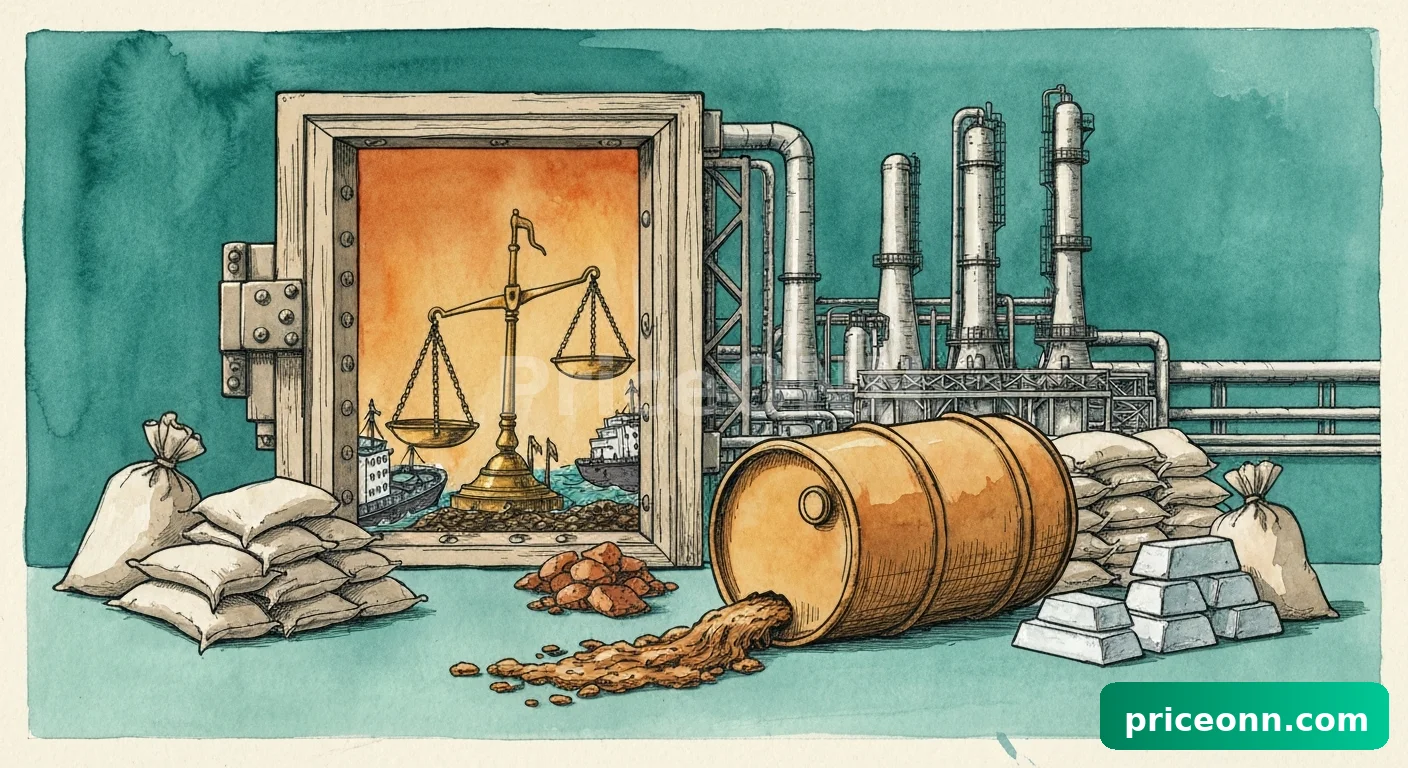
Conflict Fuels Commodity Price Volatility
The ongoing conflict involving Iran and the US-Israel alliance has sent ripples across global commodity markets, sparking supply concerns and price instability. Industry observers point to a tightening of supply in the energy sector, the chemical industry, and several key metals as the primary drivers. The initial market reactions appear to be directly proportional to each commodity's exposure to Middle Eastern supply lines, with crude oil and fertilizers exhibiting the most immediate sensitivity.
Crude oil markets are facing a potentially seismic shift. One energy analyst suggested the current situation represents the most significant disruption to oil supplies in decades. Prices briefly flirted with $120 per barrel before settling back into the $90 range. However, some analysts believe the market may be underestimating the true extent of the supply risk.
Even a swift resolution to the conflict may not fully restore the previous equilibrium. Expectations of an oil oversupply have evaporated, replaced by concerns about dwindling global inventories. The Strait of Hormuz, a critical artery for oil tankers, has seen a dramatic reduction in traffic, plummeting from approximately 80 ships daily to a mere trickle. Storage limitations and refinery shutdowns are compounding the pressure on petroleum supply chains.
"The longer this conflict persists, the more constricted the market will become," one analyst warned, emphasizing that the risks to oil prices are tilted firmly to the upside as long as broader regional disruptions remain a threat.
Chemical and Fertilizer Markets Feel the Squeeze
Chemical markets are also bracing for impact as Middle Eastern supply lines face constraints. The region accounts for roughly 15% of global polyethylene production. Disruptions could push industry utilization rates above 90%, potentially straining capacity limits. This sudden supply squeeze has already triggered price hikes in both the United States and Europe, with polyethylene producers announcing consecutive price increases as the industry transitions from a state of oversupply to one of scarcity.
This shift could significantly boost profit margins for major producers such as Dow, Lyondell, and Westlake. Elevated prices for sulfur and other feedstocks may also benefit titanium dioxide producers, including Tronox and Chemours.
Fertilizer markets are experiencing similar pressures. Nitrogen prices have jumped approximately 30% since the outbreak of hostilities, reflecting the Middle East's pivotal role in global fertilizer exports. Countries in the region account for almost half of global urea exports, while Russia and Middle Eastern producers dominate nitrogen supply. Rising European gas prices and disruptions to Middle Eastern output have expanded the cost advantage for North American fertilizer producers, especially companies such as CF Industries and Nutrien. While potash markets remain relatively stable, sulfur shortages could eventually drive phosphate prices higher as input costs climb.
Metals Respond to Geopolitical Uncertainty
Metals markets have reacted in a more nuanced manner, with performance diverging depending on supply exposure and macroeconomic headwinds. Aluminum has outperformed, supported by the fact that roughly 9% of global supply originates from the Middle East, and as much as 5 million tonnes of the region's production may already be at risk. Iron ore prices have also found some support due to the region's role in pellet supply, while thermal coal has risen in tandem with higher natural gas prices.
In contrast, metals such as copper and nickel have lagged, weighed down by broader risk-off sentiment linked to inflation concerns and a strengthening US dollar. The conflict could ultimately reinforce longer-term trends favoring electrification and metals demand. Rising energy security concerns may accelerate global efforts to reduce dependence on fossil fuels while boosting strategic stockpiling of key industrial metals.
Battery metals face a more complex outlook. Lithium production is less immediately exposed to higher sulfur costs, but prolonged supply disruptions could affect refining activity in China, the world's largest lithium processor. Nickel production may face greater risk because the metal's extraction is highly sulfur intensive, particularly in Indonesia where high-pressure acid leach operations rely heavily on sulfuric acid. Beyond battery metals, the conflict could increase demand for critical minerals tied to defence supply chains. Modern warfare consumes large volumes of metals used in drones, missiles, and other advanced weapons systems, potentially boosting demand for materials such as tungsten, rare earth elements, and antimony.
Market Ripple Effects
The current situation underscores the interconnectedness of global commodity markets and their vulnerability to geopolitical shocks. The energy sector, particularly crude oil, is exhibiting the most immediate and pronounced reactions, potentially fueling inflationary pressures and impacting transportation costs. Investors should closely monitor developments in the Strait of Hormuz, as any further disruptions to tanker traffic could trigger a significant spike in oil prices. Also, keep an eye on the USD/CAD pair, as the Canadian dollar often moves in tandem with oil prices. The conflict's impact on fertilizer markets could have implications for the agricultural sector, potentially leading to higher food prices. Companies like CF Industries and Nutrien, which have a strong presence in North America, could benefit from these dynamics. The metals market presents a mixed bag. Aluminum is likely to remain supported by supply concerns, while the outlook for copper and nickel depends on broader macroeconomic conditions and risk appetite. Investors might consider diversifying their metals exposure to mitigate risk.
Track markets in real-time
Empower your investment decisions with AI-powered analysis, technical indicators and real-time price data.
Join Our Telegram Channel
Get breaking market news, AI analysis and trading signals delivered instantly to your Telegram.
Join Channel