
Middle East Conflict Sends Oil Prices Surging Past $100, UN Warns of Fossil Fuel Dangers

Brent crude has surged above $103 per barrel and West Texas Intermediate (WTI) is hovering near $99 as a weekend of heightened geopolitical conflict in the Middle East intensifies concerns over global oil supply.
Market Context
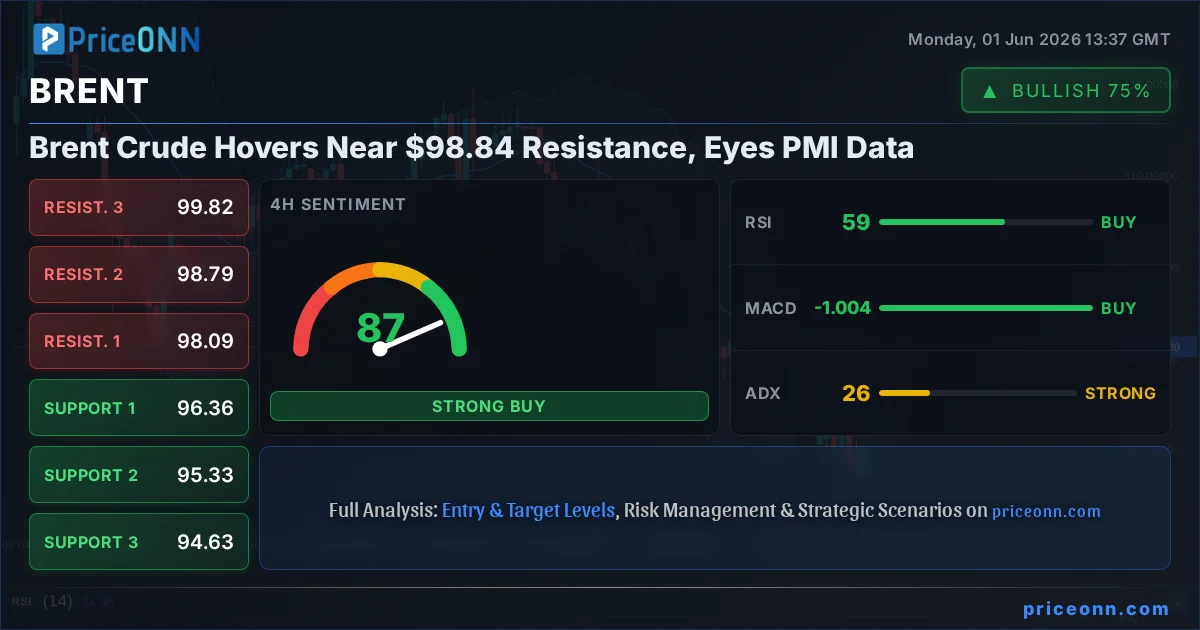
Early Monday Asian trade saw significant volatility in oil markets. Brent crude climbed 0.41% to $103.60, while WTI dipped slightly by 0.53% to $98.19 after an initial surge. This price action follows a series of escalations, including U.S. strikes on Iranian oil export facilities, drone attacks halting loadings at the UAE's Port of Fujairah, and missile strikes near diplomatic and military installations across Iraq and Kuwait. Saudi Arabia reported intercepting numerous drones, underscoring the regional instability impacting critical energy infrastructure and shipping lanes.
Analysis & Drivers
The primary driver behind the current oil price surge is the escalating conflict in the Middle East, particularly the threats to the Strait of Hormuz, a vital chokepoint for global oil transit. The recent attacks on energy infrastructure, including drone strikes on loading facilities and missile incidents near major airports and bases, have created significant supply disruption fears. This geopolitical shock has led to a sharp increase in crude prices, with benchmark crude prices reportedly surging by approximately 50% in two weeks, breaching the $100 per barrel mark. Furthermore, the United Nations has weighed in, with the UN climate secretary stating that reliance on fossil fuels is actively undermining national security and sovereignty. The argument highlights the inherent vulnerability of energy sources dependent on specific, often contested, shipping routes, contrasting them with the stability offered by renewables.
Trader Implications
Traders should brace for continued volatility as the situation in the Middle East remains fluid. Key levels to watch include the recent highs for Brent and WTI. The potential for further supply disruptions from the Strait of Hormuz or direct attacks on production facilities poses a significant upside risk to prices. Conversely, any de-escalation or successful diplomatic efforts could lead to a sharp correction. Investors are also considering the strategic release of oil reserves; Japan has begun releasing approximately 80 million barrels from its state and private stocks to mitigate supply threats. This move indicates the seriousness with which Asian importers are viewing the supply risk. The narrative is shifting, with some analysts suggesting that the prolonged reliance on fossil fuels, as highlighted by the UN, could accelerate the long-term transition to alternative energy sources, though immediate price action remains dictated by geopolitical events.
Outlook
The immediate outlook for oil prices remains heavily dependent on the geopolitical developments in the Middle East. Should tensions continue to rise and supply routes be further compromised, prices could see additional upward pressure. However, the broader discussion around energy security and the vulnerabilities exposed by fossil fuel dependence, as articulated by the UN, suggests a potential long-term shift in energy policy and investment. Traders will be watching for any signs of de-escalation, diplomatic breakthroughs, or further military actions that could dictate the next significant price move.
Frequently Asked Questions
What is the current price of Brent crude amid rising Middle East tensions?
As of early Asian trade on Monday, Brent crude has risen to approximately $103.60 per barrel due to escalating geopolitical conflict and concerns over oil supply disruptions.
How has the UN commented on the current energy crisis?
The UN climate secretary stated that reliance on fossil fuels is "ripping away national security and sovereignty," highlighting the inherent instability and vulnerability of oil and gas compared to renewable energy sources.
What are the key risks for oil traders moving forward?
Key risks include further supply disruptions from the Strait of Hormuz, additional attacks on energy infrastructure, and potential retaliatory actions. Conversely, any signs of de-escalation could trigger a price correction. Traders should monitor geopolitical developments and key price support/resistance levels closely.
Track markets in real-time
Empower your investment decisions with AI-powered analysis, technical indicators and real-time price data.
Join Our Telegram Channel
Get breaking market news, AI analysis and trading signals delivered instantly to your Telegram.
Join Channel PriceONN News
Crude oil prices experienced a significant drop, with WTI futures falling over 1.8% to $87.25, as optimism grew for a U.S.-Iran deal potentially reopening the Strait of Hormuz.
PriceONN News
(RTTNews) - Crude oil prices have tumbled on Friday as expectations of the U.S. and Iran signing a Memorandum of Understanding run high. The MoU would allow for immediate reopening of the Strait of Hormuz and pave the way for the resumption of oil and energy trade.
PriceONN News
Crude oil futures experienced a dramatic intraday reversal on Thursday, soaring overnight on geopolitical fears only to pull back significantly as reports of a potential diplomatic understanding between the U.S. and Iran emerged.
PriceONN News
Crude oil futures experienced a dramatic intraday reversal, soaring to $92.52 before pulling back significantly on Thursday. The volatile session was driven by shifting geopolitical narratives and U.S. inventory data.
PriceONN News
(RTTNews) - Crude oil futures skyrocketed overnight but have shown a significant pullback over the course of the trading day on Thursday.
PriceONN News
Global oil prices are treading water after a significant 5% slump, as market sentiment grapples with cautious optimism over Middle East de-escalation efforts versus lingering geopolitical uncertainties. Brent crude hovers near $104.72 and WTI near $98.07.
PriceONN News
The Iran war suddenly turned what had started as a year of oversupply in global oil and LNG markets into the worst oil and gas supply disruption in history. Three months after the U.S.-Israeli strikes on Iran began on February 28, the world has already lost 1 billion barrels of crude oil supply, oil and gas prices have found a new, much higher floor, and whipsaw with violent volatility nearly every day, trade routes have shifted, and tanker rates have spiked. Actual supply shortages are...
PriceONN News
Crude oil prices experienced a significant downturn as market sentiment shifted towards optimism about a potential US-Iran Memorandum of Understanding that could reopen the Strait of Hormuz. WTI futures fell nearly 2% on the news.
PriceONN News
Brent crude prices surged towards the mid-$90s amid fears of supply disruptions from Middle East tensions, only to pare gains later as whispers of a potential US-Iran diplomatic understanding emerged.
PriceONN News
Crude oil futures experienced a dramatic reversal, soaring overnight to $92.52 before plummeting nearly 6% to $89 a barrel. This volatility was driven by escalating US-Iran tensions followed by reports of a potential preliminary diplomatic understanding.
PriceONN News
The market’s faith in an imminent US-Iran peace breakthrough has clearly weakened today - but it has not disappeared yet. Oil prices jumped again in after fresh military escalation around the Strait of Hormuz reignited fears of prolonged supply disruptions across the Gulf. Brent crude pushed back toward the mid-$90s after new U.S. strikes inside […] The post Brent Oil Holding Below $100 Suggests Markets Still See Room for a US-Iran Deal appeared first on ActionForex.
PriceONN News
(RTTNews) - Extending the losses from yesterday's session, crude oil prices have gone into freefall on Wednesday as investor expectations on a potential U.S.-Iran agreement continue to rise despite the U.S. refusing to ease its demands.