RBNZ’s Breman says will see higher inflation over the near term, some growth impact
Inflationary Pressures Mount in Aotearoa
The head of New Zealand's monetary authority has indicated that consumers should brace for a pickup in price increases over the coming months. This expected escalation in inflation is primarily attributed to disruptions in global energy markets, which are sending ripples through the domestic economy. The central bank chief also hinted at a watchful stance regarding the broader economic growth picture, suggesting that the fight against rising prices might come with some cost to expansionary momentum.
This acknowledgment comes at a critical juncture for policymakers aiming to balance price stability with economic vitality. The Reserve Bank of New Zealand (RBNZ) operates with a mandate to keep inflation within a 1% to 3% annual range, a target monitored through the Consumer Price Index (CPI). Maintaining this equilibrium is the core responsibility of the RBNZ's Monetary Policy Committee (MPC), which convenes to set the Official Cash Rate (OCR). When inflation breaches the upper limit of the target band, the MPC typically resorts to increasing the OCR. This measure makes borrowing more expensive for both individuals and corporations, thereby acting as a brake on economic activity and aiming to cool inflationary pressures.
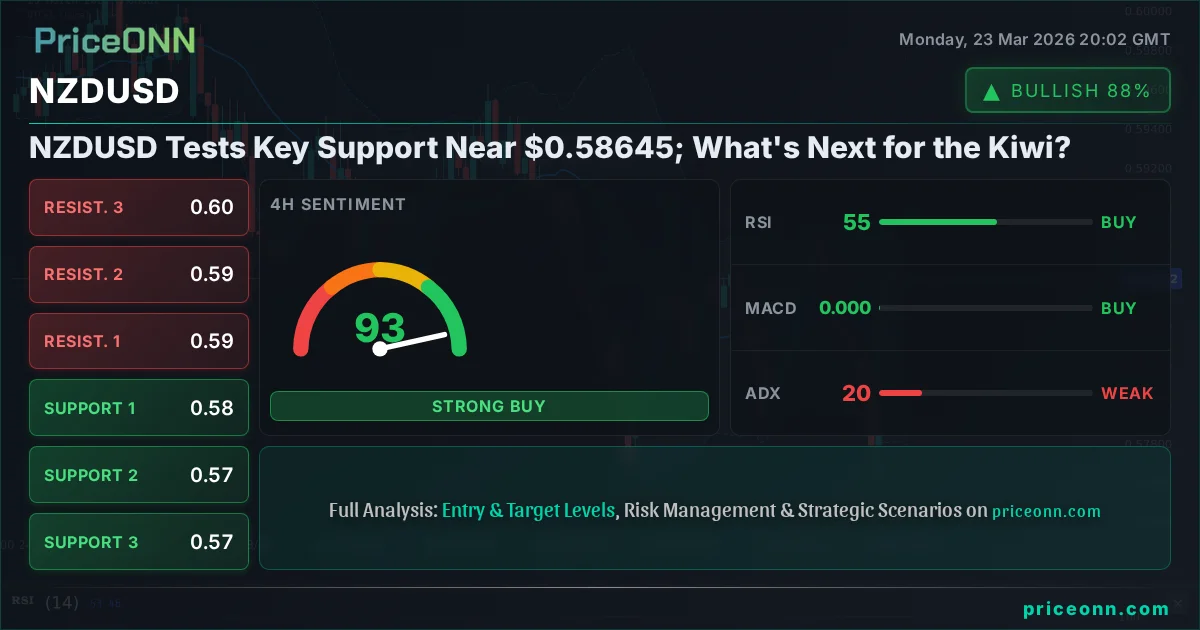
The interplay between interest rates and the national currency, the New Zealand Dollar (NZD), is a key consideration. Higher interest rates generally enhance the attractiveness of holding NZD assets due to potentially higher investment yields, often leading to currency appreciation. Conversely, a reduction in interest rates can exert downward pressure on the currency.
Employment's Dual Role in Price Stability
Beyond just price levels, the RBNZ also places significant emphasis on the labor market. The concept of “maximum sustainable employment” is central to its operational framework. This is defined not as zero unemployment, but as the highest level of job utilization that can be maintained long-term without triggering an unsustainable acceleration in inflation. The bank explains this delicate balance: “When employment is at its maximum sustainable level, there will be low and stable inflation. However, if employment is above the maximum sustainable level for too long, it will eventually cause prices to rise more and more quickly, requiring the MPC to raise interest rates to keep inflation under control.”
In extraordinary circumstances, the RBNZ possesses a more potent, albeit less frequently used, tool: Quantitative Easing (QE). This unconventional policy involves the central bank injecting liquidity into the financial system by purchasing assets, typically government or corporate debt, from financial institutions. The objective is to boost the money supply and stimulate economic activity when traditional interest rate adjustments prove insufficient. Historically, QE has often been associated with a weakening of the domestic currency, as seen with the NZD during its past application, notably during the COVID-19 pandemic.
Market Ripple Effects
The central bank's outlook on inflation and growth carries significant weight for financial markets. An anticipated rise in inflation, coupled with a cautious tone on growth, could influence the RBNZ’s future monetary policy decisions. Traders will be closely scrutinizing any hints about the OCR trajectory.
This development has implications that stretch beyond New Zealand's borders. The US Dollar Index (DXY) might see some influence as global inflation expectations shift. If the RBNZ signals a more hawkish stance to combat inflation, it could support the NZD against other majors. However, concerns about growth could temper this effect. Furthermore, commodity prices, particularly energy, are a direct driver of the inflation outlook and thus warrant close observation. Equity markets, especially those sensitive to interest rate expectations and consumer spending, will also be a key area to monitor for potential shifts in sentiment.
Track markets in real-time
Empower your investment decisions with AI-powered analysis, technical indicators and real-time price data.
Join Our Telegram Channel
Get breaking market news, AI analysis and trading signals delivered instantly to your Telegram.
Join Channel