US Dollar Index reverses sharply on Iran de-escalation hopes
Market Volatility Fueled by Shifting Geopolitical Winds
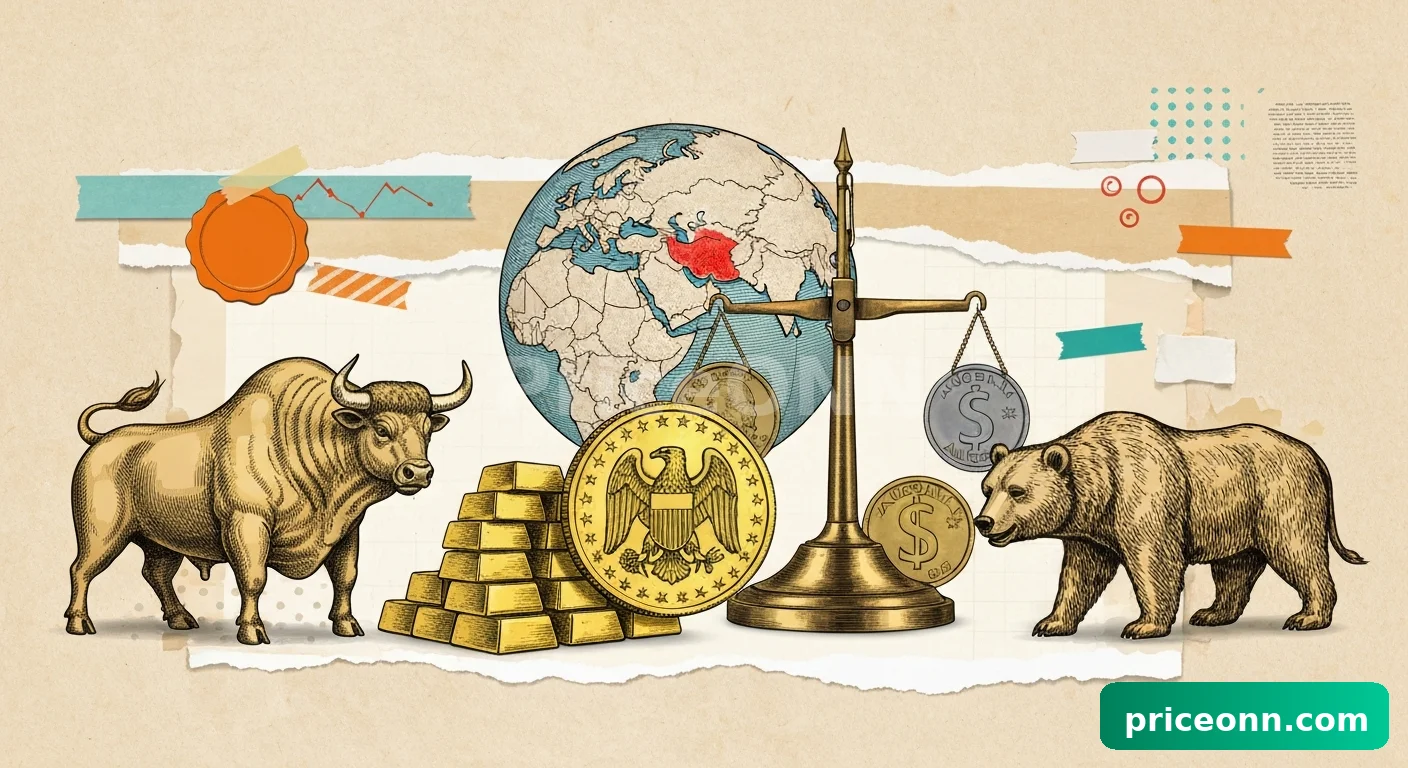
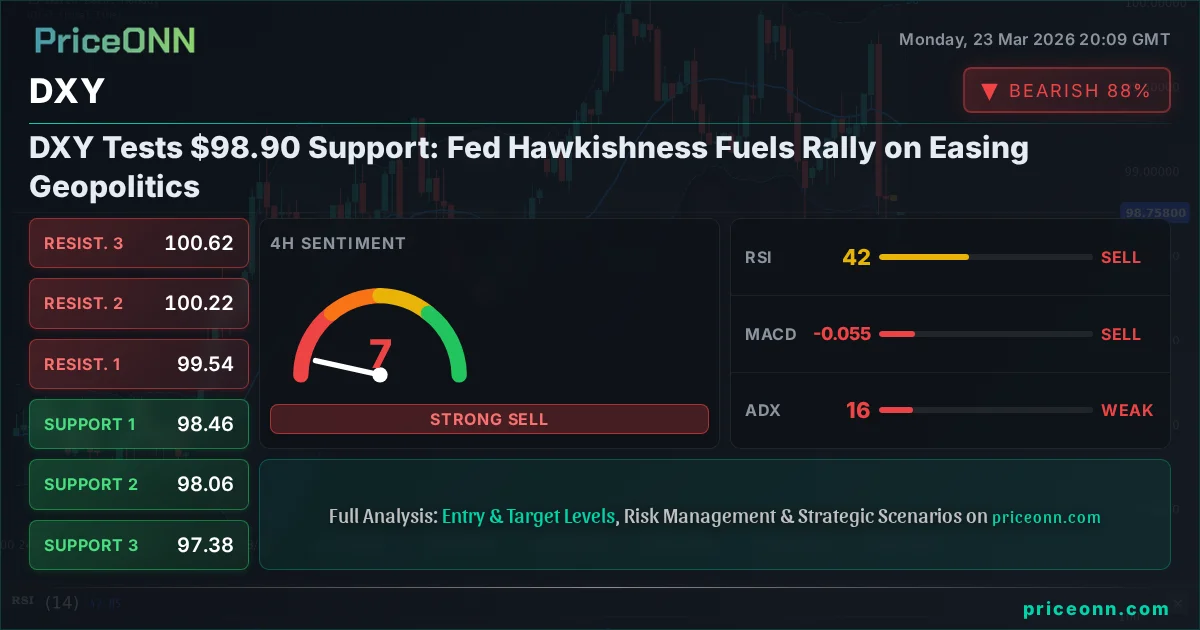
A sudden wave of optimism surrounding potential de-escalation in the Middle East sent shockwaves through currency markets on Monday. This shift in sentiment dramatically altered the trajectory of the US Dollar Index (DXY). Early trading saw the index climb, briefly breaching the 100.00 mark and reaching an intraday high of approximately 100.15. This initial surge was driven by traditional safe-haven flows, a common reaction when geopolitical tensions rise.
However, the narrative quickly flipped. As news and expectations pointed towards a cooling of immediate conflict concerns, investors rapidly unwound their dollar positions. The safe-haven premium evaporated, leading to a sharp and significant sell-off. By the close of trading, the DXY had reversed course completely, settling near 99.12, marking a daily decline of roughly 0.5%. This dramatic intraday swing highlights the market's sensitivity to geopolitical developments and its rapid recalibration when perceived risks diminish.
Understanding the Dollar's Underpinnings
The US Dollar, a titan in global finance, serves not only as the official currency of the United States but also as a de facto standard in numerous other nations. Its dominance is staggering; in 2022, it accounted for over 88% of all foreign exchange transactions, representing an average daily turnover of a colossal $6.6 trillion. This unparalleled liquidity underscores its central role in international trade and investment.
The dollar's ascent to global reserve currency status followed World War II, supplanting the British Pound. Historically tethered to gold, its value underwent a fundamental shift in 1971 with the dismantling of the Bretton Woods system's gold standard. Today, the primary architect of the dollar's value is the monetary policy set by the Federal Reserve (Fed). The Fed operates under a dual mandate: maintaining price stability, typically targeting inflation around 2%, and promoting maximum employment.
Interest rate adjustments are the Fed's principal mechanism for achieving these objectives. When inflation accelerates beyond the 2% target, the Fed typically hikes interest rates, bolstering the dollar's strength. Conversely, if inflation falters or unemployment rises significantly, the central bank may opt to lower rates, exerting downward pressure on the greenback. In more severe economic circumstances, the Fed possesses tools like quantitative easing (QE) and quantitative tightening (QT).
Quantitative easing involves the Fed injecting liquidity into the financial system by purchasing assets, primarily U.S. government bonds, from financial institutions. This non-standard measure is employed when credit markets freeze and interbank lending seizes up, often as a last resort during crises like the 2008 Great Financial Crisis. Generally, QE tends to weaken the dollar. Quantitative tightening represents the inverse, where the Fed reduces its balance sheet by ceasing bond purchases and allowing existing holdings to mature without reinvestment, a process typically supportive of dollar strength.
Market Ripple Effects
Monday's sharp reversal in the US Dollar Index offers critical insights for traders and investors navigating the current economic climate. The swift unwinding of safe-haven demand suggests that while geopolitical events can create temporary volatility, underlying market drivers remain firmly in focus. The rapid decline from the intraday high indicates that the dollar's strength is still heavily influenced by global risk appetite, but perhaps less so by immediate regional conflicts if a broader escalation is averted.
This dynamic is particularly relevant for several key markets. Firstly, the Euro (EUR/USD), which often moves inversely to the DXY, likely saw a significant boost from the dollar's retreat. Traders will be watching to see if this allows EUR/USD to break key resistance levels. Secondly, Gold (XAU/USD), another traditional safe haven, probably experienced downward pressure as dollar demand faded, presenting potential shorting opportunities if the trend continues. Finally, emerging market currencies and equities, which often suffer when the dollar strengthens due to increased debt servicing costs and capital outflows, might find some relief. Investors should monitor the Fed's upcoming statements closely; any hint of a continued hawkish stance despite easing geopolitical fears could provide renewed support for the dollar, while any dovish signals could accelerate its decline.
Track markets in real-time
Empower your investment decisions with AI-powered analysis, technical indicators and real-time price data.
Join Our Telegram Channel
Get breaking market news, AI analysis and trading signals delivered instantly to your Telegram.
Join Channel