
Is the US Dollar's Rally Over as Iran Tensions Ease?
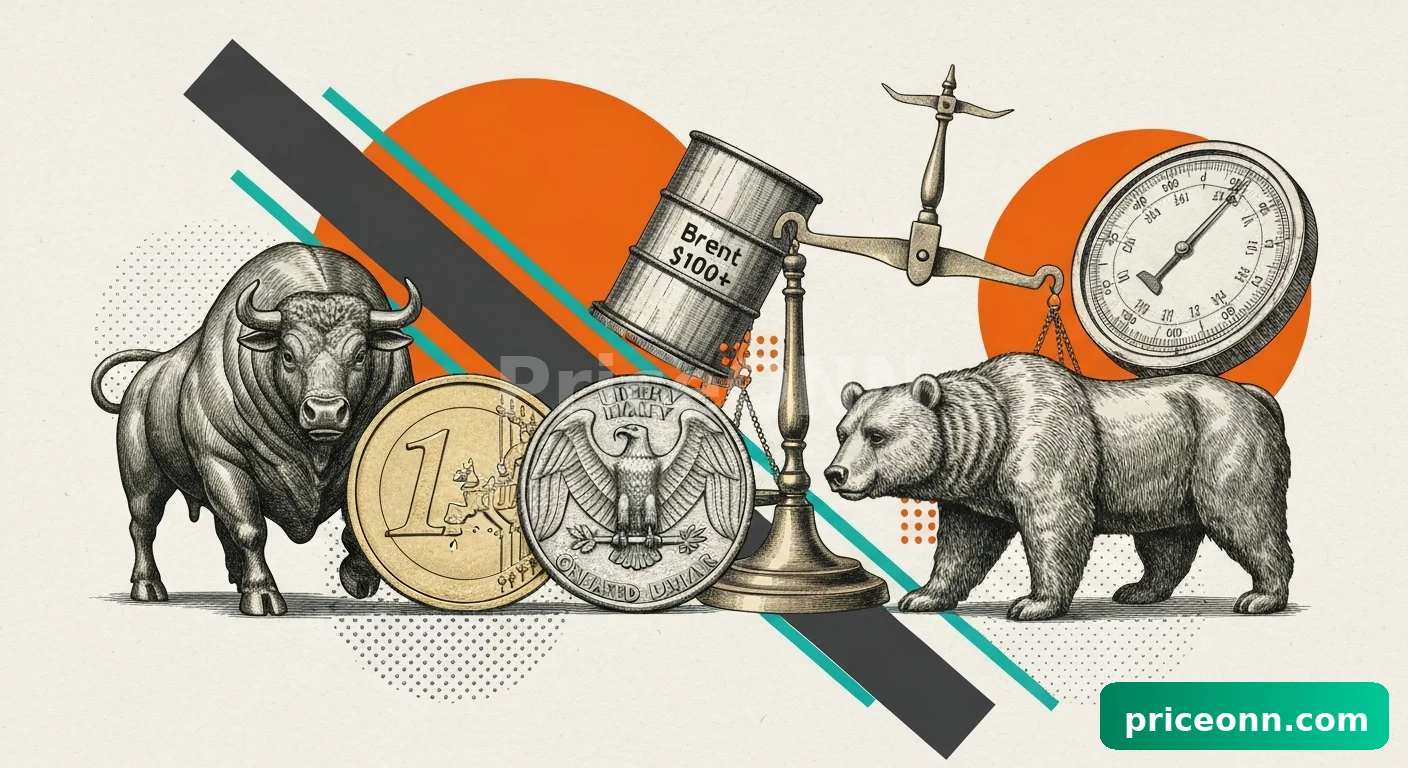
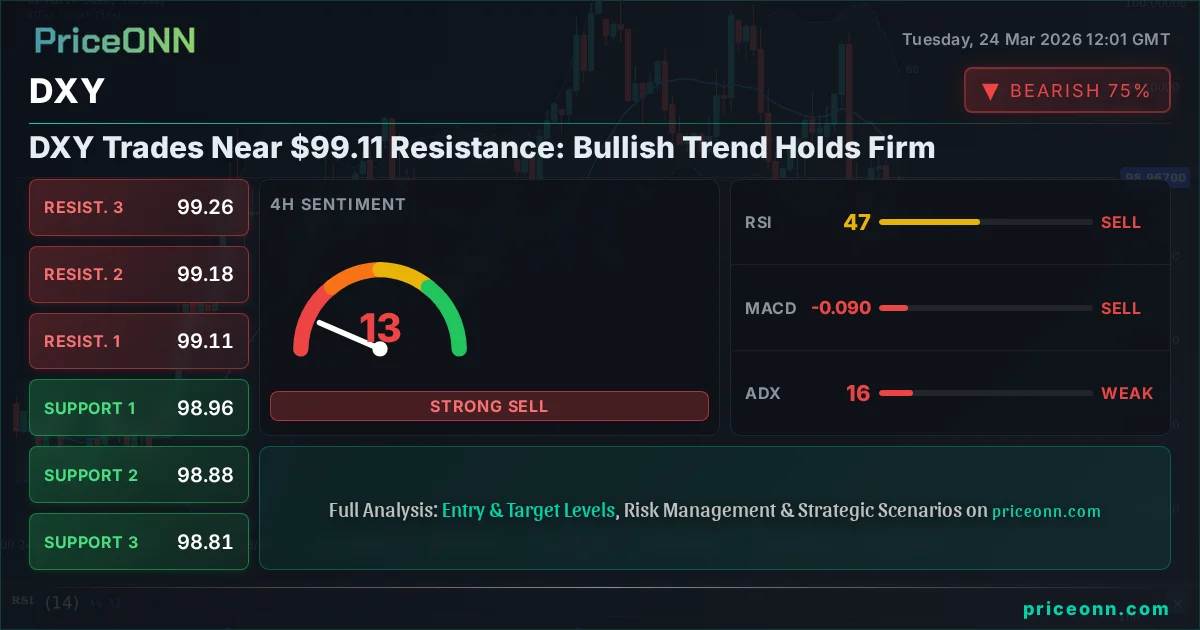
The US Dollar Index (DXY) experienced a significant downturn, breaching the key 100 level to trade around 99.10, as a wave of optimism swept through financial markets. This decline occurred despite underlying support from stable bond yields and a measured outlook on future Federal Reserve policy, underscoring the dominant influence of improved risk appetite.
Market Context
A shift in geopolitical sentiment appears to be the primary driver behind the dollar's retreat. Market participants are attempting to price in a tentative de-escalation of tensions involving Iran, following signals of a softening in rhetoric from key political figures. This potential diplomatic pathway, rather than further military confrontation, has reduced geopolitical uncertainty, a factor that has previously weighed on global growth prospects and bolstered demand for the dollar as a secure store of value. Asian equities saw a modest opening rebound, recovering about half of the previous day's losses, reflecting this cautious optimism. However, skepticism regarding the credibility of these de-escalation signals has limited any sustained risk rally, with some reports of ongoing hostilities creating a disconnect between rhetoric and action.
Analysis & Drivers
The initial optimism was reportedly fueled by a decision to postpone planned strikes on Iranian energy infrastructure, which encouraged markets to unwind some of the extreme escalation risks that had been priced in. However, conflicting signals from Tehran, dismissing claims as propaganda, have created a 'trust gap'. This credibility issue has left markets hesitant to fully embrace de-escalation. On the ground, developments such as explosions over Jerusalem following missile fire highlight that hostilities remain active, reinforcing caution among investors. This has been clearly reflected in commodity markets, with Brent crude rebounding back above $100, indicating that traders are not pricing in a lasting resolution. The persistence of elevated oil prices continues to anchor inflation expectations and limit the scope for a broader risk-on move. In the currency markets, the dollar's weakness is accompanied by strength in the Yen due to safe-haven demand and the Canadian Dollar benefiting from oil strength, while other currencies like the Australian Dollar have shown less clear direction.
Trader Implications
Traders should closely monitor the evolving geopolitical narrative surrounding Iran. Key levels to watch for the US Dollar Index (DXY) include the 99.00 support level. A sustained break below this could signal further dollar weakness. Conversely, any resurgence in geopolitical tensions could see the DXY quickly reclaim higher ground, potentially testing the 100.50 resistance. The price action in crude oil remains a critical barometer for risk sentiment; a sustained move below $95 for WTI or $100 for Brent could indicate a more solidified risk-on environment, while spikes above these levels would signal renewed caution. For forex traders, pairs like USD/JPY and USD/CAD will be particularly sensitive to shifts in risk appetite and oil prices, respectively. The market appears to be caught between relief from delayed escalation and unresolved risks, creating a potentially volatile environment.
Outlook
The immediate outlook for the US Dollar will likely depend on the continued clarity and credibility of de-escalation efforts in the Middle East. Should diplomatic channels prove fruitful and tensions genuinely recede, the dollar could face further headwinds as risk appetite strengthens. However, any indication of renewed escalation or a lack of concrete progress in negotiations could swiftly reverse this trend, bolstering the dollar's safe-haven appeal. Upcoming economic data from the US, particularly inflation figures, will also play a crucial role in shaping expectations for Federal Reserve policy, which could influence the dollar's trajectory independently of geopolitical events.
Frequently Asked Questions
What is the current trading level for the US Dollar Index (DXY)?
The US Dollar Index (DXY) has fallen below the 100 mark and is currently trading around 99.10. This level reflects a shift in market sentiment towards improved risk appetite.
How are oil prices reacting to the de-escalation signals?
Oil prices, specifically Brent crude, have rebounded back above $100. This suggests that traders are not yet pricing in a lasting resolution to geopolitical tensions, keeping inflation expectations anchored.
What are the key levels to watch for traders in the forex market?
Traders should watch the 99.00 support level for the DXY. A break below could signal further dollar weakness, while a return above 100.50 would indicate renewed strength. USD/JPY and USD/CAD are also key pairs to monitor.
Track markets in real-time
Empower your investment decisions with AI-powered analysis, technical indicators and real-time price data.
Join Our Telegram Channel
Get breaking market news, AI analysis and trading signals delivered instantly to your Telegram.
Join Channel


PriceONN