
Is the US Power Grid a Ticking Time Bomb Amidst Middle East Tensions?

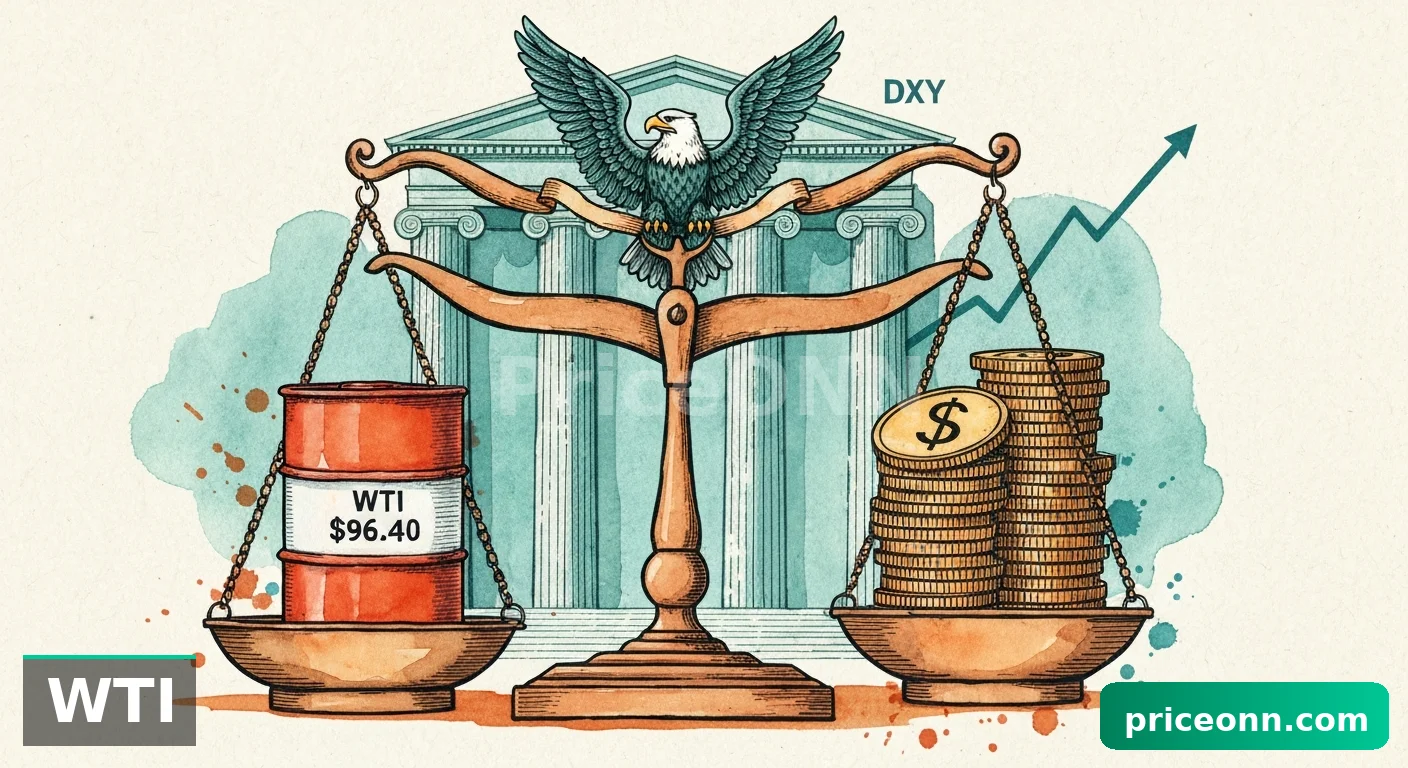
The United States' critical energy infrastructure is facing a dual threat: escalating cyber vulnerabilities at home and a potential re-evaluation of global energy security partnerships abroad. Market data shows that the national power grid is under immense pressure from rising energy consumption, particularly by data centers, and the integration of intermittent renewable sources, creating a more complex and fragile system. This precarious state, coupled with heightened geopolitical instability, raises serious questions about national security and the reliability of energy supplies.
Market Context
The U.S. power grid is described as being in a "precarious state" due to decades of underinvestment. This fragility is amplified by soaring electricity demand from the burgeoning data center industry and the unpredictable energy flows associated with solar and wind power. Efforts to modernize and expand the grid, while necessary, inadvertently widen the potential attack surface for adversaries. Acting Undersecretary of Energy, Alexander Fitzsimmons, noted that "the threat landscape is certainly escalating and intensifying," warning that hostile entities may have already infiltrated IT networks underpinning critical infrastructure, potentially lying in wait for an opportune moment to strike. This situation is compounded by recent events in the Middle East, where Iranian missile and drone retaliation against U.S./Israeli actions have impacted energy infrastructure in Gulf states. Disruptions at facilities like the Fujairah port and the Shah gas field in the UAE highlight how regional conflicts can spill over and affect global energy flows, damaging reputations as stable business hubs.
Analysis & Drivers
The primary driver of domestic vulnerability stems from the aging infrastructure and the increasing demands placed upon it. The rapid expansion of data centers, fueled by artificial intelligence and cloud computing, is a significant factor in the surge of electricity consumption. Simultaneously, the intermittent nature of renewable energy sources like solar and wind power introduces complexities in grid management and stability. On the geopolitical front, the fallout from the U.S./Israeli attack on Iran has placed Gulf states in a difficult position. Reports indicate that Iranian retaliation has targeted airports, ports, and energy infrastructure, leading to disruptions in aviation, trade, tourism, and hydrocarbon exports. This has prompted key regional players to question the efficacy of U.S. security guarantees. For instance, business leaders and foreign ministers in the Gulf are publicly expressing concerns that U.S. security cooperation has become an "acute vulnerability," prompting explorations of alternative security frameworks and partnerships.
Trader Implications
Traders should monitor the potential for disruptions to crude oil and natural gas supply chains originating from the Middle East. Any escalation of conflict or perceived weakening of U.S. security guarantees in the region could lead to price volatility in energy commodities. Furthermore, the increasing vulnerability of the U.S. power grid to cyberattacks presents a less direct but significant risk. A large-scale grid failure could have cascading effects on industrial output and economic activity, indirectly impacting energy demand and prices. Key levels to watch for crude oil (WTI and Brent) will be influenced by Middle Eastern supply dynamics and any official statements regarding energy infrastructure security. For natural gas, domestic weather patterns and industrial demand will remain crucial, but geopolitical risks cannot be ignored. Investors should consider the long-term implications for energy security and the potential for increased investment in grid resilience and alternative energy sources, which could present opportunities in related sectors.
Outlook
The outlook for energy markets remains complex, balancing demand-side pressures with geopolitical risks and infrastructure vulnerabilities. The strain on the U.S. power grid is likely to persist, requiring substantial investment in upgrades and defenses against cyber threats. In the Middle East, the reassessment of security alliances by Gulf states could lead to shifts in regional energy policies and international relations. Traders should remain vigilant for any signs of escalating tensions or confirmed attacks on energy infrastructure, as these events could trigger significant price movements. Upcoming economic data releases and central bank policy decisions will also continue to shape overall market sentiment.
Frequently Asked Questions
What is the primary threat to the U.S. power grid?
The primary threats are the grid's aging infrastructure, increased demand from data centers, and the complex integration of renewable energy sources. These factors make it more vulnerable to cyberattacks, with officials noting that hostile entities may have already infiltrated critical IT networks.
How are Middle East tensions impacting energy infrastructure?
Iranian retaliation following U.S./Israeli actions has reportedly targeted energy infrastructure in Gulf states, causing disruptions to ports and gas fields. This has led to concerns among Gulf nations about the reliability of U.S. security guarantees, potentially affecting regional stability and hydrocarbon exports.
What should traders watch for regarding energy markets?
Traders should monitor geopolitical developments in the Middle East for potential supply disruptions and price volatility in crude oil and natural gas. Additionally, the risk of cyberattacks on the U.S. power grid could indirectly impact industrial demand and overall energy prices.
Track markets in real-time
Empower your investment decisions with AI-powered analysis, technical indicators and real-time price data.
Join Our Telegram Channel
Get breaking market news, AI analysis and trading signals delivered instantly to your Telegram.
Join Channel PriceONN News
The Iran war suddenly turned what had started as a year of oversupply in global oil and LNG markets into the worst oil and gas supply disruption in history. Three months after the U.S.-Israeli strikes on Iran began on February 28, the world has already lost 1 billion barrels of crude oil supply, oil and gas prices have found a new, much higher floor, and whipsaw with violent volatility nearly every day, trade routes have shifted, and tanker rates have spiked. Actual supply shortages are...
PriceONN News
China has been cited as an example of a country that has managed to insulate itself relatively well against oil crises. With over a billion barrels in estimated inventories before the war in the Middle East started, China was the poster child of forward planning in energy security. But this could change, and if it does, it would make an already severe crisis even worse. Kpler sounded the alarm about that prospect earlier this month, reporting that Chinese refiners have reduced their purchases...
PriceONN News
Crude oil prices experienced a significant drop, with WTI futures falling over 1.8% to $87.25, as optimism grew for a U.S.-Iran deal potentially reopening the Strait of Hormuz.
PriceONN News
Crude oil prices experienced a significant downturn as market sentiment shifted towards optimism about a potential US-Iran Memorandum of Understanding that could reopen the Strait of Hormuz. WTI futures fell nearly 2% on the news.
PriceONN News
(RTTNews) - Crude oil prices have tumbled on Friday as expectations of the U.S. and Iran signing a Memorandum of Understanding run high. The MoU would allow for immediate reopening of the Strait of Hormuz and pave the way for the resumption of oil and energy trade.
PriceONN News
Crude oil futures experienced a dramatic intraday reversal on Thursday, soaring overnight on geopolitical fears only to pull back significantly as reports of a potential diplomatic understanding between the U.S. and Iran emerged.
PriceONN News
Crude oil futures experienced a dramatic intraday reversal, soaring to $92.52 before pulling back significantly on Thursday. The volatile session was driven by shifting geopolitical narratives and U.S. inventory data.
PriceONN News
Crude oil futures experienced a dramatic reversal, soaring overnight to $92.52 before plummeting nearly 6% to $89 a barrel. This volatility was driven by escalating US-Iran tensions followed by reports of a potential preliminary diplomatic understanding.
PriceONN News
(RTTNews) - Crude oil futures skyrocketed overnight but have shown a significant pullback over the course of the trading day on Thursday.
PriceONN News
The market’s faith in an imminent US-Iran peace breakthrough has clearly weakened today - but it has not disappeared yet. Oil prices jumped again in after fresh military escalation around the Strait of Hormuz reignited fears of prolonged supply disruptions across the Gulf. Brent crude pushed back toward the mid-$90s after new U.S. strikes inside […] The post Brent Oil Holding Below $100 Suggests Markets Still See Room for a US-Iran Deal appeared first on ActionForex.
PriceONN News
(RTTNews) - Extending the losses from yesterday's session, crude oil prices have gone into freefall on Wednesday as investor expectations on a potential U.S.-Iran agreement continue to rise despite the U.S. refusing to ease its demands.
PriceONN News
(RTTNews) - Crude oil prices have tumbled on Tuesday as optimism about a U.S.-Iran peace deal that could lead to reopening of the Strait of Hormuz soon grows despite reports of fresh U.S. strikes on Iran yesterday.