Why Is Brent Crude Surging Towards $120 Amid Middle East Tensions?
Brent crude oil prices are on a trajectory to peak around $120 per barrel in the second quarter, driven by an escalating and protracted energy shock stemming from the Middle East conflict. The disruption, now in its fifth week, is significantly impacting production and vital shipping routes, leading to revised forecasts for market recovery and supply availability.
Market Context
The conflict's persistence has transformed it into a more considerable and longer-lasting energy crisis than initially projected. Market data indicates that the disruption to energy production and critical transit points, notably the Strait of Hormuz, is likely to extend well beyond earlier expectations. This prolonged instability is poised to drive energy prices substantially higher and delay the market's return to normalcy. Current assessments suggest the Strait of Hormuz could remain largely impassable for up to eight weeks, a stark contrast to prior forecasts of a one-month closure followed by a rapid recovery. The path back to full operational capacity is now anticipated to be a lengthy one, with traffic potentially only reaching about 20% of its normal volume by May, and a complete restoration not expected until the end of 2026.
Analysis & Drivers
Several factors are contributing to this slower normalization. Limited shipping access for nations not involved in the conflict, persistently high insurance premiums due to ongoing risks, and the complex logistical challenges faced by shipping companies in re-establishing routes and securing new contracts are all playing a role. The implications for global oil supply are severe. Industry reports indicate that the extended closure and gradual reopening will necessitate temporary production halts, known as 'shut-ins', for numerous smaller Gulf producers facing storage limitations. This, combined with damage to existing oil infrastructure, has led to a forecast of a global oil production shortfall of approximately 6 million barrels per day for the second quarter. While major oil-producing nations like Saudi Arabia and the UAE may leverage operational pipelines and strategic reserves, the overall risk profile remains elevated. Any further infrastructure damage or the involvement of other key shipping arteries, such as the Red Sea, could dramatically amplify the crisis.
Trader Implications
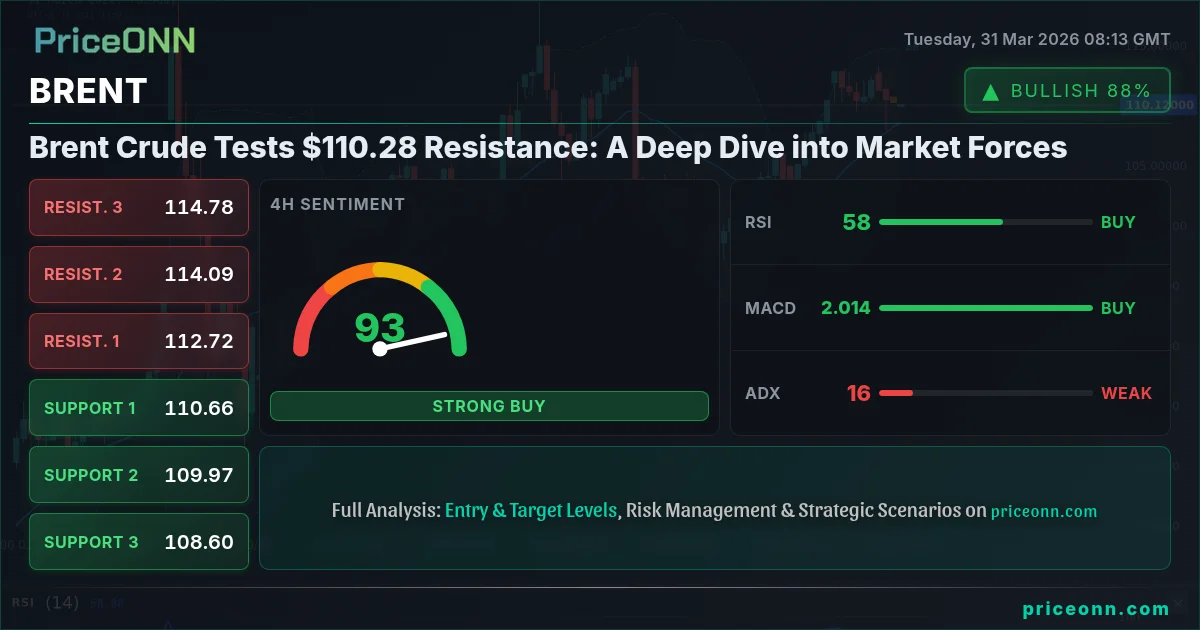
Traders should closely monitor the duration of the Strait of Hormuz closure and the pace of infrastructure repairs. Key levels to watch for Brent crude include the projected $120 per barrel peak, with potential for further upside if supply disruptions worsen. Conversely, signs of de-escalation or expedited reopening of shipping lanes could trigger profit-taking. The risk of 'shut-ins' among smaller producers adds a layer of volatility, as their sudden removal from the market can create rapid price swings. Investors should also consider the knock-on effects on natural gas prices, with Japanese LNG futures anticipated to reach $26 per MMBtu. The elevated energy costs are also expected to impact inflation, with Australian CPI inflation now projected to peak at 5.4% year-on-year in June.
Outlook
The energy market faces a period of sustained volatility and higher prices as the Middle East conflict's impact deepens. The extended timeline for normalization of shipping routes and the potential for further disruptions suggest that upward pressure on oil and gas prices will persist through the second quarter and potentially beyond. Traders should prepare for increased price swings and maintain a keen eye on geopolitical developments and official supply statements from OPEC+ nations.
Frequently Asked Questions
What is the projected peak price for Brent crude oil due to the Middle East conflict?
Market data indicates that Brent crude oil is expected to peak around $120 per barrel during the second quarter of the year due to the ongoing and escalating energy shock.
How long is the Strait of Hormuz expected to be significantly disrupted?
The Strait of Hormuz could remain largely impassable for up to eight weeks, with traffic only expected to reach approximately 20% of normal volume by May, and full recovery not anticipated until late 2026.
What are the broader economic implications of this energy shock?
The energy shock is expected to contribute to higher inflation, with Australian CPI inflation now forecast to peak at 5.4% year-on-year in June. Japanese LNG prices are also projected to reach $26 per MMBtu.
Track markets in real-time
Empower your investment decisions with AI-powered analysis, technical indicators and real-time price data.
Join Our Telegram Channel
Get breaking market news, AI analysis and trading signals delivered instantly to your Telegram.
Join Channel