
Why China Could Emerge Stronger From the Iran Conflict Amidst Global Energy Chaos

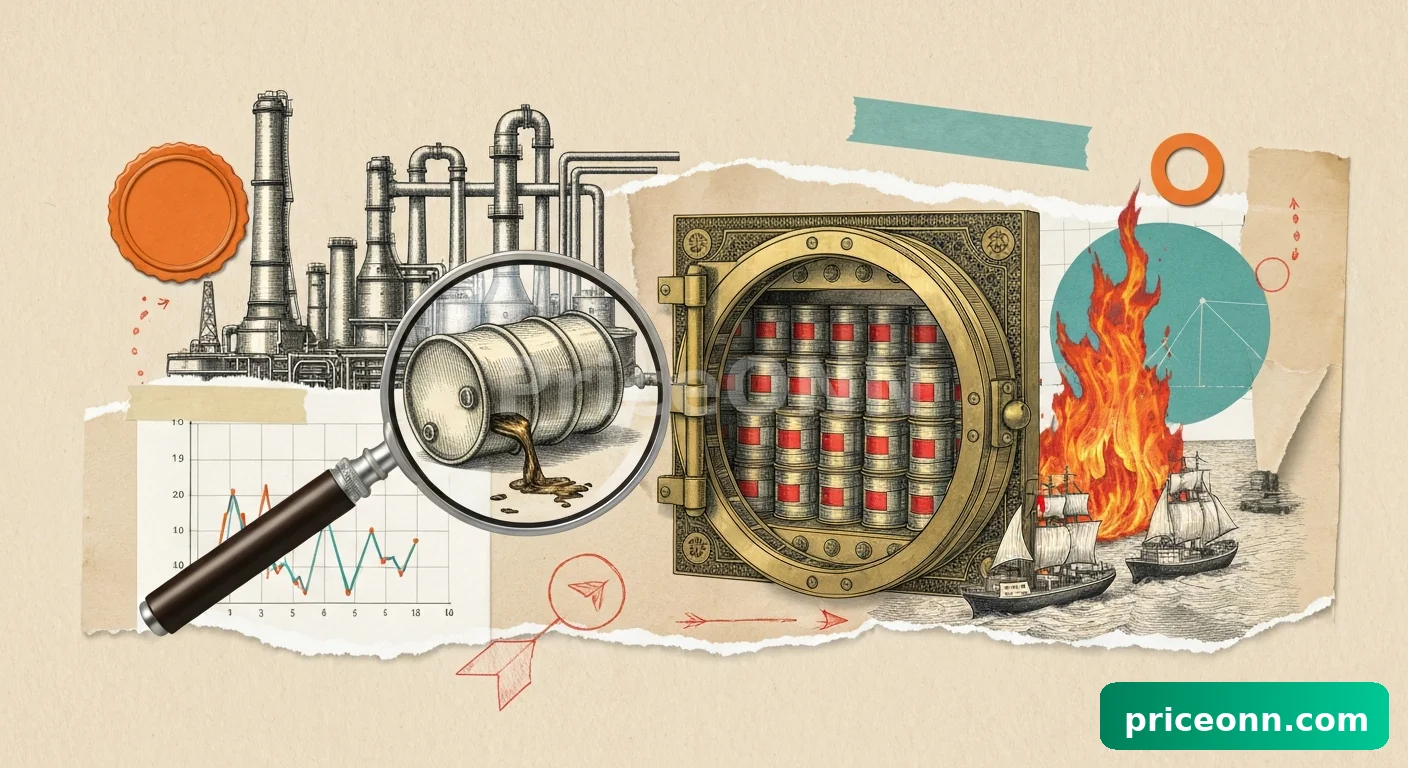
Global energy markets are experiencing unprecedented volatility as the conflict involving the United States, Israel, and Iran intensifies, leading to a surge in oil prices and significant supply chain concerns. The Strait of Hormuz, a critical chokepoint for global oil shipments, faces potential disruption, creating widespread anxiety among energy-dependent nations. Amidst this turmoil, China appears to be in a uniquely advantageous position, thanks to its years of strategic energy stockpiling and infrastructure development.
Market Context: A World on Edge
The escalating geopolitical situation in the Middle East has sent shockwaves across international energy markets. With Iran signaling its intent to restrict passage through the Strait of Hormuz for adversaries, a significant portion of global oil and gas trade is under threat. This critical waterway, through which approximately one-fifth of the world's oil and gas passes, has become a focal point of tension. While Iran has stated the Strait remains open, it is effectively closed to those perceived as aggressors, leading to a slowdown in trade and a sharp increase in crude oil prices. Despite these disruptions, market data shows that over 11.7 million barrels of crude oil continue to flow to China daily, underscoring existing trade relationships and Beijing's careful diplomatic navigation.
Analysis & Drivers: China's Strategic Fortitude
China's robust response to the current energy crisis is a direct result of its long-term strategic planning. The nation has meticulously built up substantial strategic petroleum reserves, amassing an impressive 851 million barrels of crude oil in onshore commercial storage. This colossal stockpile is not merely a buffer against immediate supply shocks; it is a strategic asset that provides Beijing with considerable economic and energy flexibility. Unlike many nations scrambling for limited supplies at exorbitant costs, China's vast reserves grant it the luxury of making measured, calculated decisions about its energy strategy. This allows the world's second-largest economy to maintain operations and pursue its economic objectives without succumbing to panic, even as other global powers face mounting pressure.
Beyond its impressive reserves, China's 'supergrid' infrastructure and its ongoing efforts to reduce reliance on fossil fuel imports are key components of its energy security strategy. This integrated energy network, combined with substantial domestic reserves, offers a significant shield against the volatility of international energy markets. While other nations grapple with rising import costs and potential shortages, China's self-sufficiency and strategic depth position it to potentially weather the storm more effectively and even capitalize on the situation.
In contrast, other regions are facing their own energy-related challenges. In Canada, for instance, negotiations between the federal government and the oil-producing province of Alberta regarding carbon pricing are reportedly hitting snags. Prime Minister Mark Carney's administration, which has sought to prioritize economic growth and energy exports, faces complicated discussions that may extend beyond the self-imposed April 1 deadline. This uncertainty is impacting investment in critical carbon capture initiatives, with one major producer deferring a US$6 billion project due to regulatory delays. This situation highlights the diverse challenges facing different energy-producing nations as global dynamics shift.
Trader Implications: Navigating Volatility
For traders and investors, the current energy market landscape presents both significant risks and opportunities. The surge in oil prices, driven by geopolitical tensions and supply fears, necessitates a cautious approach. Key price levels to watch for crude oil benchmarks like Brent and WTI will be crucial indicators of market sentiment. Traders should monitor any further developments regarding the Strait of Hormuz, as any escalation or de-escalation will have immediate price impacts.
China's strategic positioning offers a unique dynamic. While global crude prices may remain elevated, China's ability to draw from its vast reserves could insulate it from the most severe price shocks, potentially leading to greater economic stability compared to other major economies. This could influence currency markets and commodity trading strategies. Traders should consider the implications of China's energy independence on global demand patterns and its potential to maintain stable economic activity, which could indirectly support certain sectors or currencies.
The divergence in energy policy and market conditions, as seen between the Middle East conflict's impact and Canada's domestic regulatory hurdles, suggests that localized factors will continue to play a significant role. Traders should maintain vigilance on news flow related to both geopolitical events and national energy policies. Key risk factors include further escalation in the Middle East, unexpected disruptions to Chinese reserves, or breakthroughs in Canadian carbon pricing negotiations that could impact supply and investment.
Outlook: A Reshaped Energy Landscape
The ongoing conflict involving Iran and the resulting energy market volatility are likely to reshape the global energy landscape for the foreseeable future. China's strategic foresight in building substantial reserves and developing robust infrastructure appears to be paying dividends, positioning it as a potential economic beneficiary. While the immediate outlook for oil prices remains heavily influenced by geopolitical developments, China's unique situation suggests a degree of insulation and potential strategic advantage. Investors and traders will need to closely observe how these dynamics unfold, particularly concerning the security of vital shipping lanes and the differing national strategies for energy security and economic resilience.
Frequently Asked Questions
How large are China's strategic petroleum reserves?
Market data indicates China has amassed a significant strategic petroleum reserve, with onshore commercial inventories reportedly reaching 851 million barrels of crude oil. This substantial stockpile provides a critical buffer against global supply shocks.
What is the significance of the Strait of Hormuz in the current conflict?
The Strait of Hormuz is a vital chokepoint for global energy trade, with approximately one-fifth of the world's oil and gas passing through it. Iran's actions to restrict passage for adversaries in the context of the ongoing conflict directly threaten global supply and are a major driver of current price volatility.
What are the key implications for traders amid this energy crisis?
Traders should closely monitor geopolitical developments impacting the Strait of Hormuz and focus on key price levels for crude oil benchmarks. China's strategic reserves suggest potential for greater economic stability, which could influence commodity and currency trading strategies, while global supply concerns maintain upward pressure on prices.
Track markets in real-time
Empower your investment decisions with AI-powered analysis, technical indicators and real-time price data.
Join Our Telegram Channel
Get breaking market news, AI analysis and trading signals delivered instantly to your Telegram.
Join Channel PriceONN News
The Iran war suddenly turned what had started as a year of oversupply in global oil and LNG markets into the worst oil and gas supply disruption in history. Three months after the U.S.-Israeli strikes on Iran began on February 28, the world has already lost 1 billion barrels of crude oil supply, oil and gas prices have found a new, much higher floor, and whipsaw with violent volatility nearly every day, trade routes have shifted, and tanker rates have spiked. Actual supply shortages are...
PriceONN News
China has been cited as an example of a country that has managed to insulate itself relatively well against oil crises. With over a billion barrels in estimated inventories before the war in the Middle East started, China was the poster child of forward planning in energy security. But this could change, and if it does, it would make an already severe crisis even worse. Kpler sounded the alarm about that prospect earlier this month, reporting that Chinese refiners have reduced their purchases...
PriceONN News
The Iran war has handed the United States a rare opportunity: a new dawn of energy dominance in an increasingly fractured world. With coordinated US-Israeli strikes disrupting the Strait of Hormuz from late February, roughly 20% of global LNG supply has been stripped from the market since early March. Prices have surged across Asia and Europe. And into that vacuum, American gas has flowed. The numbers speak for themselves. US LNG exports to Asia jumped sharply in April, with nearly a quarter of...
PriceONN News
Crude oil prices experienced a significant drop, with WTI futures falling over 1.8% to $87.25, as optimism grew for a U.S.-Iran deal potentially reopening the Strait of Hormuz.
PriceONN News
Crude oil prices experienced a significant downturn as market sentiment shifted towards optimism about a potential US-Iran Memorandum of Understanding that could reopen the Strait of Hormuz. WTI futures fell nearly 2% on the news.
PriceONN News
(RTTNews) - Crude oil prices have tumbled on Friday as expectations of the U.S. and Iran signing a Memorandum of Understanding run high. The MoU would allow for immediate reopening of the Strait of Hormuz and pave the way for the resumption of oil and energy trade.
PriceONN News
Crude oil futures experienced a dramatic intraday reversal on Thursday, soaring overnight on geopolitical fears only to pull back significantly as reports of a potential diplomatic understanding between the U.S. and Iran emerged.
PriceONN News
Crude oil futures experienced a dramatic intraday reversal, soaring to $92.52 before pulling back significantly on Thursday. The volatile session was driven by shifting geopolitical narratives and U.S. inventory data.
PriceONN News
Crude oil futures experienced a dramatic reversal, soaring overnight to $92.52 before plummeting nearly 6% to $89 a barrel. This volatility was driven by escalating US-Iran tensions followed by reports of a potential preliminary diplomatic understanding.
PriceONN News
(RTTNews) - Crude oil futures skyrocketed overnight but have shown a significant pullback over the course of the trading day on Thursday.
PriceONN News
(RTTNews) - A report released by the Energy Information Administration on Thursday showed crude oil inventories in the U.S. decreased by less than expected in the week ended May 22nd.
PriceONN News
The market’s faith in an imminent US-Iran peace breakthrough has clearly weakened today - but it has not disappeared yet. Oil prices jumped again in after fresh military escalation around the Strait of Hormuz reignited fears of prolonged supply disruptions across the Gulf. Brent crude pushed back toward the mid-$90s after new U.S. strikes inside […] The post Brent Oil Holding Below $100 Suggests Markets Still See Room for a US-Iran Deal appeared first on ActionForex.