
Why Did Gold Plummet Below $4,650 Amidst Soaring Energy Costs?
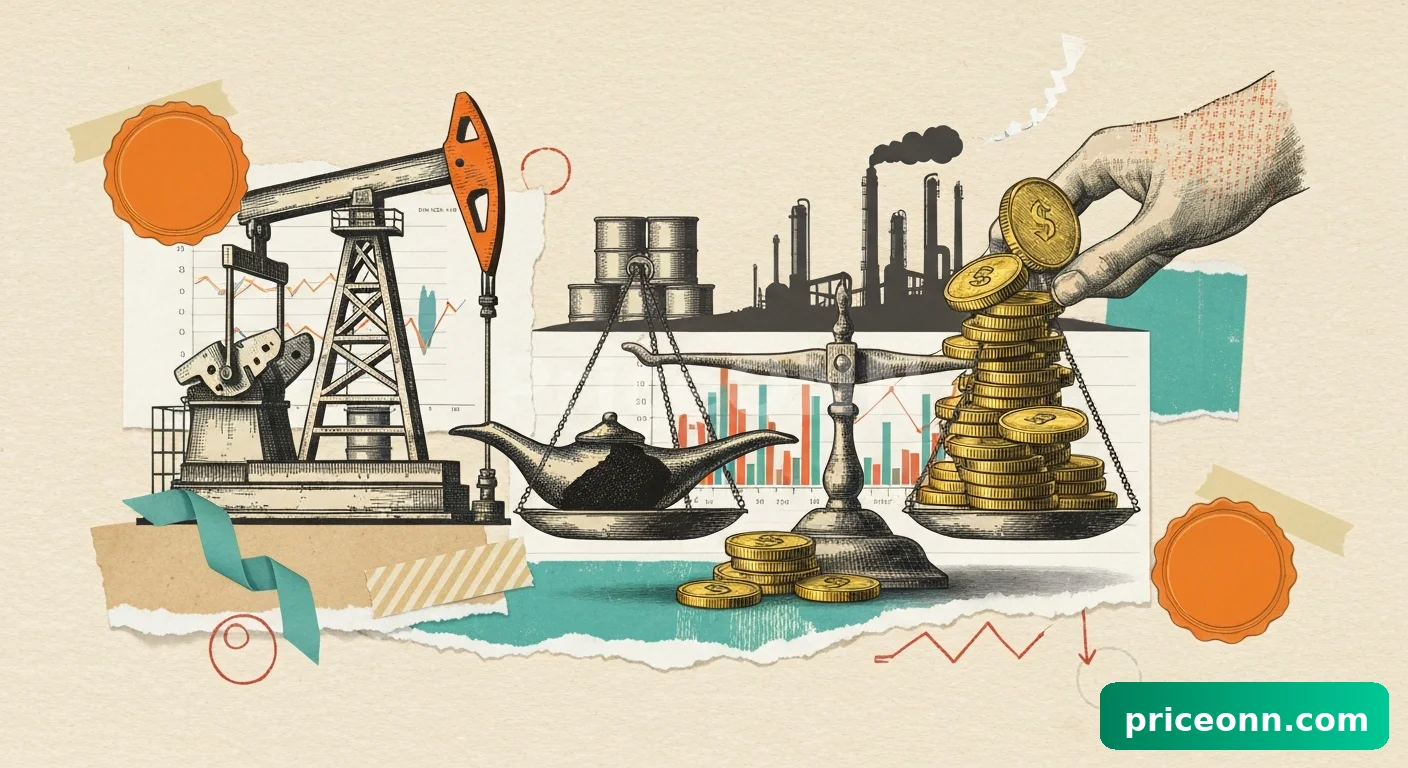
Gold prices have experienced a significant downturn, breaking below the critical $4,650 mark and currently trading near $4,640 in early Asian trading. This sharp decline extends recent losses, fueled by a confluence of resurgent inflation fears and a tightening liquidity environment in global financial markets.
The immediate catalyst appears to be the surge in crude oil and broader energy prices, a situation exacerbated by escalating geopolitical tensions. These rising energy costs are directly stoking inflation concerns, prompting a re-evaluation of asset allocation as investors prioritize immediate liquidity over long-term value preservation.
Market Context and Recent Performance
The precious metal's retreat underscores a challenging environment for traditional safe-haven assets. Historically, gold has been a go-to asset during times of economic uncertainty, acting as a hedge against inflation and currency devaluation. Its intrinsic value, independent of any single government, has made it a stable store of wealth and a favored diversification tool for central banks.
However, the current market narrative suggests that immediate inflation fears, driven by soaring energy prices, are outweighing gold's traditional safe-haven appeal. This dynamic is creating selling pressure as market participants seek to meet immediate cash demands or reallocate capital to assets perceived as offering more immediate returns or protection against rising costs in other sectors.
Analysis of Key Drivers
The escalating conflict between the United States and Iran has been a significant factor in the recent spike in energy prices. Disruptions or perceived threats to oil supply routes in the Middle East invariably lead to price increases for crude oil, which then cascades through the economy, impacting transportation, manufacturing, and consumer goods. This inflationary pressure directly challenges the appeal of non-yielding assets like gold.
Furthermore, market data indicates a tightening liquidity squeeze. When liquidity becomes scarce, investors often sell off less liquid or non-essential assets to raise cash. This can put downward pressure on gold, even if its long-term inflation-hedging properties remain intact. The inverse correlation between gold and the US Dollar, while often observed, may be temporarily overshadowed by these more pressing short-term liquidity and inflation concerns.
Trader Implications and Key Levels
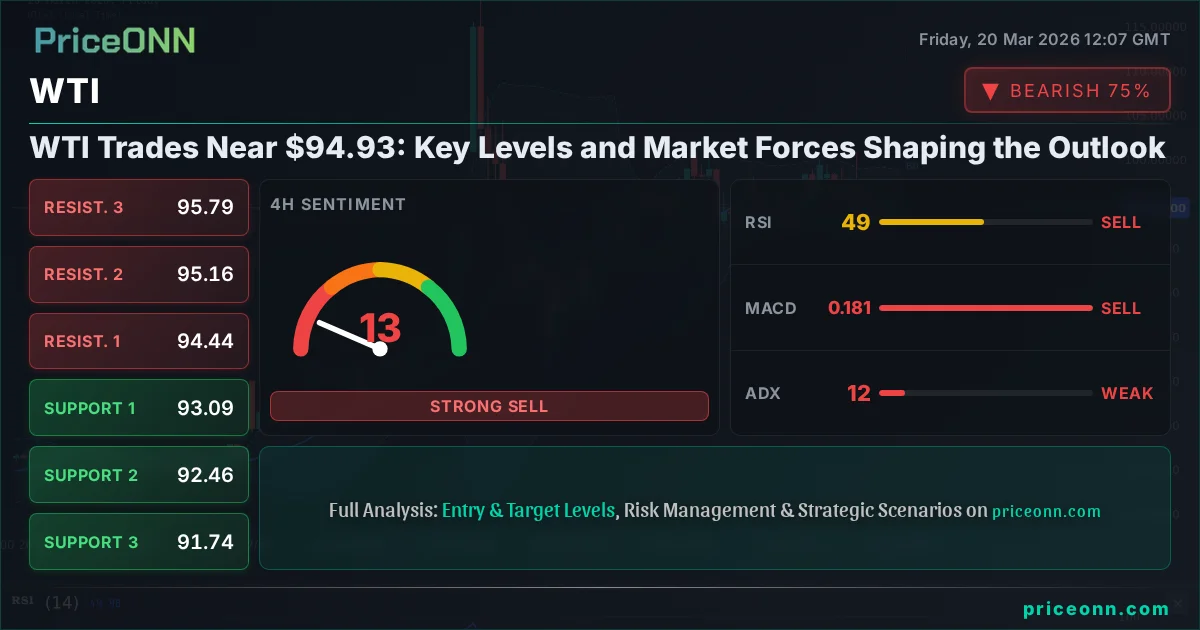
Traders are closely watching the $4,650 level, which has now transitioned from a support to a resistance area. A sustained break below this psychological threshold suggests further downside potential. Key support levels to monitor would be $4,600 and potentially lower if the inflation and liquidity concerns persist.
Conversely, a significant de-escalation in geopolitical tensions or a shift in central bank policy towards easing liquidity could provide a reprieve for gold. For now, the dominant theme is inflation driven by energy costs, suggesting a cautious stance on gold. Traders should be prepared for continued volatility and consider risk management strategies, particularly if crude oil prices continue their upward trajectory.
Outlook for Gold
The immediate outlook for gold remains cautious. Until the inflationary pressures stemming from energy prices subside or geopolitical tensions ease, gold may struggle to regain its footing. Investors will be keenly observing upcoming economic data releases for inflation indicators and any further developments in the Middle East. Should inflation remain stubbornly high and liquidity tight, gold could face additional headwinds, potentially testing lower price levels.
Frequently Asked Questions
What is the current price of gold and its immediate support level?
Gold is currently trading near $4,640 per ounce. The key resistance level to watch is $4,650, with significant support potentially emerging around the $4,600 mark.
What are the main factors driving the recent decline in gold prices?
The primary drivers are soaring crude oil and energy prices, which are fueling inflation fears and causing a liquidity squeeze. These factors are making investors prioritize immediate cash needs over gold's traditional safe-haven status.
What should traders watch for in the coming days regarding gold prices?
Traders should monitor energy price movements, geopolitical developments in the Middle East, and upcoming inflation data. A continued rise in energy costs and persistent inflation could push gold prices lower, while de-escalation might offer a rebound opportunity.
Track markets in real-time
Empower your investment decisions with AI-powered analysis, technical indicators and real-time price data.
Join Our Telegram Channel
Get breaking market news, AI analysis and trading signals delivered instantly to your Telegram.
Join Channel
PriceONN