
Why Did Oil Prices Fall 3% Despite Hormuz Shutdown Fears?

Oil prices experienced a sharp downturn on Friday, shedding significant portions of their recent gains. West Texas Intermediate (WTI) crude futures retreated to $92.57 per barrel, marking a 3.12% decline, while Brent crude futures slid to $105.18, down 3.19%. This reversal follows a period of heightened volatility driven by escalating geopolitical tensions in the Middle East and fears of supply chain disruptions.
Market Context: Geopolitical Swings and Supply Vulnerabilities
The energy market has been on a rollercoaster, with prices surging dramatically earlier in the week due to an Israeli attack on the South Pars gas field and retaliatory Iranian actions targeting regional energy infrastructure. These escalations briefly propelled Brent crude above $119 per barrel. However, market sentiment shifted abruptly following statements from Israeli Prime Minister Benjamin Netanyahu, who suggested that the conflict with Iran could conclude sooner than widely expected. Netanyahu indicated that joint U.S.-Israel operations had significantly degraded Iran's strategic capabilities, and crucially, that Israel would refrain from further attacks on Iran's South Pars gas field at the request of U.S. President Trump. This de-escalation narrative eased immediate concerns about further targeting of critical energy infrastructure.
Simultaneously, the implications of a potential prolonged shutdown of the Strait of Hormuz continue to cast a shadow, particularly for energy-importing nations like India. The strait is a critical chokepoint for global energy shipments, including a substantial portion of India's Liquefied Petroleum Gas (LPG). India relies on the Middle East for approximately 90% of its LPG imports, with domestic production covering only about 40% of its needs. Recent data shows India's LPG consumption hit an all-time high in February 2026, averaging 100 kilotonnes per day and reaching 2.8 million tonnes for the month, a 10% year-on-year increase. This growing demand amplifies the vulnerability of its energy security to disruptions in key transit routes.
Analysis & Drivers: Shifting Sentiment and Strategic Reserves
The primary driver behind Friday's price correction appears to be the perceived de-escalation of the conflict in the Middle East. Prime Minister Netanyahu's remarks suggesting a quicker end to hostilities significantly altered market risk appetite, prompting a sell-off in oil futures that had been priced for a more protracted conflict and wider supply impact. The U.S. administration's potential involvement in de-escalating specific targets, such as the South Pars gas field, also played a crucial role in calming nerves regarding immediate supply shocks.
Adding to the downward pressure, U.S. Treasury Secretary Scott Bessent indicated that Washington might authorize another release from the Strategic Petroleum Reserve (SPR) to help manage oil price levels. This suggestion signals a willingness from U.S. authorities to intervene in the market to prevent excessive price spikes, a move that can temper bullish sentiment. Despite Friday's pullback, oil prices remain elevated, reflecting ongoing concerns about overall supply adequacy in a market already sensitive to geopolitical risks and potential disruptions.
In parallel, energy security concerns are prompting strategic shifts among major consumers. Japan, for instance, is reportedly considering a joint project with the United States to stockpile U.S.-sourced crude oil. This initiative aims to diversify Japan's energy procurement and enhance its resilience against supply disruptions, particularly from the Middle East. Japan currently maintains substantial strategic reserves, capable of covering approximately 254 days of national demand, holding around 470 million barrels. However, the proactive exploration of U.S. crude stockpiling underscores a growing global emphasis on securing diverse and reliable energy sources.
Trader Implications: Watching Key Levels and Policy Signals
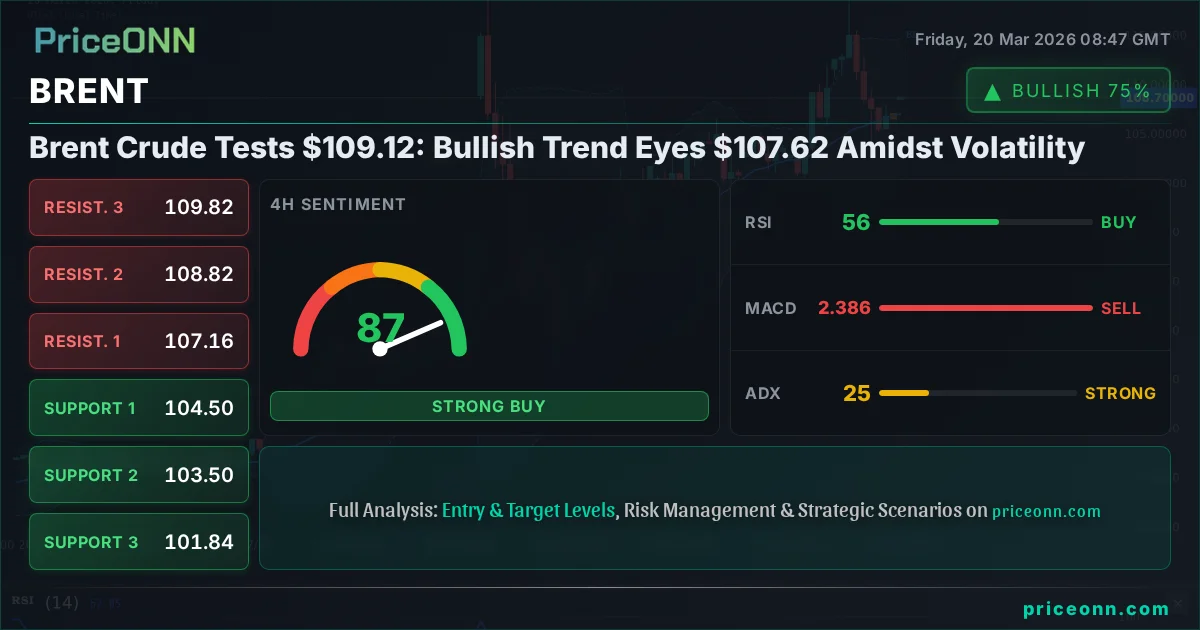
Traders should closely monitor the evolving geopolitical situation in the Middle East. Any renewed escalation or confirmation of further attacks on energy infrastructure could quickly reignite upward price momentum. Key resistance levels for Brent crude remain around the recent highs near $119, while support is being tested around the current levels near $105. For WTI, resistance lies near $95 and support around $90.
The potential for further SPR releases from the U.S. presents a bearish overhang. Traders should also watch for any official announcements or concrete actions regarding Japan's proposed U.S. crude stockpiling initiative, as this could signal a longer-term shift in global oil flows and demand patterns. Market participants should remain vigilant for any policy signals from OPEC+ regarding production adjustments, though current geopolitical tensions may limit their immediate impact on output decisions.
Outlook
The immediate outlook for oil prices remains highly sensitive to geopolitical developments. While the prospect of a quicker resolution to the Iran conflict has provided temporary relief, the underlying supply vulnerabilities, particularly concerning transit routes like the Strait of Hormuz, persist. Any resurgence in tensions could easily send prices higher again. Conversely, sustained de-escalation and further SPR releases could lead to a more prolonged price consolidation. Traders should prepare for continued volatility as the market navigates these competing factors, with a keen eye on official statements and on-the-ground developments in the Middle East.
Frequently Asked Questions
What caused oil prices to fall sharply on Friday?
Oil prices fell sharply on Friday following statements from Israeli Prime Minister Benjamin Netanyahu suggesting the conflict with Iran could end sooner than expected. This eased concerns about prolonged supply disruptions, leading to a retreat from earlier highs. WTI crude dropped to $92.57 and Brent to $105.18.
How does the Strait of Hormuz situation affect India's energy market?
The potential closure of the Strait of Hormuz poses a significant risk to India's energy supply, as approximately 90% of its LPG imports originate from the Middle East. India's LPG consumption reached an all-time high in February 2026, making it more vulnerable to any disruptions in this critical shipping lane.
What is Japan considering to improve its energy security?
Japan is considering a joint project with the United States to stockpile crude oil sourced from the U.S. This strategic move aims to diversify its energy procurement and enhance resilience against supply chain volatilities, supplementing its existing reserves that can cover about 254 days of national demand.
Track markets in real-time
Empower your investment decisions with AI-powered analysis, technical indicators and real-time price data.
Join Our Telegram Channel
Get breaking market news, AI analysis and trading signals delivered instantly to your Telegram.
Join Channel

PriceONN