
Why Did Oil Prices Surge Past $100 Amid Iran Tensions?
Crude oil prices have surged dramatically, with benchmarks pushing past $100 per barrel as heightened geopolitical confrontations in the Middle East cast a long shadow over global energy supply security. The escalating conflict, particularly concerning Iran's assertiveness and potential disruption of key maritime routes, has ignited fears of significant supply shortages, driving a sharp repricing of risk in energy markets.
Market Context
Benchmark crude contracts experienced a significant upward trajectory on Friday. West Texas Intermediate (WTI) crude for May delivery, for instance, saw a substantial increase, trading up by approximately $5.32, or 5.63%, to reach $99.80 per barrel. This sharp rise reflects an immediate market reaction to amplified threats of supply disruptions. Industry reports indicate that the Islamic Revolutionary Guards Corps (IRGC) has declared control over the Strait of Hormuz, a critical chokepoint for global oil transit, and has reportedly warned away vessels deemed to be challenging their authority. This development has intensified concerns that millions of barrels of oil production could be curtailed, impacting not only Asian markets but potentially spreading to Europe.
Analysis & Drivers
The primary driver behind the current oil price surge is the escalating geopolitical risk emanating from the Middle East. Iran's hardline stance and its apparent control over the Strait of Hormuz have created a palpable threat to the uninterrupted flow of crude oil. This situation is compounded by the IRGC's reported actions against vessels attempting passage, creating a volatile environment where supply fears are paramount. Analysts note that the potential closure or severe disruption of this vital waterway could fundamentally alter global energy dynamics. Furthermore, the conflict has overshadowed previous diplomatic efforts, leading to a rigid stance from Iran that diminishes expectations of a swift resolution and a resumption of unimpeded export flows. This uncertainty is a significant factor in the current price rally.
Trader Implications
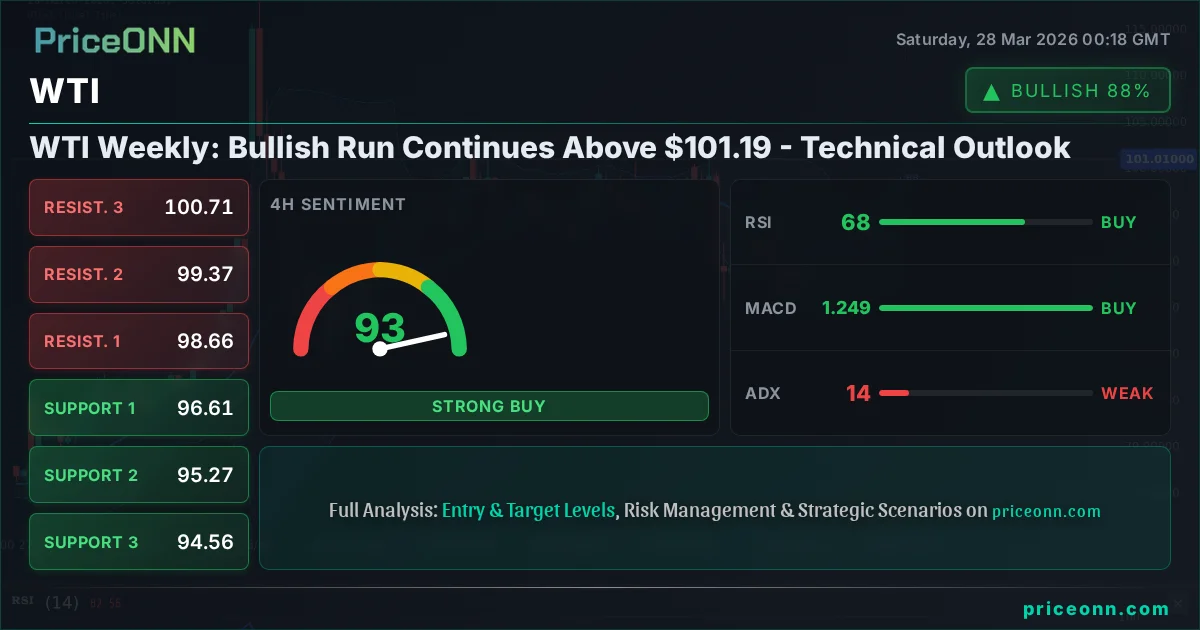
For traders, the current market environment necessitates a heightened awareness of geopolitical developments and their direct impact on energy supply. Key levels to watch include the $100 per barrel mark for WTI, which has now been breached, and potential resistance or support around previous highs. The threat to the Strait of Hormuz remains a critical risk factor; any further aggressive actions or confirmed disruptions could trigger additional price spikes. Traders should monitor news flow from the region closely, as well as official statements from oil-producing nations and major consuming countries. The increased volatility suggests that both long and short positions carry elevated risk. A sustained period of elevated prices could also begin to impact inflation expectations and central bank policy considerations, although the immediate focus remains on supply security.
Outlook
The outlook for crude oil prices remains highly sensitive to the geopolitical situation in the Middle East. Should tensions continue to escalate or supply disruptions become a reality, prices could see further upward momentum. Conversely, any de-escalation or successful diplomatic breakthroughs could lead to a swift correction. Market data shows that the global transition to electric vehicles is being accelerated by such high energy prices, which could eventually cap long-term oil demand growth, but the immediate concern is securing current supply. Traders should prepare for continued volatility as markets digest ongoing developments and their implications for global energy security.
Frequently Asked Questions
What is the current price of crude oil?
Crude oil prices have surged past $100 per barrel, with WTI crude for May delivery trading around $99.80 before breaching the psychological barrier. This marks a significant increase driven by Middle Eastern tensions.
What is the main reason for the oil price surge?
The primary driver is escalating geopolitical tension in the Middle East, specifically threats to the Strait of Hormuz, a critical oil shipping route. Iran's assertive stance and potential supply disruptions are fueling market fears and driving prices higher.
What should traders watch for next in the oil market?
Traders should closely monitor geopolitical developments in the Middle East, any confirmed supply disruptions, and official statements regarding the Strait of Hormuz. Key price levels to watch include the $100 mark and any potential volatility that follows.
Track markets in real-time
Empower your investment decisions with AI-powered analysis, technical indicators and real-time price data.
Join Our Telegram Channel
Get breaking market news, AI analysis and trading signals delivered instantly to your Telegram.
Join Channel
PriceONN