
Why Are Institutions Pouring Billions Into Crypto Despite Market Volatility?
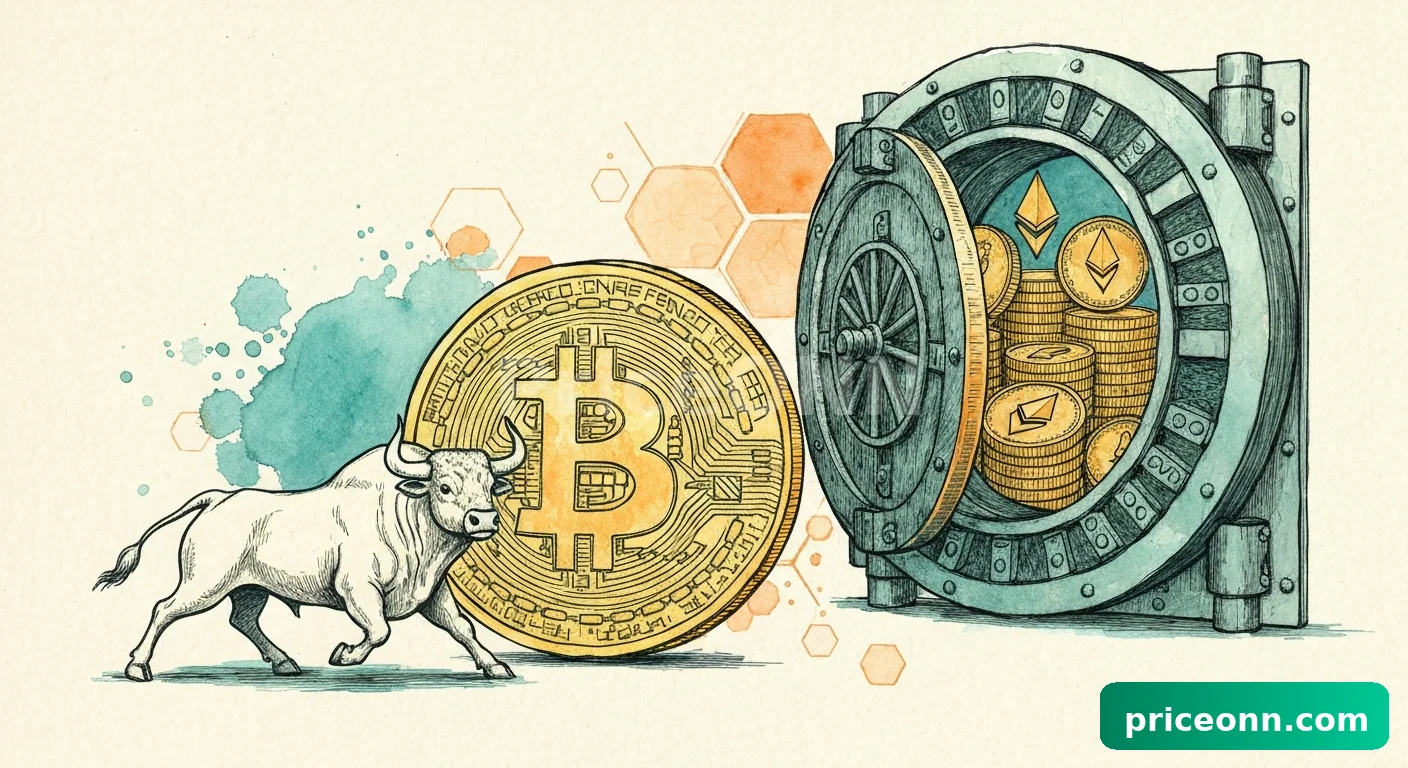
Despite a notable market sell-off impacting digital assets since October, institutional investors are demonstrating unwavering confidence, with a substantial 73% indicating plans to boost their cryptocurrency holdings this year.
Market Context
Recent data reveals a persistent inflow of institutional capital into the digital asset space, even as the broader crypto market has experienced significant price corrections. Industry surveys show that a vast majority of these large-scale investors anticipate a bullish trend in prices over the next twelve months. This sustained demand underscores a growing acceptance of cryptocurrencies as a legitimate asset class, with investment strategies increasingly focusing on regulated pathways.
Specifically, a survey conducted in January among 351 investors highlighted this trend. The findings indicated that not only are 73% of these institutions planning to increase their digital asset allocations, but 74% also expect prices to trend upwards. This forward-looking sentiment suggests a belief that current market conditions present attractive entry points.
Analysis & Drivers
The primary drivers behind this institutional commitment appear to be a combination of long-term growth potential and the increasing availability of regulated investment vehicles. Bitcoin (BTC) and Ether (ETH) continue to be the leading digital assets attracting the most attention, but interest is broadening to include stablecoins and the burgeoning sector of tokenized assets. This diversification within the digital asset class suggests a maturing market that offers multiple avenues for sophisticated investors.
Furthermore, market data indicates a strong preference among these investors for gaining exposure through regulated products. Approximately two-thirds of respondents expressed a preference for instruments such as exchange-traded products (ETPs). This points to a strategic shift towards structured and compliant methods of investment, mitigating some of the perceived risks associated with direct custody or less regulated platforms.
The growing traction of stablecoins, both in retail and institutional channels, also plays a crucial role. Developments such as regulated USDC lending products in Japan and the emergence of new models tied to real-world assets are paving the way for broader adoption and integration into traditional financial systems. Crypto companies are also actively tapping traditional capital markets, with some pursuing public listings, further legitimizing the sector.
Trader Implications
For traders, the sustained institutional interest suggests that significant capital is poised to enter or increase its exposure in the digital asset market. This can imply upward pressure on prices, particularly for the leading cryptocurrencies like Bitcoin and Ether, as institutional demand translates into buying volume. Traders should monitor:
- Key Asset Flows: Track inflows into Bitcoin and Ether, as well as growing interest in tokenized assets and stablecoins.
- Regulatory Developments: Pay close attention to regulatory frameworks, as they are a key factor for institutional adoption and can influence market sentiment.
- ETP Performance: Monitor the performance and inflows of crypto-related ETPs, as they often serve as a barometer for institutional sentiment.
The preference for regulated vehicles means that products offering compliant exposure may see increased trading activity and potentially tighter spreads. Traders might also look for opportunities in assets that are being tokenized, as this trend is expected to grow. A consistent narrative of institutional accumulation, despite price dips, provides a foundational support level for the market.
Outlook
The outlook for digital assets remains cautiously optimistic, driven by this unwavering institutional conviction. While short-term volatility is expected to persist, the long-term trend indicates a significant expansion of the digital asset market, propelled by increasing adoption through regulated channels. Investors and traders should prepare for continued growth in tokenized assets and stablecoins, alongside the established dominance of Bitcoin and Ether in institutional portfolios. Upcoming regulatory clarity could further accelerate institutional inflows, potentially leading to new price discovery phases for major cryptocurrencies.
Frequently Asked Questions
What percentage of institutional investors plan to increase their crypto allocations?
Nearly 73% of institutional investors surveyed plan to increase their digital asset allocations this year, indicating a strong commitment to expanding their crypto portfolios.
Which digital assets are institutions most interested in?
Institutions show the most interest in Bitcoin (BTC), Ether (ETH), stablecoins, and tokenized assets. These are seen as primary entry points and growing sectors within the digital asset market.
How do institutions prefer to gain exposure to digital assets?
A significant majority, about two-thirds, of institutional investors prefer gaining exposure through regulated vehicles such as exchange-traded products (ETPs) rather than direct custody.
Track markets in real-time
Empower your investment decisions with AI-powered analysis, technical indicators and real-time price data.
Join Our Telegram Channel
Get breaking market news, AI analysis and trading signals delivered instantly to your Telegram.
Join Channel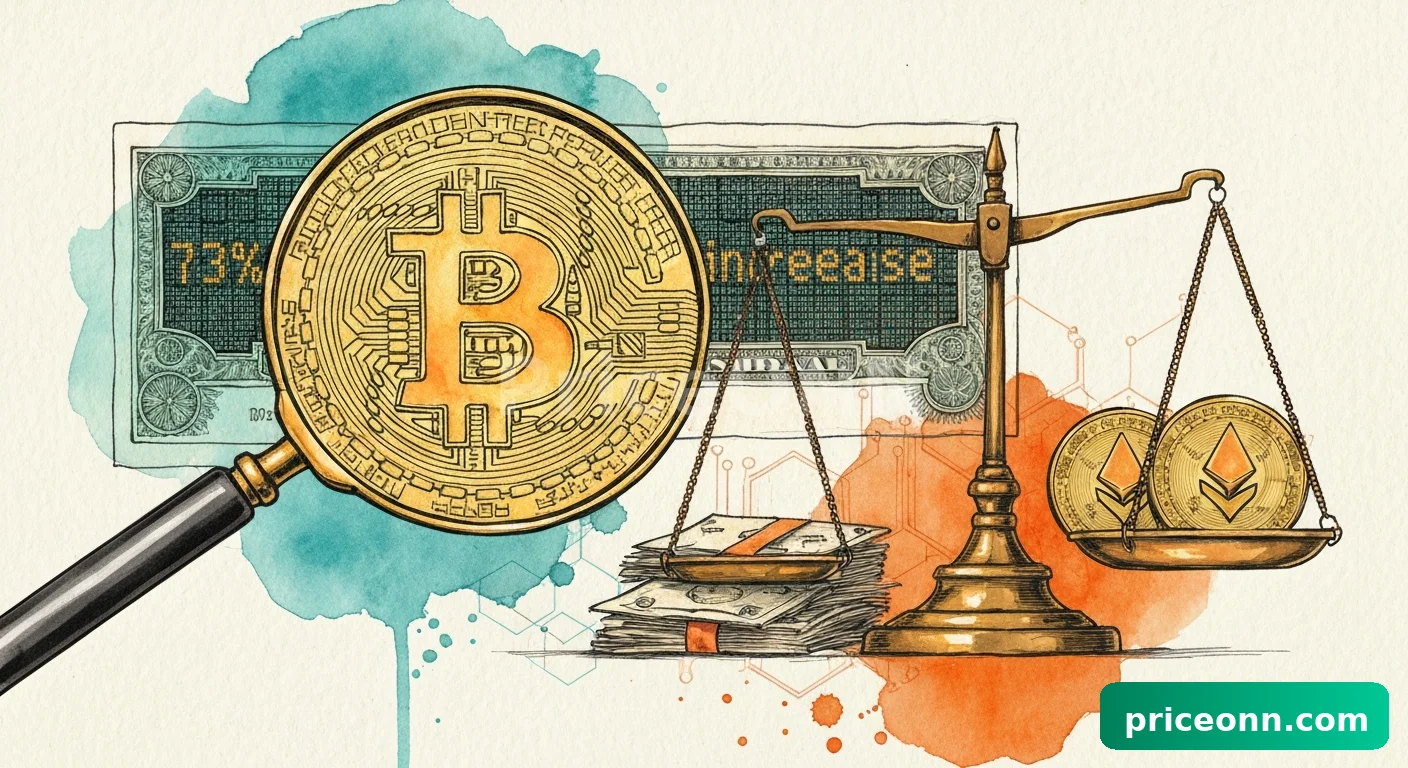


PriceONN