Will Euro Area Inflation Re-accelerate Past 2.5% in March?

Euro Area inflation figures for March are a key focus today, with market data indicating a potential re-acceleration. Analysts anticipate the Harmonised Index of Consumer Prices (HICP) to climb to 2.6% year-on-year, a notable increase from February's 1.9%. This headline jump is largely attributed to rising energy costs, with petrol prices reportedly up 15% month-on-month and diesel prices surging by 28%.
Market Context
The anticipated rise in headline inflation contrasts with expectations for core inflation, which is projected to see a slight dip to 2.3% year-on-year from 2.4%. This divergence is partly explained by the expected reversal of a spike in Italian services inflation that occurred during the Winter Olympics. Despite the expected core inflation moderation, the headline figure's ascent is significant as it feeds into the European Central Bank's (ECB) upcoming April policy meeting considerations. However, it's important to note that this data captures only the initial impacts of recent geopolitical events and potential second-round effects are yet to be fully reflected.
Analysis & Drivers
The primary driver behind the expected surge in headline inflation is the escalating cost of energy. The conflict in Iran has disrupted oil and gas markets, leading to increased prices. National governments are responding with measures such as Poland's petrol price cap and Spain's EUR5 billion energy support package, highlighting the urgency of the situation for policymakers. In parallel, central bank officials, including those from the ECB and the US Federal Reserve, are scheduled to deliver speeches. Markets will be scrutinizing these remarks for any clues on their stance regarding inflation and the potential dampening effect of higher oil prices on economic growth.
In the United States, the February JOLTS job openings report is also on the economic calendar. Following a stronger-than-expected January reading that indicated robust labor demand and declining layoffs, this report will offer further insights into the health of the US labor market. Meanwhile, in Sweden, speeches from Riksbank officials Erik Thedéen and Per Jansson are scheduled. With markets currently pricing in a 50% probability of a rate hike in May, insights into the Riksbank's reaction function to supply shocks will be closely watched.
Trader Implications
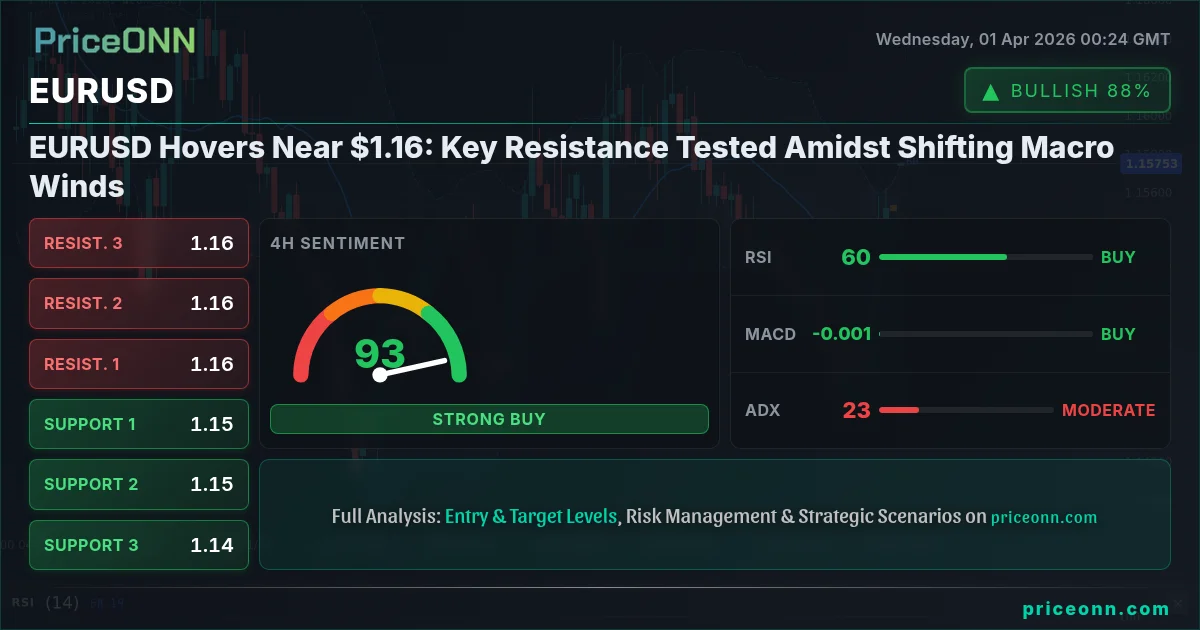
Traders will be closely monitoring the Euro Area inflation data for any surprises that could shift ECB policy expectations. A figure significantly above 2.6% could reinforce hawkish sentiment, potentially supporting the Euro. Conversely, a print closer to or below 2.3% might lead to a reassessment of rate hike probabilities. Key levels to watch for EUR/USD include the immediate resistance around 1.0850 and support at 1.0770. Any hawkish commentary from ECB officials following the inflation release could see the pair test higher levels, while dovish remarks or a weaker inflation print might push it towards the lower end of its recent range. Attention should also be paid to the US JOLTS report, as strong labor market data could bolster the US Dollar and add pressure on EUR/USD.
Outlook
The upcoming Euro Area inflation data represents a critical piece of the puzzle for the ECB. While the March print offers an immediate snapshot, the April inflation figures, due on April 30th, are likely to carry more weight for the ECB's policy decisions. Market participants will be looking for confirmation of whether the current inflationary pressures are transitory or indicative of a more persistent trend, particularly given the ongoing geopolitical uncertainties impacting energy markets. The interplay between energy prices, core inflation, and central bank reactions will dictate the near-term direction for the Euro.
Frequently Asked Questions
What is the expected headline inflation rate for the Euro Area in March?
Market data suggests that the Harmonised Index of Consumer Prices (HICP) for the Euro Area in March is expected to rise to 2.6% year-on-year, up from 1.9% in February. This increase is primarily driven by higher energy prices.
How might the March inflation figures impact the ECB's April meeting?
A headline inflation rate of 2.6% could reinforce expectations of a tighter monetary policy, although the ECB is likely to await the April inflation print for a more comprehensive view. Traders should watch for comments from ECB officials for directional clues.
What are the key levels to watch for EUR/USD following this inflation data?
Key levels for EUR/USD include immediate resistance around 1.0850 and support at 1.0770. A stronger-than-expected inflation print could push the pair towards the upper bound, while weaker data might see it test the lower support levels.
Track markets in real-time
Empower your investment decisions with AI-powered analysis, technical indicators and real-time price data.
Join Our Telegram Channel
Get breaking market news, AI analysis and trading signals delivered instantly to your Telegram.
Join Channel