
Will Geopolitical Tensions Send Oil Prices Past $100 Again?

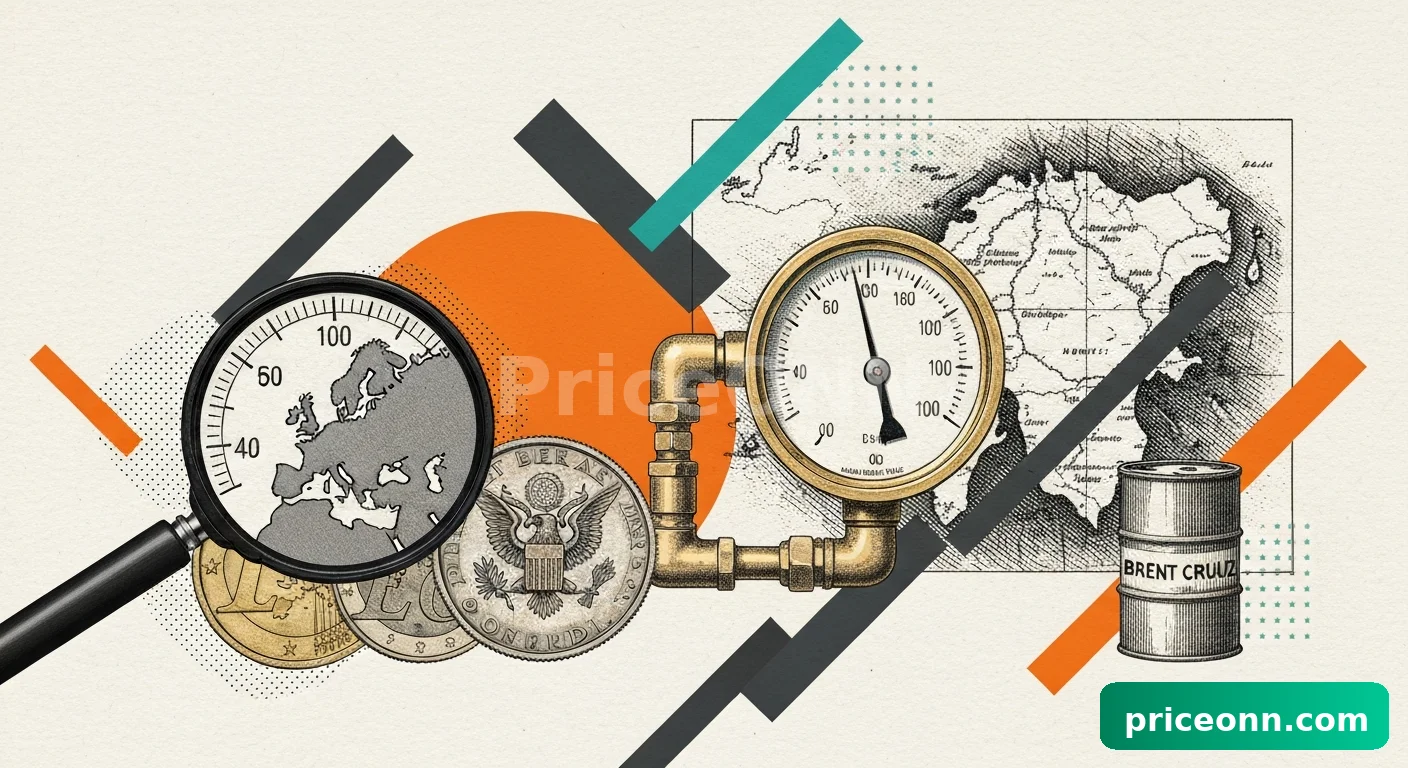
Crude oil prices are once again in focus, with benchmarks like Brent hovering near the $100 per barrel level, sparking renewed concerns across global financial markets. The ongoing geopolitical instability in the Middle East, coupled with the potential for supply disruptions, has created a volatile environment, prompting a reassessment of economic outlooks and central bank policy responses.
Market Context: Supply Fears and Strategic Reserves
The week commenced with oil prices surging at the open before paring some gains as investors grappled with the latest developments from the Middle East. Key events include the bombing of a significant Iranian export hub late Friday and Iran's signaling that the Strait of Hormuz could be restricted for certain nations. In response to these escalating tensions and the threat to critical shipping lanes, the International Energy Agency (IEA) has indicated that oil from strategic reserves could be made available immediately, particularly to Asia, a region heavily reliant on this vital waterway. Japan has already begun releasing oil from its national reserves to mitigate the impact of snarled flows. Despite these measures, the attacks suggest the conflict is far from over, although there has been some temporary relief with tankers managing to transit the Strait of Hormuz.
Analysis & Drivers: Geopolitics and Economic Ripples
The primary driver behind the current oil price surge is the escalating geopolitical risk in the Middle East. The bombing of the Kharg Island export terminal and continued skirmishes underscore the fragility of the region's oil supply chain. While the IEA's readiness to release strategic reserves offers a potential buffer, the underlying supply concerns persist. This has a direct impact on global inflation expectations and central bank policy. Market data shows that higher energy costs are pressuring longer-term bond yields, with U.S. 10-year Treasury yields nearing year-to-date peaks around 4.3%. European yields have also climbed, with 10-year Eurozone swap yields breaching 3% for the first time since late November 2023. Equity markets have reacted negatively, with major indices like the S&P 500 and Eurostoxx 50 experiencing declines. The U.S. dollar has shown strength, perceived as a safe haven amid these uncertainties.
Trader Implications: Watching Key Levels and Central Banks
Traders should closely monitor the $100 per barrel level for Brent crude as a critical psychological and technical resistance. A sustained breach above this mark could trigger further upward momentum, potentially leading to prices testing levels not seen in months. Key factors to watch include:
- Geopolitical Developments: Any further escalation or de-escalation in the Middle East will have an immediate impact on oil prices.
- IEA and National Reserve Releases: The scale and speed of any coordinated release of strategic oil reserves could provide temporary price relief.
- Central Bank Commentary: With inflation concerns rising due to energy costs, central banks' forward guidance on interest rates will be crucial. Analysts note that sustained high oil prices could complicate monetary policy decisions.
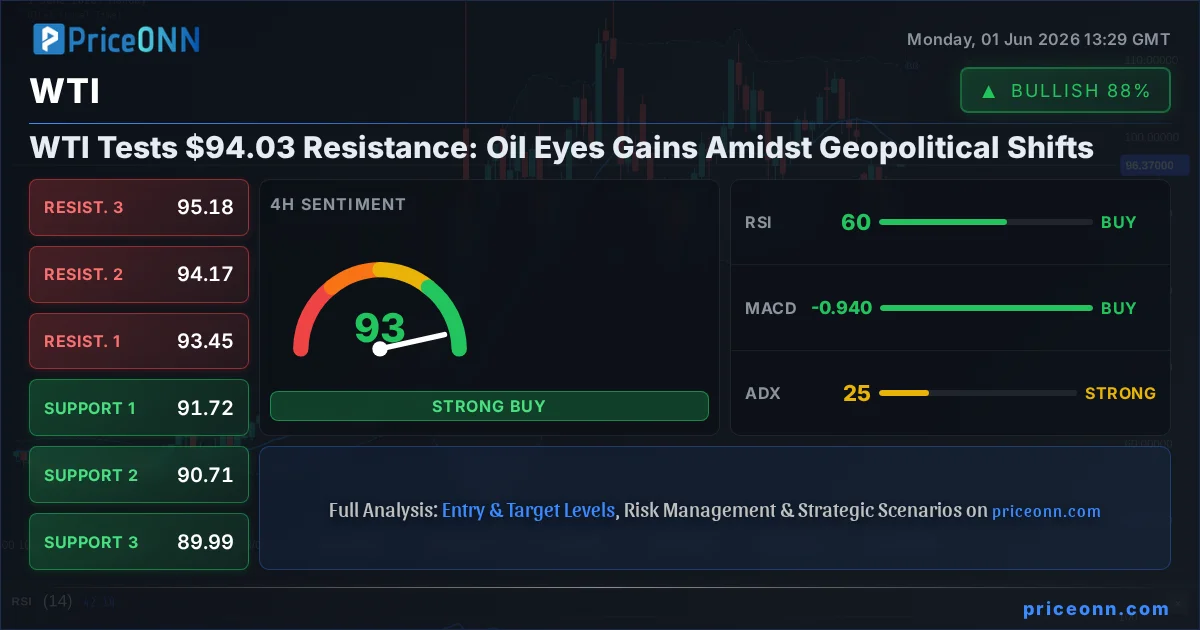
- Technical Indicators: Chart patterns and key support/resistance levels for WTI and Brent crude will be vital for short-term trading strategies. The $98.50 level for US crude (WTI) is a near-term reference point.
The strength of the US dollar is also a significant factor to consider, as a stronger dollar can make oil more expensive for holders of other currencies, potentially dampening demand. Traders should be prepared for increased volatility across energy markets, currency pairs, and equity indices.
Outlook: Uncertainty Remains High
The outlook for oil prices remains highly uncertain, heavily dependent on the trajectory of the Middle East conflict and the effectiveness of measures to ensure supply flow. While the release of strategic reserves may offer short-term respite, the fundamental supply risks persist. The market will be keenly awaiting further statements from central banks regarding their inflation outlook and policy path in light of elevated energy prices. The potential for oil to remain above $100 per barrel in the near to medium term is a significant risk factor for the global economy.
Frequently Asked Questions
What is the current price of Brent crude oil?
As of the latest market data, Brent crude oil is trading near the $100 per barrel mark, reflecting heightened geopolitical tensions and supply concerns.
What actions is the IEA taking regarding oil supply?
The International Energy Agency (IEA) has stated that oil from strategic reserves could be made available immediately to address potential supply disruptions, particularly to Asia. Japan has already begun releasing oil from its national reserves.
How are rising oil prices impacting bond yields?
Rising oil prices are contributing to inflation concerns, which are pushing up longer-term bond yields. For instance, U.S. 10-year Treasury yields are nearing year-to-date peaks around 4.3%, and 10-year Eurozone swap yields have surpassed 3%.
Track markets in real-time
Empower your investment decisions with AI-powered analysis, technical indicators and real-time price data.
Join Our Telegram Channel
Get breaking market news, AI analysis and trading signals delivered instantly to your Telegram.
Join Channel PriceONN News
USDJPY has returned to the area of previous interventions. The ECB is moving towards a rate hike in June. The US dollar retreated on Friday amid new record highs for stock indices and rumours of amendments to the US-Iran agreement. However, tit-for-tat exchanges between the adversaries pushed the dollar index back into the support zone […] The post Yen Braces for a New Storm appeared first on ActionForex.
PriceONN News
Markets are pricing in a potential de-escalation in the US-Iran conflict, leading to a significant drop in crude oil prices and a weakening US Dollar as diplomatic efforts appear to be gaining traction.
PriceONN News
The USD/JPY pair is flirting with the 160 level as stalled US-Iran negotiations and hawkish Federal Reserve rhetoric fuel inflation concerns. Traders are closely watching upcoming US Non-Farm Payrolls and Eurozone CPI data.
PriceONN News
EUR/USD stalled below 1.1660 as the US Dollar defied expectations, refusing to weaken despite reports of a US-Iran ceasefire extension. Market participants remain cautious, awaiting concrete confirmation and assessing lingering inflationary pressures.
PriceONN News
EUR/USD closed at 1.1640, showing resilience amid mixed signals. Easing US-Iran tensions initially pressured the dollar, but persistent inflation concerns and political ratification hurdles are keeping the greenback surprisingly steady.
PriceONN News
The EUR/USD faces headwinds as core US PCE inflation unexpectedly rose to 3.3% year-over-year, reinforcing a 'higher for longer' interest rate narrative. Meanwhile, a US-Iran ceasefire extension boosted global risk appetite, potentially drawing capital away from safe-haven currencies.
PriceONN News
EUR/USD stabilized around 1.1640 as reports of a US-Iran ceasefire extension and potential Strait of Hormuz reopening eased inflation fears. However, the US Dollar's resilience suggests lingering caution among forex traders.
PriceONN News
USD/CAD is showing signs of potential upward movement as Canada's economy grapples with a significant slowdown, marked by weak domestic demand and stalled investment, while trade negotiations loom large.
PriceONN News
USD/JPY is testing the critical 160 level as stalled US-Iran negotiations and hawkish Federal Reserve rhetoric fuel inflation concerns and a potential for further rate hikes. Traders are closely watching upcoming US Non-Farm Payrolls and Eurozone CPI data for direction.
PriceONN News
The US Dollar experienced a notable dip as a renewed ceasefire between the US and Iran spurred a rally in global equities, particularly in tech stocks. However, persistent core PCE inflation at 3.3% YoY continues to fuel 'higher for longer' rate expectations.
PriceONN News
The US Dollar experienced a notable decline last week as markets priced in a potential diplomatic resolution to the US-Iran conflict, leading to a drop in oil prices and Treasury yields. This shift in sentiment suggests a move away from stagflation fears towards a more stable economic outlook.
PriceONN News
USD/CAD faces pressure as Canada's economy shows signs of stalling, with Q1 GDP contracting 0.1% and domestic demand weakening. This comes as trade negotiations and geopolitical shifts add layers of uncertainty.