
Will Naphtha Scarcity Force Japanese Petrochemical Plants to Cut Gas Demand?
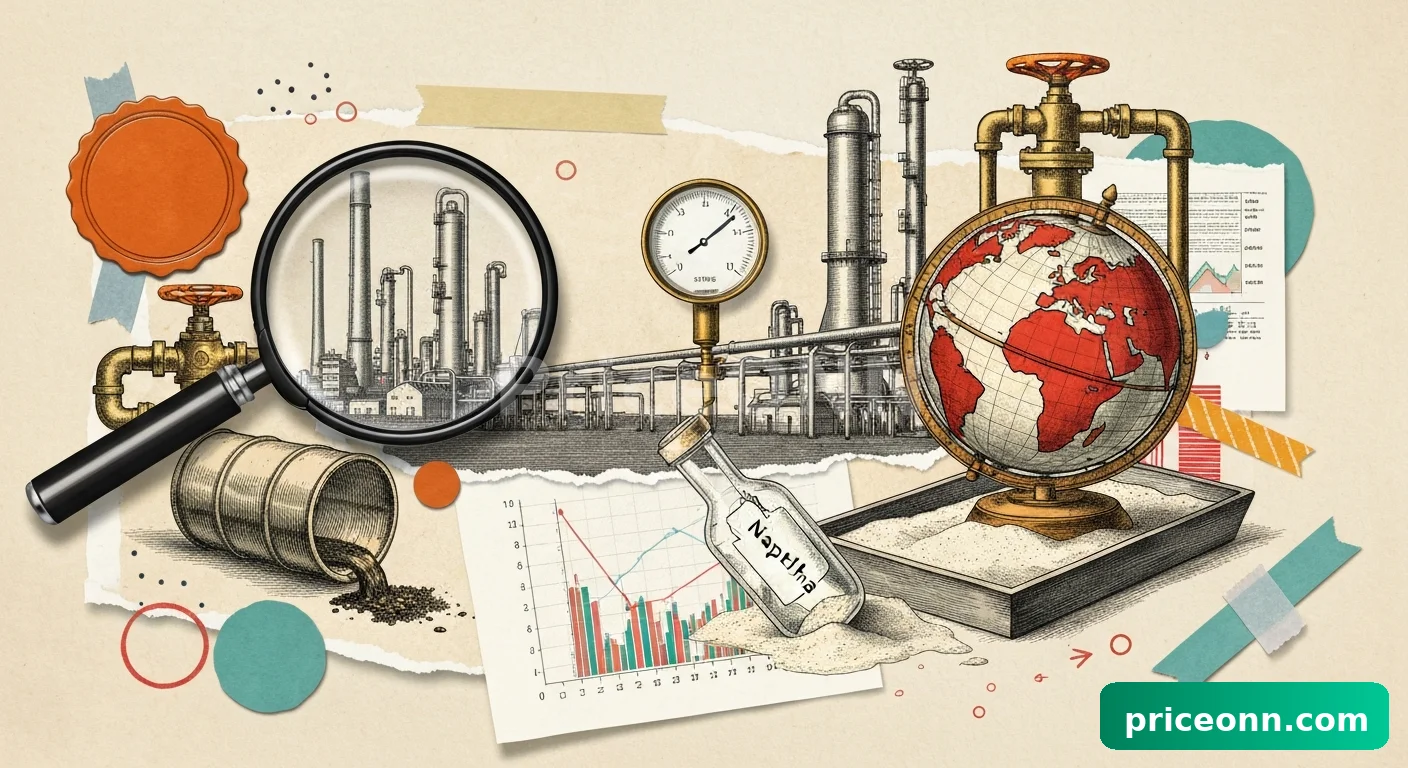
Escalating geopolitical tensions in the Middle East are sending shockwaves through Asia's petrochemical supply chains, prompting fears of reduced industrial gas demand in Japan. While the country's liquefied natural gas (LNG) imports have largely remained unaffected, a burgeoning shortage of naphtha, a critical feedstock, is forcing Japanese petrochemical producers to consider scaling back operations.
Market Context
Executives from major Japanese gas suppliers have openly expressed apprehension regarding the potential impact of these production curbs on their industrial gas sales. Shinichi Koga, a senior executive at Tokyo Gas, noted on Wednesday that a significant portion of their customer base relies on naphtha and other petroleum products for manufacturing. Consequently, any operational slowdown by these clients due to feedstock scarcity would directly translate into diminished gas sales for the company. This situation underscores the intricate link between global energy markets and industrial output, where a constraint on a vital input can create widespread ripple effects.
Analysis & Drivers
The petrochemical industry across Asia is heavily dependent on feedstocks originating from the Persian Gulf, including naphtha, liquefied petroleum gas (LPG), and methanol. The current conflict in the Middle East has triggered a significant supply shock, with the Gulf region serving as a particularly vulnerable nexus for global energy transit. Industry analysis indicates that between 60% and 70% of Asia's naphtha supply typically transits through the Strait of Hormuz, a crucial maritime chokepoint. This geographical reality renders the region highly susceptible to disruptions stemming from any interference with shipping lanes.
Japanese and South Korean companies, prominent players in the Asian petrochemical sector, generally maintain relatively lean inventories of naphtha and LPG, often sufficient for only a few weeks of continuous production. The ongoing supply crisis is rapidly depleting these existing reserves, leaving manufacturers with little recourse but to implement production curtailments. Analysts suggest that a prolonged interruption to shipping routes through the Strait of Hormuz could exacerbate this situation, leading to more severe shortages and potentially higher feedstock prices for the region's manufacturers.
Trader Implications
Traders are advised to monitor developments closely regarding Middle Eastern shipping routes and any official pronouncements from major petrochemical producers in Japan and South Korea regarding output adjustments. Key data points to watch include naphtha import volumes into Asia, inventory levels at major industrial complexes, and the price spread between crude oil and petrochemical derivatives. A sustained reduction in naphtha availability could lead to increased demand for alternative feedstocks or prompt a shift in production strategies, potentially impacting natural gas and LPG markets.
For traders holding positions in natural gas or LPG, the potential for reduced industrial demand from the petrochemical sector presents a bearish signal. Conversely, any significant increase in naphtha prices due to supply constraints could eventually filter through to broader energy markets. Key support levels for Japanese natural gas spot prices should be watched, alongside any indications of companies seeking alternative energy sources to compensate for naphtha shortages.
Outlook
The immediate outlook for Asian petrochemical producers hinges on the duration and severity of the Middle East conflict and its impact on maritime transit. If supply disruptions persist, further production cuts and potentially higher feedstock costs are likely. This could lead to a noticeable, albeit perhaps temporary, decrease in industrial natural gas consumption in Japan. Market participants should remain vigilant for any signs of de-escalation in the Middle East or strategic shifts by petrochemical firms to secure alternative feedstock supplies, which could alter the near-term price trajectory.
Frequently Asked Questions
What is naphtha and why is it critical for Japanese petrochemicals?
Naphtha is a liquid petroleum product derived from crude oil distillation, serving as a primary feedstock for the petrochemical industry. In Japan, it is essential for producing plastics, synthetic fibers, and other chemicals. Current supply constraints threaten the operational capacity of plants that rely on it.
How much of Asia's naphtha supply is at risk?
Industry reports indicate that a significant portion, estimated between 60% and 70%, of Asia's naphtha supply transits through the Strait of Hormuz. Disruptions in this critical shipping lane directly endanger these volumes.
What is the potential impact on natural gas prices?
If Japanese petrochemical plants scale back operations due to naphtha shortages, their demand for industrial natural gas could decrease, potentially exerting downward pressure on spot natural gas prices in the region. However, sustained high crude oil prices could offset this effect.
Track markets in real-time
Empower your investment decisions with AI-powered analysis, technical indicators and real-time price data.
Join Our Telegram Channel
Get breaking market news, AI analysis and trading signals delivered instantly to your Telegram.
Join Channel

PriceONN