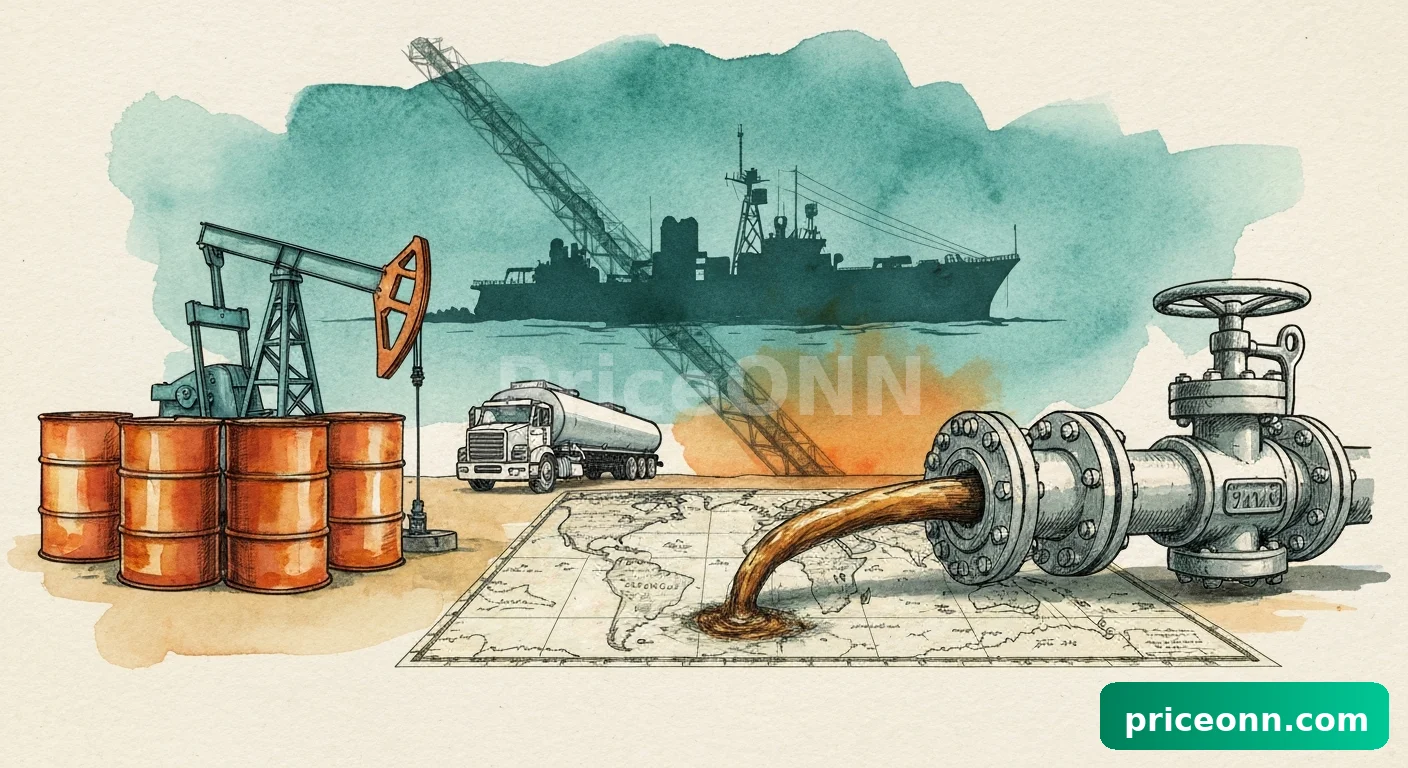
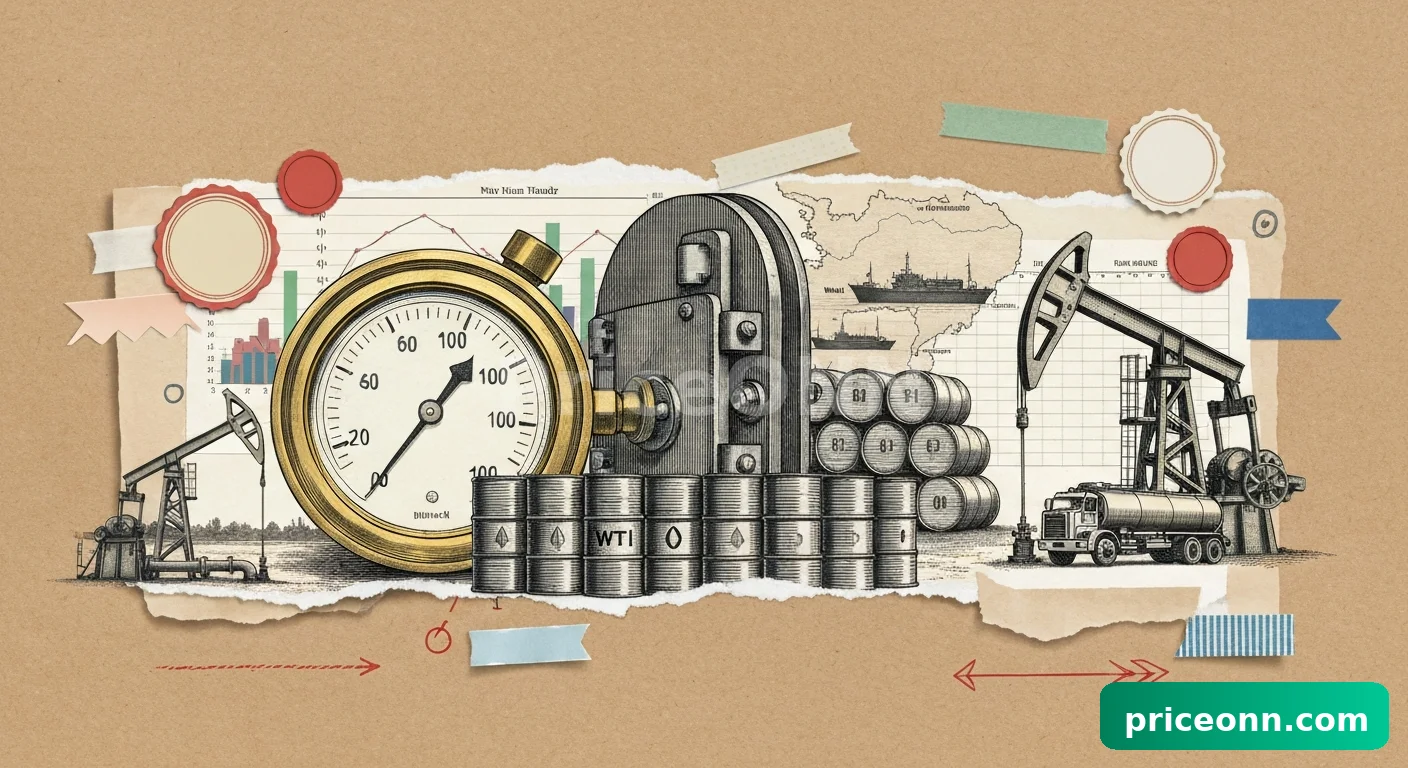
WTI Crude Oil Soars Above $95 as Strait of Hormuz Tensions Escalate
West Texas Intermediate (WTI) crude oil has surged, trading above $95 a barrel in early Asian trading hours. The catalyst is the escalating conflict involving the United States, Israel, and Iran, which has led to concerns about the closure of the strategically vital Strait of Hormuz.
Market Context
Crude oil prices have been under considerable pressure due to the ongoing geopolitical tensions. WTI crude for April delivery was last seen trading up by $7.45, or 8.54%, at $94.70 per barrel. The Middle East war, which began following combined attacks on Iran, has entered its thirteenth day with no signs of de-escalation. The new Iranian leadership has taken a hard line, vowing revenge and threatening U.S. allies, further intensifying the situation.
Analysis & Drivers
The escalating tensions are centered around the Strait of Hormuz, a critical chokepoint for global oil supplies. This narrow waterway, spanning just 55 kilometers between Iran and Oman, serves as the transit route for approximately one-fifth of the world's oil shipments, with nearly 13 million barrels of oil per day passing through it. Iran has threatened to block the Strait, using it as leverage to pressure the U.S. and Israel to halt their attacks. This threat has sent shockwaves through the oil market, driving prices upward.
The new Iranian Supreme Leader's address, delivered via state television, further fueled the market's anxiety. In his message, he expressed gratitude to the “Resistance Front,” including Yemen's Houthi militia and Lebanon's Hezbollah, and affirmed Iran's unwavering resolve to resist with “full force.” He also asserted that Iran would seek compensation for war-inflicted damages and maintain the blockade of the Strait of Hormuz. These statements indicate a hardening of Iran's position and a commitment to escalating the conflict, which directly impacts global oil supply.
Adding to the complexity, reports have surfaced regarding Iran laying water mines near the Strait of Hormuz. While the U.S. has issued warnings against such actions, the potential for disruption remains high. The possibility of a complete or partial closure of the Strait would severely restrict oil flow, leading to significant price spikes and potential global economic consequences.
Trader Implications
For traders, the current environment presents both opportunities and risks. The heightened volatility in crude oil prices requires a cautious approach, with a focus on risk management. Here are key factors to consider:
- Monitor Geopolitical Developments: Closely track news and statements from Iran, the U.S., and other key players in the region. Any escalation or de-escalation could trigger significant price movements.
- Watch Inventory Data: Pay attention to weekly inventory reports from the American Petroleum Institute (API) and the Energy Information Administration (EIA). Declining inventories could signal increased demand and further price increases, while rising inventories might indicate oversupply and potential price pullbacks.
- Assess Technical Levels: Identify key support and resistance levels for WTI crude oil. A break above resistance at $96 could signal further upside potential, while a drop below support at $93 might indicate a possible correction.
- Consider Options Strategies: Given the uncertainty, consider using options strategies, such as straddles or strangles, to profit from price volatility regardless of direction.
Traders should also be aware of the potential for sudden and unexpected events that could significantly impact prices. The market is highly sensitive to any news related to the Strait of Hormuz, Iranian actions, or U.S. responses.
The situation remains fluid. Should Iran follow through on its threats to block the Strait of Hormuz, prices could spike dramatically, potentially exceeding $100 per barrel in the short term. Conversely, any sign of de-escalation or a diplomatic breakthrough could lead to a sharp correction. Traders should remain nimble and prepared to adjust their positions accordingly.
Outlook
The outlook for crude oil prices remains highly uncertain, contingent on geopolitical developments. Upcoming events to watch include further statements from Iranian leaders, U.S. responses, and any diplomatic efforts to de-escalate the conflict. Market sentiment is likely to remain bullish as long as the threat of disruption to oil supplies persists. However, a resolution to the conflict could quickly shift sentiment and lead to a significant price decline. The next few weeks will be critical in determining the direction of crude oil prices.
Track markets in real-time
Empower your investment decisions with AI-powered analysis, technical indicators and real-time price data.
Join Our Telegram Channel
Get breaking market news, AI analysis and trading signals delivered instantly to your Telegram.
Join Channel