
Can the Dollar Reclaim Strength Amidst Rising Oil and Fed Inflation Fears?
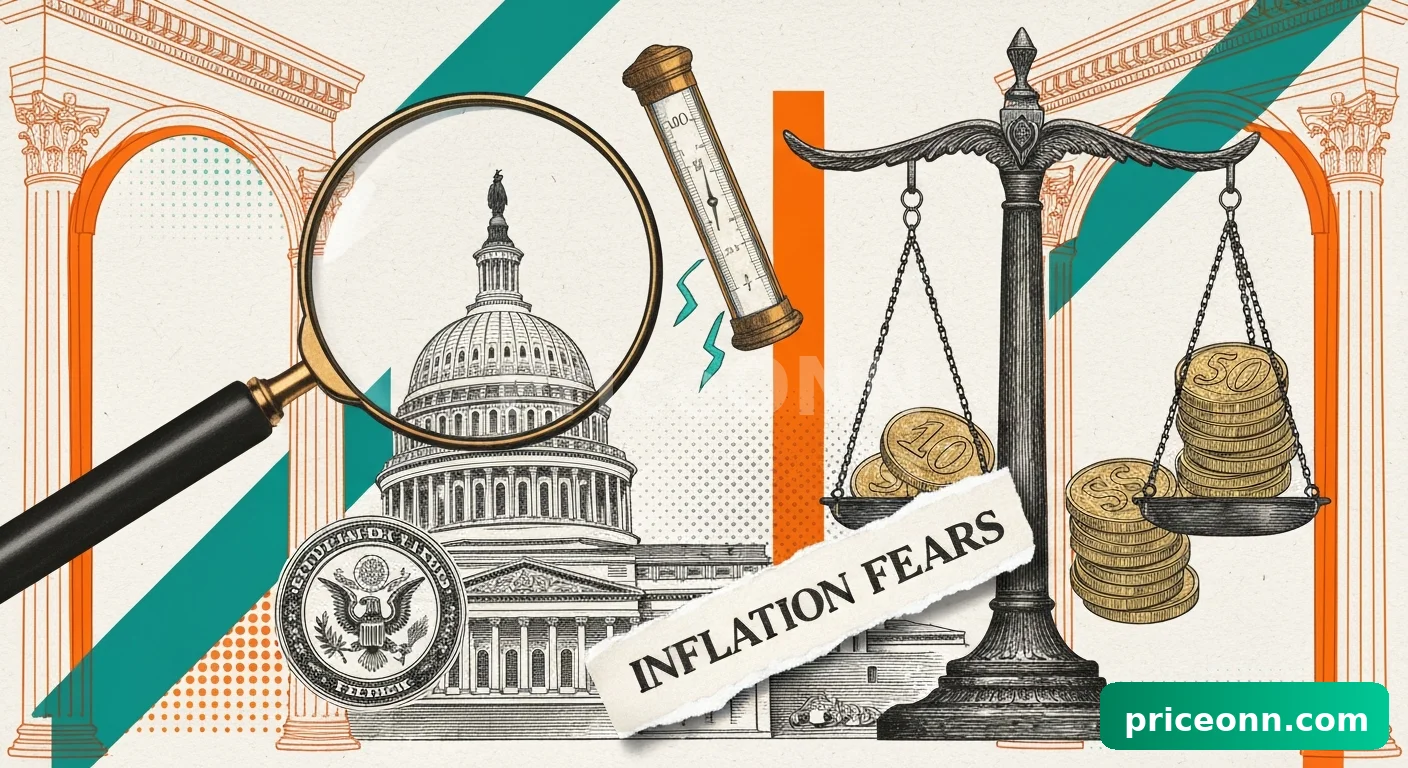
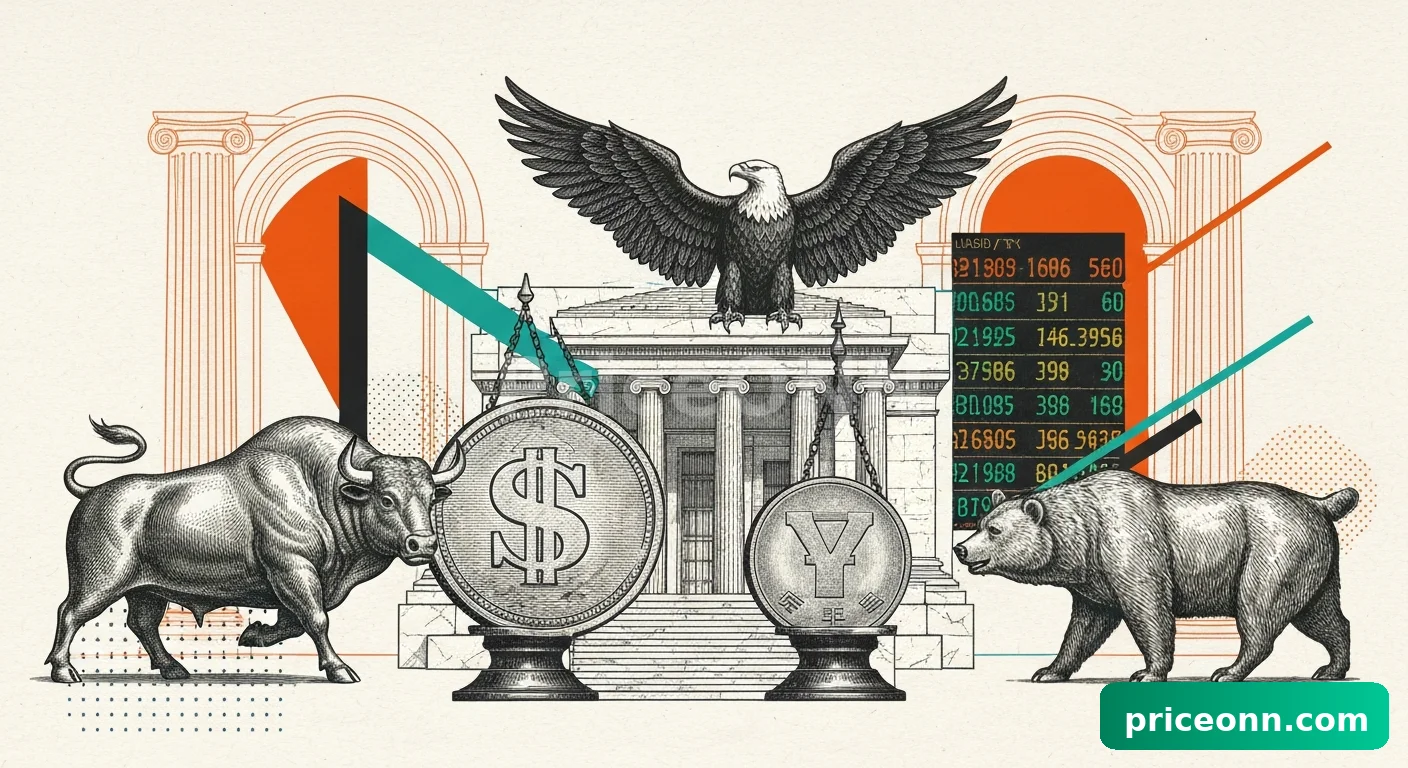
The US Dollar is navigating a complex market landscape, grappling with a dual threat of surging oil prices driven by geopolitical conflict and a Federal Reserve increasingly focused on persistent inflation risks. This combination is fostering a risk-off environment, placing downward pressure on riskier assets and raising questions about the Dollar's immediate trajectory.
Market Context
Global markets experienced a notable shift towards risk aversion this week. Initially, a sharp spike in crude oil prices, fueled by escalating energy conflict, triggered a selloff in US equities. However, the late-session decline also reflected market participants digesting the Federal Reserve's latest messaging. Analysts note that the Fed's increased emphasis on inflation risks, particularly in light of geopolitical uncertainties, is a significant driver.
The conflict involving Iran has entered a more perilous phase, with reports indicating targeted attacks on critical energy infrastructure. Following initial reports of Israeli strikes on Iran's South Pars gas field, retaliatory actions were allegedly directed at facilities in Saudi Arabia, the UAE, and Qatar, including the vital Ras Laffan LNG hub. This strategic targeting of core supply nodes suggests a structural increase in the energy risk premium, implying that elevated oil prices could become a persistent feature even if direct escalation subsides.
Against this backdrop, the Federal Reserve maintained its benchmark interest rate at the March meeting, as widely anticipated. However, the accompanying economic projections revealed an upward revision to the inflation outlook. The median estimate for the Personal Consumption Expenditures (PCE) price index in 2026 was raised to 2.7%, signaling policymakers' perception of a more entrenched inflationary path than previously forecast. Fed Chair Jerome Powell underscored this sentiment, stating that progress on inflation would continue but at a slower pace than hoped. Crucially, Powell emphasized that the timing of any potential rate cuts remains contingent on observed disinflationary progress, indicating the central bank's reluctance to ease policy prematurely in the face of rising inflation pressures.
Analysis & Drivers
The interplay between rising energy costs and the Fed's policy stance presents a significant challenge for the US Dollar. Geopolitical instability in major oil-producing regions directly translates to higher energy prices, a key component of inflation. Market data shows that oil prices have seen a substantial increase, adding to existing inflationary pressures. This supply shock is something monetary policy is inherently ill-equipped to address directly, yet it complicates the Fed's mandate.
The Federal Reserve's decision to slightly increase its inflation forecast, while keeping the median projection for rate cuts this year unchanged at one 25 basis point reduction, highlights a cautious approach. The median federal funds rate projection for year-end 2026 remains at 3.375%, implying a single cut. This suggests that the central bank is prioritizing the inflation fight over aggressively stimulating growth, especially when inflation is being exacerbated by external supply shocks. Furthermore, the Fed acknowledged increased uncertainty in its projections, with risks skewed towards higher inflation and unemployment, a subtle nod to potential stagflationary concerns.
The Dollar's reaction will likely be influenced by the market's interpretation of the Fed's resolve. If inflation remains sticky and geopolitical risks continue to elevate oil prices, the Fed may be forced to maintain a hawkish bias for longer, potentially supporting the Dollar. Conversely, a significant slowdown in economic growth, exacerbated by high energy costs, could eventually force a policy pivot, weakening the greenback.
Trader Implications
Traders should closely monitor the following key levels and factors:
- Crude Oil Prices: Continued upward momentum in oil prices above $85 per barrel for WTI could signal further inflationary pressure and risk aversion, potentially benefiting the Dollar in the short term through safe-haven flows, but also increasing the risk of stagflation.
- Federal Reserve Speeches: Any further commentary from Fed officials regarding inflation persistence or the conditions for rate cuts will be critical. A more hawkish tone could support USD strength, while any hint of concern about growth could weigh on it.
- Risk Sentiment: The broader market's appetite for risk will be a key determinant. A sustained risk-off mood, characterized by declines in equity markets and increased demand for safe-haven assets, could see the Dollar find support.
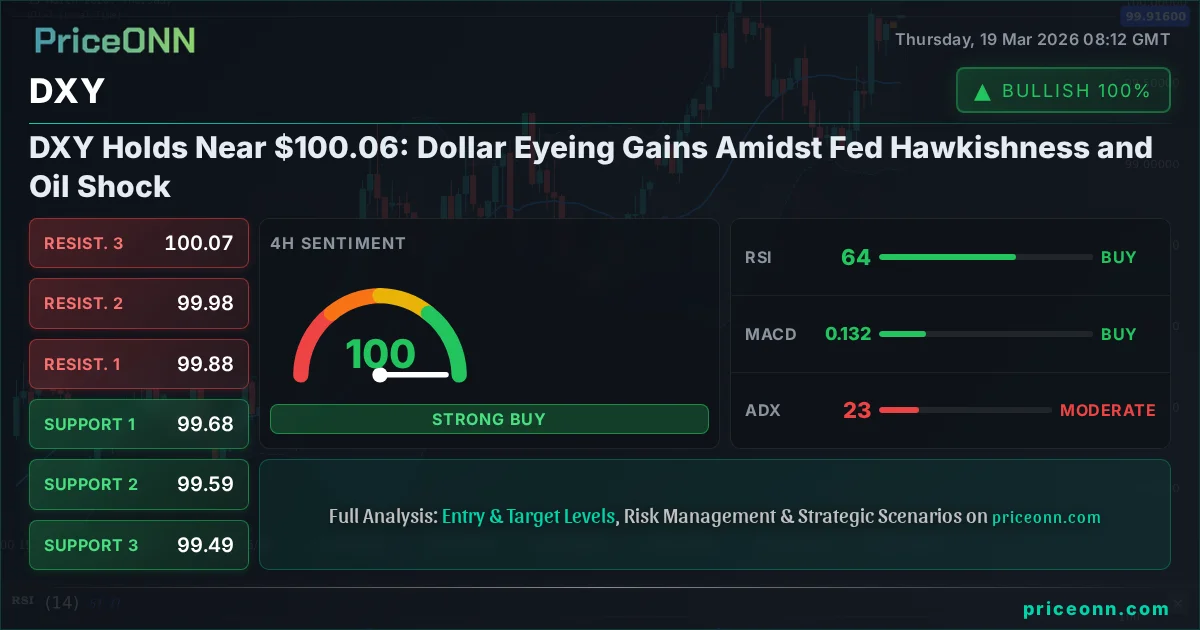
- Key Support/Resistance for USD: For the Dollar Index (DXY), immediate resistance could be seen around the 105.00 level, while support might be found near 103.50.
The immediate implication is that the Dollar may find a floor amidst the current uncertainty, as the Fed's inflation concerns and geopolitical risks deter aggressive short-dollar positioning. However, the underlying economic growth narrative remains fragile, presenting a ceiling for significant Dollar appreciation.
Outlook
Looking ahead, the Dollar's path will be dictated by the evolving balance between inflationary pressures and economic growth concerns, alongside the trajectory of the geopolitical conflict. If energy prices continue to climb and inflation proves stubborn, the Fed's hawkish stance could provide a supportive backdrop for the Dollar. However, the risk of sustained high energy costs dampening economic activity remains a significant counter-argument. Upcoming economic data, particularly inflation and employment figures, will be crucial in shaping market expectations for Fed policy and, consequently, the Dollar's direction.
Frequently Asked Questions
What is the current inflation forecast from the Federal Reserve for 2026?
The Federal Reserve's median projection for PCE inflation in 2026 has been revised upward to 2.7%, indicating a more persistent inflation outlook than previously anticipated by policymakers.
How many interest rate cuts is the Fed expected to implement in 2026?
The median projection from FOMC participants suggests only one 25 basis point interest rate cut in 2026, with the year-end federal funds rate expected to be around 3.375%.
What is the key risk factor for the US Dollar moving forward?
The primary risk for the US Dollar is the potential for sustained high energy prices, driven by geopolitical conflict, to significantly dampen economic growth. This could force the Fed to reconsider its hawkish stance, thereby weakening the dollar, despite current inflation concerns.
Track markets in real-time
Empower your investment decisions with AI-powered analysis, technical indicators and real-time price data.
Join Our Telegram Channel
Get breaking market news, AI analysis and trading signals delivered instantly to your Telegram.
Join Channel
PriceONN