Can the U.S. Still Control Soaring Oil Prices After Draining Emergency Tools?

International crude oil prices are testing the resolve of the U.S. administration, which finds itself with significantly fewer emergency tools to temper the surge. Consumers are already paying more at the pump, with average gasoline prices climbing by approximately $0.80 per gallon over the last month alone. This sharp increase highlights the growing pressure on global energy markets and consumer wallets.
Market Context
The current price shock has prompted significant, albeit limited, interventions from the U.S. government. Last week, the nation participated in a coordinated release from its Strategic Petroleum Reserve (SPR), a move that was part of a record-high injection into the market orchestrated by the International Energy Agency (IEA). This action was intended to provide immediate supply relief. Furthermore, a temporary one-month waiver was issued, allowing for the purchase of sanctioned Russian oil without immediate repercussions, aimed at easing supply bottlenecks.
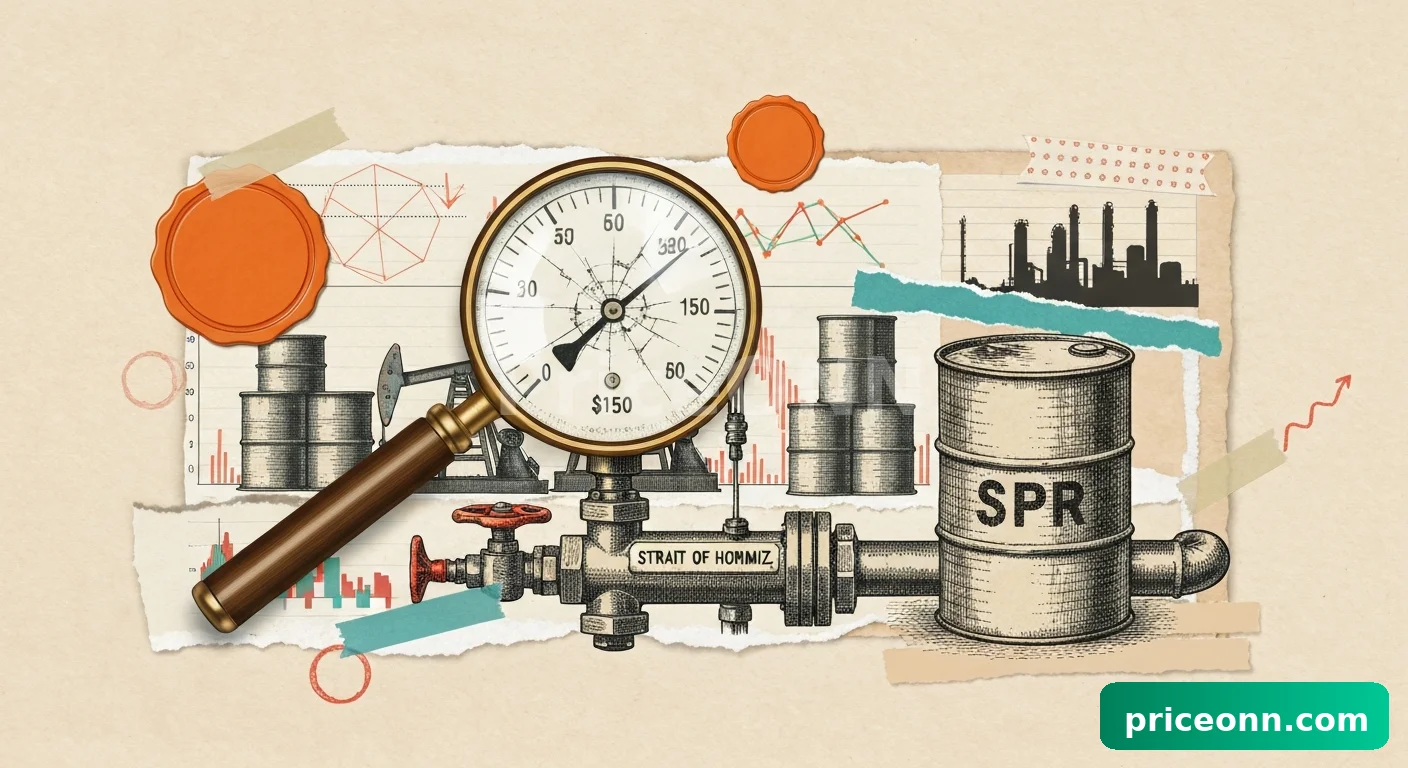
However, these measures represent a dwindling arsenal. The effectiveness of these interventions is being closely watched as geopolitical tensions continue to simmer. The U.S. has also focused on diplomatic efforts, urging allies to help ensure safe passage through critical maritime chokepoints, such as the Strait of Hormuz. Despite assurances and efforts by some nations, such as Saudi Arabia rerouting crude to Red Sea terminals, the fundamental reliance on these vital shipping lanes remains a significant vulnerability.
Analysis & Drivers
The primary driver behind the current oil price volatility appears to be a confluence of supply-side concerns and geopolitical instability. The Strait of Hormuz, a critical artery for global oil transit, accounts for roughly 17 million barrels per day of crude and refined product flow. Disruptions or even the threat of disruptions in this region have an outsized impact on market sentiment and pricing. While the administration has explored options like offering risk insurance and escort services for tankers, these have not yet fully materialized into tangible security guarantees that would alleviate shipping hesitancy.
The exhaustion of readily available emergency tools, such as the SPR, means that future price spikes may face a less robust immediate response. The SPR has been drawn down, and waivers for sanctioned oil are temporary. This leaves the market more exposed to supply shocks and reliant on longer-term production adjustments or diplomatic resolutions. Analysts note that the ability of the U.S. to influence prices is increasingly dependent on broader international cooperation and the easing of geopolitical tensions rather than direct domestic intervention.
Trader Implications
Traders should closely monitor the geopolitical developments surrounding key oil transit routes, particularly the Strait of Hormuz. Any escalation or de-escalation in regional tensions will likely translate into significant price swings for crude oil benchmarks like Brent and WTI. The current market dynamic suggests a heightened sensitivity to supply disruptions, potentially leading to increased volatility.
Key price levels to watch include the recent highs for crude oil futures. A sustained breach above these levels, without a corresponding increase in supply or resolution of geopolitical risks, could signal further upward momentum. Conversely, a clear de-escalation in the Strait of Hormuz or a significant increase in production from non-sanctioned sources could provide downward pressure. Given the limited emergency options available to the U.S., traders may need to rely more heavily on technical analysis and supply-demand fundamentals, anticipating sharper reactions to news events.
Outlook
The outlook for oil prices remains precarious, with the U.S. administration's capacity for direct intervention significantly curtailed. Future price stability will likely hinge on diplomatic successes in de-escalating regional conflicts and ensuring the free flow of oil through critical chokepoints. Without these factors, the market may remain susceptible to sharp price increases driven by supply fears, with consumers continuing to bear the brunt of higher energy costs.
Frequently Asked Questions
What is the current impact on U.S. gasoline prices?
U.S. gasoline prices have risen by approximately $0.80 per gallon in the past month, directly reflecting the surge in international crude oil prices and supply concerns.
What emergency tools has the U.S. already used?
The U.S. has recently tapped its Strategic Petroleum Reserve (SPR) as part of a larger international release and issued a temporary one-month waiver allowing the purchase of sanctioned Russian oil to alleviate immediate supply pressures.
What is the significance of the Strait of Hormuz for oil markets?
The Strait of Hormuz is a critical chokepoint through which an estimated 17 million barrels per day of crude oil and refined products typically flow, making any disruption there a major catalyst for global price volatility.
Track markets in real-time
Empower your investment decisions with AI-powered analysis, technical indicators and real-time price data.
Join Our Telegram Channel
Get breaking market news, AI analysis and trading signals delivered instantly to your Telegram.
Join Channel