Will Oil Prices Remain Above $95 Amid Hormuz Tensions and Credit Crunch Fears?
West Texas Intermediate (WTI) crude oil is consolidating gains, trading around $96.10 per barrel during European hours on Tuesday. This stabilization occurs as critical geopolitical flashpoints, particularly concerning the Strait of Hormuz, continue to disrupt global energy flows, while analysts warn of wider financial instability.
Market Context
The energy market remains on edge as European Union foreign ministers have rejected calls from U.S. President Donald Trump to directly participate in military efforts to secure the Strait of Hormuz. Instead, European nations are focusing on bolstering their own regional military installations, signaling a divergence in strategic priorities and a reluctance to escalate involvement in the Middle East conflict. This decision, made amidst rising tensions, underscores the fragility of global energy supply chains. The EU's Operation Aspides, designed to protect commercial shipping in the Red Sea, has seen its mandate debated for potential expansion, but a direct role in the Strait of Hormuz remains contentious, with some European officials questioning the efficacy of limited naval presence against established powers.
Analysis & Drivers
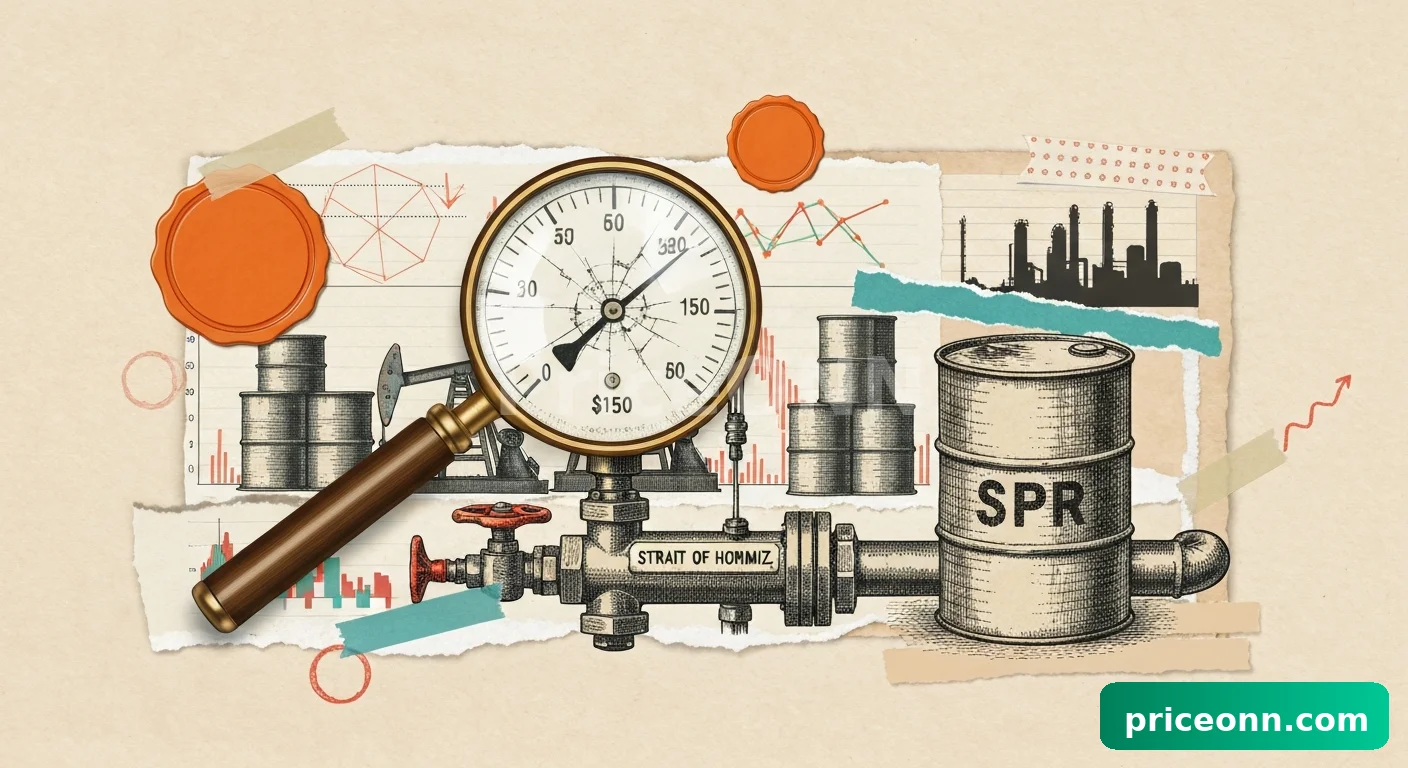
The primary catalyst for sustained high oil prices is the ongoing geopolitical standoff in the Persian Gulf. The Strait of Hormuz is a critical chokepoint for global oil transit, and any disruption or perceived threat significantly impacts supply expectations. Market data indicates that WTI crude has managed to recover recent losses, holding firm above the $96.00 mark, reflecting persistent supply fears. Beyond immediate supply concerns, a deeper financial risk is emerging. Analysts at Standard Chartered have revised their outlook, predicting that oil prices will remain elevated for a prolonged period. This forecast is driven not only by geopolitical instability but also by the potential disruption of the petrocapital cycle. This cycle, the continuous flow of investment capital from oil-exporting nations into global financial markets, is now under severe strain. Its interruption could lead to a significant constriction of liquidity, potentially triggering a global credit crunch, a phenomenon with historical parallels to the debt crisis of 1982, which was partly influenced by oil price surges.
Trader Implications
Traders should closely monitor developments in the Strait of Hormuz and any further statements from European and U.S. officials regarding their involvement in regional security. Key price levels for WTI crude include immediate support around $95.00 and resistance at $98.50. A sustained breach above $98.50 could signal further upside momentum, potentially targeting the $100 mark. Conversely, any de-escalation in tensions or a clearer path to de-congesting the Strait could lead to price pullbacks. The broader financial implications of a potential credit crunch add another layer of complexity, suggesting that volatility could increase across asset classes. Investors should be aware of the correlation between oil prices, global liquidity, and credit market conditions. The upcoming weekly oil inventory reports from the API and EIA will also be crucial for short-term price direction, with data showing declining inventories likely to support prices.
Outlook
The outlook for oil prices remains decidedly bullish in the short to medium term, underpinned by persistent geopolitical risks and the potential for a significant credit event. While the market digests the strategic differences between key global powers regarding the Strait of Hormuz, the fundamental supply concerns are likely to keep prices elevated. Traders should remain vigilant for any shifts in the petrocapital flow, as this could have cascading effects on global financial markets and commodity prices. Upcoming OPEC+ meetings and official production quota decisions will also be a key factor to watch as the year progresses.
Frequently Asked Questions
What is the current price of WTI crude oil?
As of Tuesday's European trading session, West Texas Intermediate (WTI) crude oil is trading around $96.10 per barrel, holding onto recent gains amid geopolitical concerns.
What are the main factors driving current oil prices?
The primary drivers are escalating geopolitical tensions surrounding the Strait of Hormuz, which threaten oil supply routes, and growing fears of a global credit crunch stemming from disruptions to petrocapital flows. Analysts predict prices will remain higher for longer.
What are the implications of a potential global credit crunch for oil prices?
A credit crunch, caused by a severe reduction in investment capital from oil-producing nations, could lead to reduced liquidity in financial markets. While this might typically dampen demand, the ongoing supply-side disruptions and geopolitical risk premium in oil could create complex price dynamics, potentially keeping prices elevated despite broader economic headwinds.
Track markets in real-time
Empower your investment decisions with AI-powered analysis, technical indicators and real-time price data.
Join Our Telegram Channel
Get breaking market news, AI analysis and trading signals delivered instantly to your Telegram.
Join Channel