U.S. Has Used Up Most Options to Soften the Oil Price Shock
Limited Levers Remain for Oil Price Volatility
The current surge in international crude oil prices has already seen the U.S. administration exhaust many of its immediate tools for market intervention. American consumers are feeling the pinch directly, with gasoline prices climbing by approximately $0.80 per gallon over the past month. This sharp increase underscores the growing pressure on energy markets.
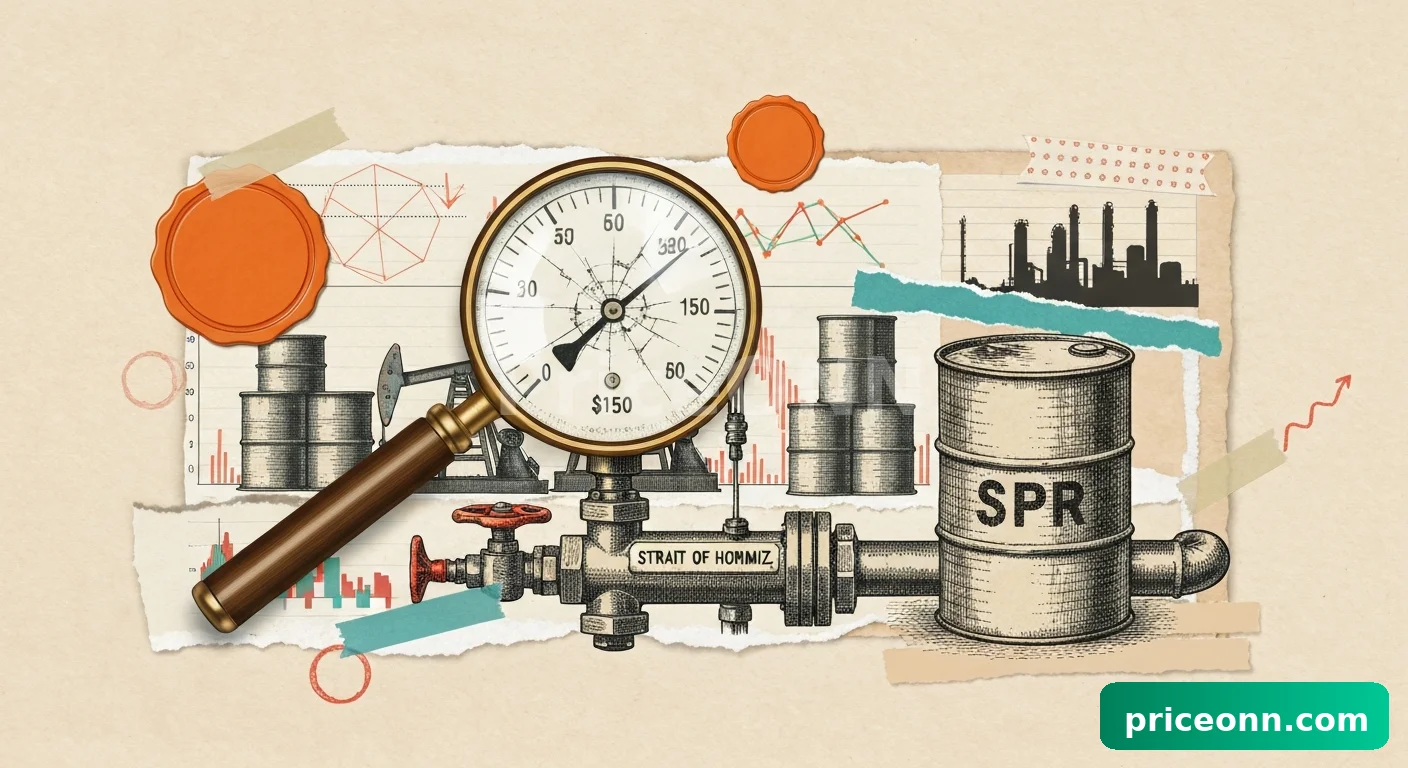
In a significant move last week, the United States drew upon its Strategic Petroleum Reserve (SPR). This action was part of a larger, historically unprecedented release coordinated by the International Energy Agency (IEA), aiming to inject substantial supply into global markets. Simultaneously, a temporary one-month waiver was granted, permitting the acquisition of sanctioned Russian oil without penalty, a measure designed to ease immediate supply constraints.
Further efforts to ensure oil transit involved promises of risk insurance and escort services for tankers navigating the contested Strait of Hormuz. This critical waterway, often described as a de facto closed route, has been a focal point of geopolitical tension. However, the promised security guarantees, even at a reportedly reasonable cost, have yet to materialize effectively. Shipowners and their clients remain hesitant to traverse this vital chokepoint, leading to rerouted journeys or being caught in regional instability.
The administration's strategy has shifted from direct intervention to diplomatic pressure. President Trump has publicly urged allies to assist in securing passage through the Strait. Despite efforts by nations like Saudi Arabia to reroute significant crude volumes to Red Sea terminals, bypassing the Persian Gulf, the fundamental challenge persists. The global oil system relies heavily on the Strait of Hormuz, through which an estimated 17 million barrels per day of crude and refined products typically flow.
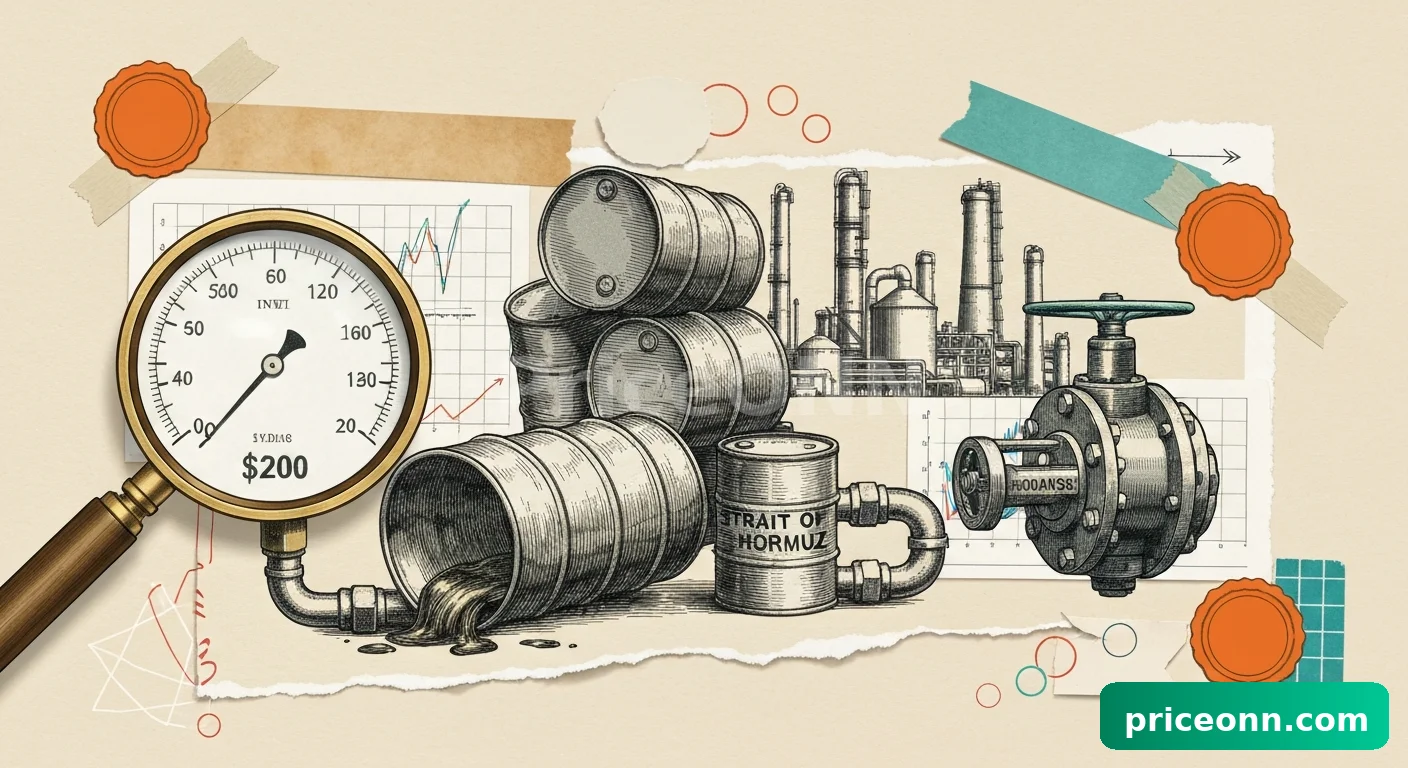
The current strain on oil and product markets, exacerbated by the ongoing conflict and its impact on this critical chokepoint, cannot be adequately offset by SPR releases or similar short-term fixes. Experts warn that a prolonged closure of the Strait could send oil prices skyrocketing, potentially reaching $150 to $200 per barrel. Such a scenario would trigger a severe economic shock and significant political repercussions, particularly for incumbent leaders like President Trump, with midterm elections looming.
The Strait of Hormuz: A Vulnerable Lifeline
The potential blockage of the Strait of Hormuz represents a critical vulnerability in the global energy supply chain. Even with Saudi Arabia’s initiatives to increase exports via Red Sea terminals, such as Yanbu, and the UAE’s pipeline capacity to Fujairah, these alternative routes cannot fully compensate for the lost volume. Industry analysts estimate that these bypasses can only restore about half of the pre-conflict oil exports originating from the Gulf region.
The coordinated global release of 400 million barrels from strategic reserves, while substantial, is projected to cover only about four weeks of the potential disruption caused by a Strait of Hormuz closure. While strategic stocks serve as a vital emergency buffer, their utility is limited to one-off interventions. These reserves will eventually need replenishment, and they are not a sustainable solution for a prolonged supply deficit.
Historical supply shocks provide a stark warning. If the conflict continues and the Strait of Hormuz remains inaccessible, benchmark crude prices like Brent could indeed breach the $150 to $200 per barrel range. For refined products such as diesel and jet fuel, prices could escalate even further, reaching between $200 and $250 per barrel or more. This price escalation carries significant macroeconomic and political risks across numerous global economies.
The potential for this event to disrupt global energy markets and intricate supply chains suggests lasting political and economic consequences, particularly at a regional level. The speed and effectiveness with which a coalition can be assembled to resolve the Strait of Hormuz situation will be a critical determinant of the future economic and political landscape.
Reading Between the Lines
The administration's current playbook for managing oil price shocks appears to be nearing its limit. The SPR has been tapped, waivers have been issued, and diplomatic efforts are underway, yet the core vulnerability of the Strait of Hormuz remains. This leaves policymakers in a precarious position, facing limited recourse should the situation in the Persian Gulf deteriorate further.
Options that might still be on the table, such as waiving the Jones Act to allow foreign vessels greater access to domestic shipping routes or seeking Congressional approval for fuel tax cuts, are widely viewed as temporary fixes. These measures, while potentially offering marginal relief, do not address the fundamental supply disruption posed by a closed Strait of Hormuz. The adhesive on these 'band-aids' appears weak, offering little long-term stability.
The market's reaction to prolonged supply fears could be swift and severe. If the Strait remains impassable, upward pressure on fuel prices will likely persist, impacting everything from consumer spending to industrial output. The current rise in U.S. diesel prices, already exceeding $5 per gallon, serves as a precursor to the broader economic fallout that could ensue.
Track markets in real-time
Empower your investment decisions with AI-powered analysis, technical indicators and real-time price data.
Join Our Telegram Channel
Get breaking market news, AI analysis and trading signals delivered instantly to your Telegram.
Join Channel