
Is the Canadian Dollar Poised for a Fall as Oil Prices Surge Amidst Geopolitical Tensions?

The Canadian Dollar (CAD) is navigating a complex landscape, with recent geopolitical escalations in the Middle East casting a shadow over nascent signs of easing inflation. The conflict has sent West Texas Intermediate (WTI) crude oil prices surging past $94 per barrel, a development that threatens to curtail consumer spending and complicate the inflation outlook for the Bank of Canada (BoC).
Market Context
Earlier in the year, Canadian economic data painted a more optimistic picture. Retail sales volumes showed strong momentum in January, with a three-month annualized gain reaching 7.7%. Preliminary estimates for February also suggested continued nominal strength. This indicated that after a period of volatility, the Canadian economy might have been turning a corner. However, the recent conflict and its impact on energy markets have introduced significant uncertainty. Higher energy prices are now expected to diminish the real value of household spending in the coming months.
Analysis & Drivers
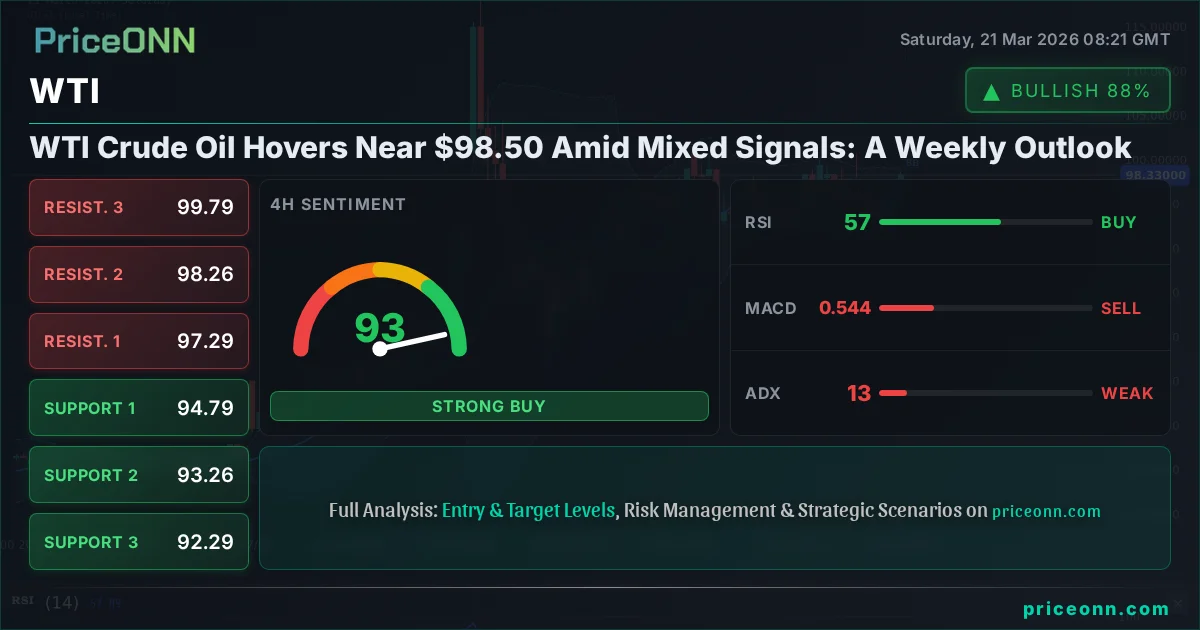
The primary driver of current market sentiment is the intensifying geopolitical conflict, which has directly impacted crude oil prices. The physical damage to energy infrastructure and the opacity surrounding the conflict deepen uncertainty, leading to sustained volatility in energy markets. For Canada, a major oil exporter, this surge in prices presents a double-edged sword. While it could boost export revenues, the broader economic impact of higher energy costs on inflation and consumer demand is a significant concern. Analysts note that this energy shock is occurring at a time when core inflation measures were showing signs of moderating, giving the BoC some buffer. However, the persistence and magnitude of the energy price shock are now the key variables to watch.
Meanwhile, in the United States, the Federal Reserve maintained its stance on interest rates, signaling a cautious approach. This decision was made amidst concerns that rising oil prices could complicate efforts to bring inflation under control. Softer housing data in the U.S. further underscores the sensitivity of the economy to higher yields and tighter financial conditions, a sentiment that often spills over into global markets, including Canada.
Trader Implications
Traders monitoring the CAD should pay close attention to oil price movements and geopolitical developments. Key support levels for USDCAD may be tested if the geopolitical situation deteriorates further, pushing oil prices higher and weighing on the loonie. Conversely, any de-escalation in the Middle East could see oil prices retreat, offering some relief to the Canadian Dollar. Market participants will also be watching upcoming inflation data closely, as it will be crucial in determining the BoC's future policy path. The potential for stagflation, a scenario of high inflation and stagnant economic growth, looms as a significant risk factor.
Key levels to watch include the 1.3800 mark for USDCAD. A sustained move above this level, driven by further oil price appreciation and negative sentiment towards the CAD, could signal a deeper decline for the loonie. Conversely, a break below 1.3650 might indicate a temporary reprieve, contingent on a stabilization or decline in energy prices.
Outlook
The outlook for the Canadian Dollar remains highly dependent on the trajectory of the Middle East conflict and its subsequent impact on global energy prices. While domestic inflation showed some encouraging signs of easing, the external shock from higher oil prices introduces a significant layer of uncertainty. Traders should prepare for continued volatility as markets digest geopolitical news and its economic ramifications. The interplay between energy prices, inflation, and central bank policy will dictate the near-term direction of the CAD.
Frequently Asked Questions
What is the current impact of the Middle East conflict on the Canadian Dollar?
The conflict has driven WTI crude oil prices above $94 per barrel, creating headwinds for the Canadian Dollar by potentially increasing inflation and reducing consumer spending power. This geopolitical risk overshadows positive domestic data, creating uncertainty for the CAD.
What are the key price levels to watch for USDCAD?
Traders should monitor the 1.3800 level for USDCAD. A sustained breach above this point, fueled by rising oil prices and negative sentiment, could indicate further weakness in the Canadian Dollar. A move below 1.3650 might suggest a temporary stabilization.
What is the primary risk facing the Canadian economy and its currency in the short term?
The primary risk is the potential for stagflation, characterized by high inflation coupled with stagnant economic growth, driven by persistent high energy prices stemming from geopolitical tensions. This scenario could significantly pressure the Canadian Dollar.
Track markets in real-time
Empower your investment decisions with AI-powered analysis, technical indicators and real-time price data.
Join Our Telegram Channel
Get breaking market news, AI analysis and trading signals delivered instantly to your Telegram.
Join Channel

PriceONN