
Will Rising Oil Prices Derail Canada's Inflation Fight Amid Middle East Tensions?
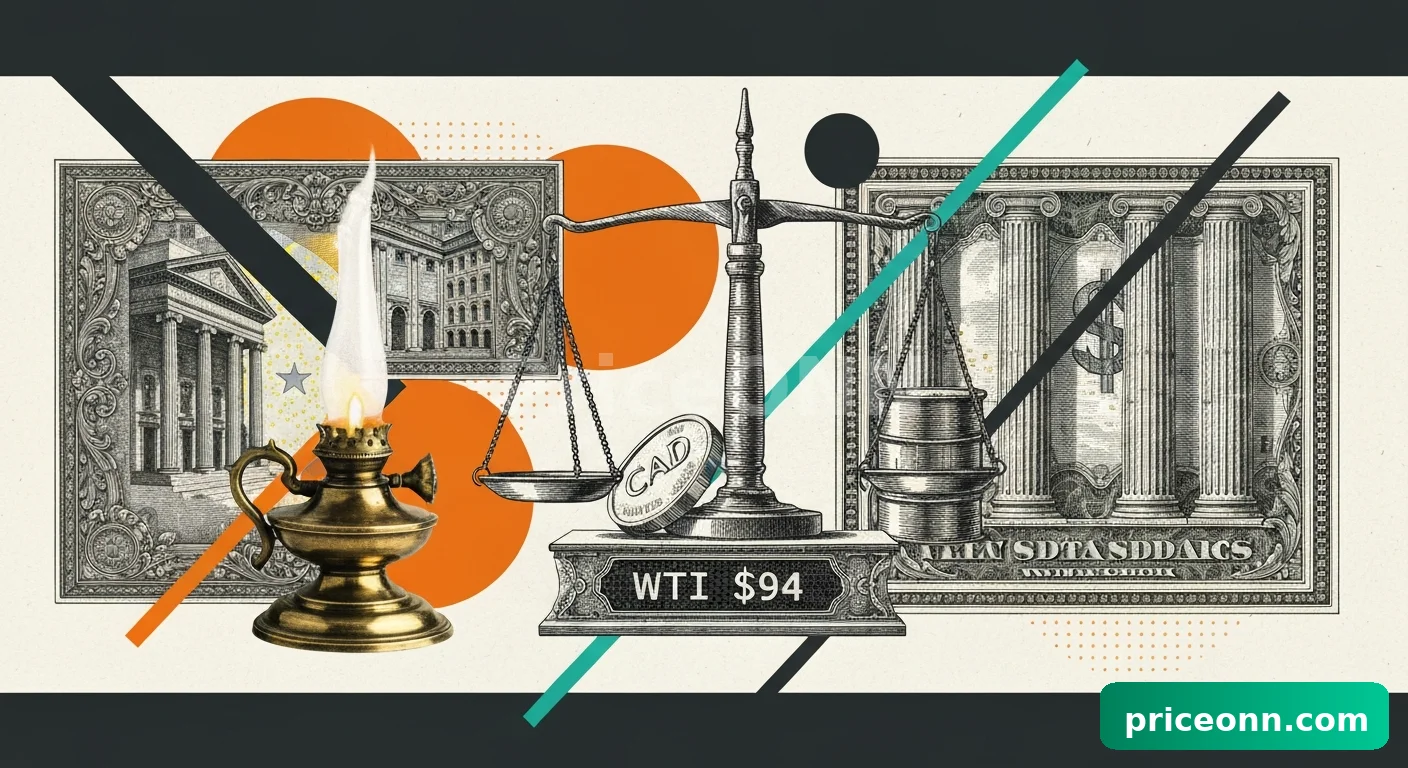
The Canadian dollar is under renewed pressure as geopolitical turmoil in the Middle East injects fresh uncertainty into the inflation outlook. The conflict, marked by escalatory strikes on energy infrastructure, has sent West Texas Intermediate (WTI) crude oil prices surging, holding steady around $94 per barrel. This development overshadows otherwise positive domestic economic signals, including robust retail sales figures from early in the year.
Market Context
Recent weeks have seen a precarious balance in the Canadian economic landscape. While inflation had shown some signs of easing and the Bank of Canada (BoC) had a potential buffer due to excess capacity in the economy, the renewed volatility in energy markets has drastically altered the trajectory. Retail sales volumes posted a solid gain in January, with a three-month annualized increase of 7.7%. Preliminary estimates for February also suggested continued nominal strength, indicating a potential turning point for household and business spending after a period of stagnation.
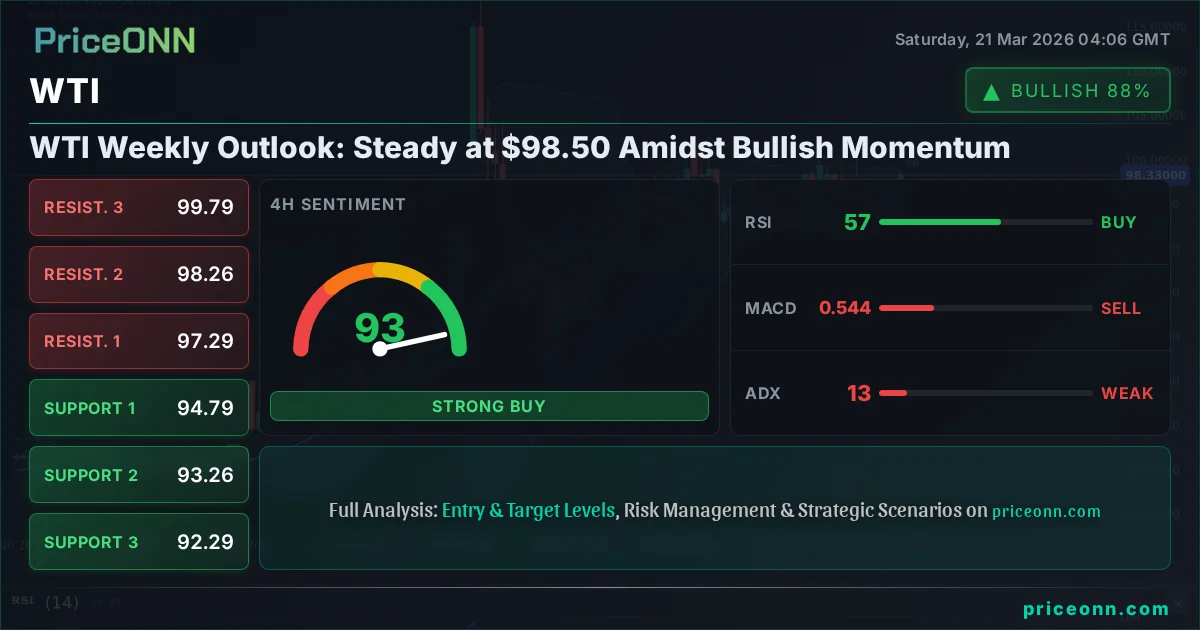
However, the surge in oil prices, directly linked to the escalating tensions in Iran, is poised to counteract these positive trends. Higher energy costs are expected to significantly impact real consumer spending in the coming months, potentially leading to a stagflationary environment where economic growth stagnates while prices rise.
Analysis & Drivers
The primary driver behind the current market jitters is the geopolitical conflict in the Middle East. Physical damage to energy infrastructure and a lack of clear data opacity surrounding the conflict are deepening uncertainty. This has a direct and immediate impact on global energy prices, which in turn affects inflation rates worldwide, and particularly in energy-importing nations like Canada.
In parallel, the United States Federal Reserve has maintained its cautious stance, holding interest rates steady. Analysts note that higher oil prices complicate the Fed's fight against inflation, forcing a delicate balancing act. Softer housing data in the U.S. also underscores a growing sensitivity to elevated yields and tighter financial conditions, suggesting that the broader economic environment remains fragile.
For Canada, the situation is particularly acute. While core inflation measures had shown signs of moderating, the energy shock is expected to start from a relatively good place, but its persistence is the key concern. The prospect of inflation accelerating due to energy costs, coupled with potentially slowing economic activity, presents a significant challenge for the BoC's monetary policy objectives.
Trader Implications
Traders should closely monitor the trajectory of oil prices and the official response from the Bank of Canada. Key levels to watch include the $94-$95 range for WTI crude, as sustained prices above this mark could signal further inflationary pressure. For the Canadian dollar (CAD), a break below recent support levels against the US dollar, potentially testing 1.3700, could be a signal of increasing risk aversion driven by energy shocks and inflation fears.
Key risk factors include further escalation of the Middle East conflict, which could lead to wider supply disruptions and higher energy prices. Conversely, any de-escalation would likely see oil prices retreat, offering some relief to inflationary pressures and potentially bolstering the CAD. Traders should also be attuned to upcoming Canadian inflation data, which will provide crucial insight into the immediate impact of the energy shock on consumer prices.
Outlook
The immediate outlook for the Canadian economy and its currency is clouded by the unpredictable nature of the Middle East conflict and its ripple effects on global energy markets. While domestic economic fundamentals showed promise, the energy price shock introduces significant downside risk. Investors and traders will be looking for signs of stabilization in oil prices and clarity from central banks on how they intend to navigate this complex inflationary environment. A sustained period of high oil prices could force the BoC to reconsider its rate path, potentially leading to currency volatility.
Frequently Asked Questions
What is the current price of WTI crude oil and why is it rising?
WTI crude oil prices are currently holding around $94 per barrel. The increase is primarily driven by escalating geopolitical tensions and strikes on energy infrastructure in the Middle East, creating uncertainty about future supply.
How will rising oil prices affect Canada's inflation?
Rising oil prices are expected to increase inflation in Canada by raising energy costs for consumers and businesses. This could counteract recent signs of easing inflation and potentially lead to a stagflationary environment, impacting real consumer spending which showed a 7.7% annualized gain in January.
What should traders watch for regarding the Canadian dollar (CAD)?
Traders should monitor oil price movements and the Bank of Canada's commentary. A sustained oil price above $95 could pressure the CAD lower, potentially testing levels near 1.3700 against the USD if risk aversion increases.
Track markets in real-time
Empower your investment decisions with AI-powered analysis, technical indicators and real-time price data.
Join Our Telegram Channel
Get breaking market news, AI analysis and trading signals delivered instantly to your Telegram.
Join Channel

PriceONN