
Did the Fed Just End Rate Cut Hopes for 2026?
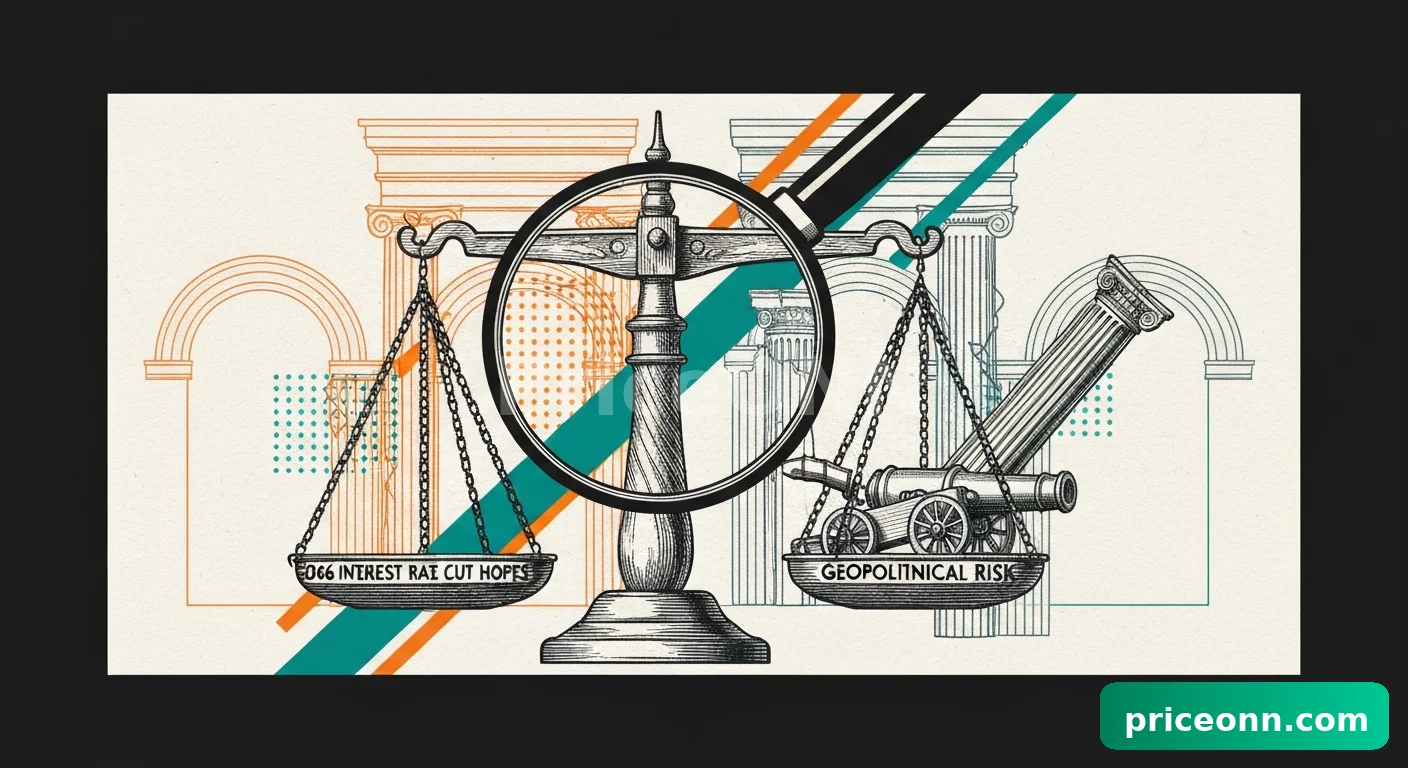
Investor sentiment took a sharp turn this week following the Federal Reserve's latest policy meeting, as market data indicates a dramatic reduction in the perceived likelihood of any interest rate cuts for the remainder of 2026. Despite Federal Reserve Chair Jerome Powell's optimistic assessment of the U.S. economy, characterized as experiencing "solid" growth and dismissing concerns of stagflation, the market's reaction has been decidedly negative.
Market Context
Following the Federal Reserve's post-meeting press conference, where Chair Powell painted a positive picture of economic conditions, equity markets and futures experienced a downturn. This move contrasts sharply with typical market reactions to perceived economic strength, suggesting deeper underlying concerns. The crucial shift has occurred in the fed funds futures market, where the probability of even a single 25 basis point interest rate reduction in 2026 has fallen to approximately 17.2%. Furthermore, the odds of an interest rate *hike* have seen a slight uptick, reaching around 8.4%, according to CME Group's FedWatch analysis. This recalibration suggests a significant departure from earlier expectations of accommodative monetary policy.
Analysis & Drivers
The primary driver behind this market recalibration appears to be a combination of the Federal Reserve's hawkish undertones and escalating geopolitical tensions, particularly concerning the Iran war. While Fed officials acknowledged "uncertainty" stemming from the conflict, Chair Powell's reluctance to directly address its economic implications, coupled with his focus on the economy's resilience and expected moderation in core inflation, has left investors uneasy. Market veterans have described this reaction as a "taper tantrum," a phenomenon observed in periods when markets react adversely to signals of tighter monetary policy or a prolonged period of high interest rates. The perceived disconnect between the Fed's domestic economic optimism and the growing international instability suggests that monetary policy may be perceived as less capable of mitigating the broader economic consequences of global events. Analysts note that the central bank's focus remains on achieving its 2% inflation target, and current data, despite talk of solid growth, still shows inflation above this threshold.
Trader Implications
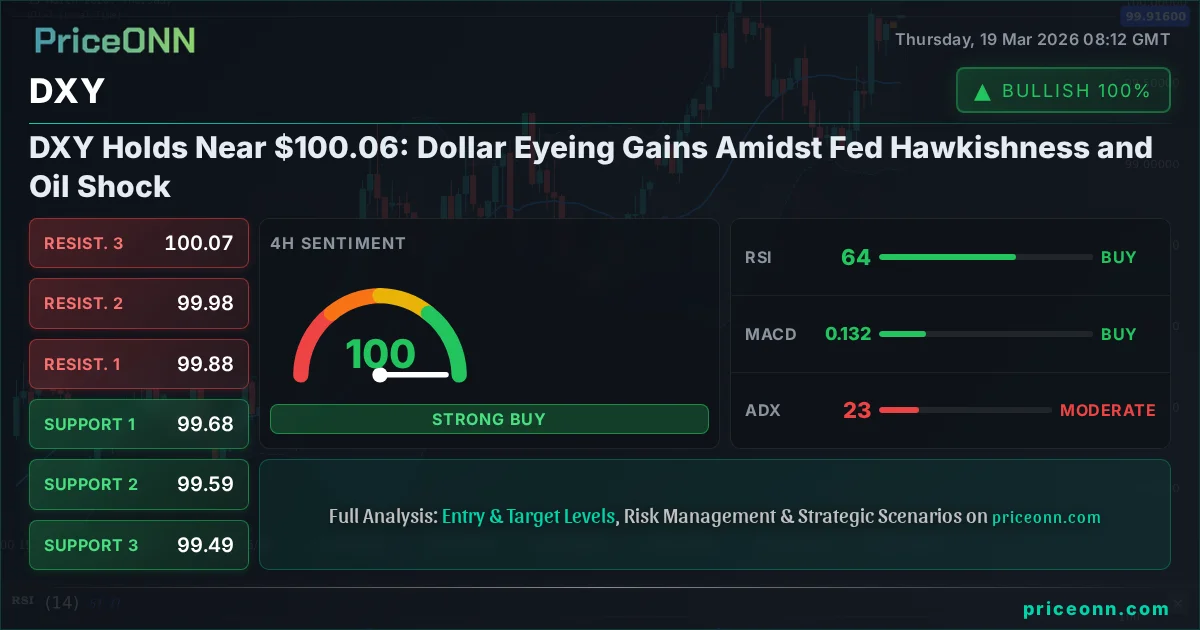
Traders should closely monitor several key factors. Firstly, the evolving narrative from the Federal Reserve is paramount; any further signals suggesting a prolonged period of elevated interest rates will likely continue to weigh on risk assets. Key technical levels for major equity indices should be watched for potential breakdowns, especially if sentiment continues to sour. The S&P 500's recent closing levels and intraday lows will be critical support areas to observe. Secondly, the geopolitical situation in the Middle East requires constant attention, as any further escalation could introduce new economic uncertainties that the Fed may be forced to address, potentially altering its policy stance. Traders should also be prepared for increased volatility in currency markets, particularly around the US Dollar, as interest rate differentials become a more dominant factor. A sustained narrative of higher-for-longer rates could bolster the dollar against its major peers.
Outlook
The outlook suggests a challenging environment for investors anticipating monetary easing in 2026. The Federal Reserve's current stance, combined with external pressures, points towards a scenario where interest rates may remain elevated for an extended period. This could lead to continued pressure on equity markets and a stronger U.S. Dollar. Upcoming economic data releases, particularly inflation figures and employment reports, will be crucial in determining whether the Fed maintains its current trajectory or if market conditions necessitate a policy shift. The market's focus will likely remain on the Fed's ability to navigate both domestic economic stability and global geopolitical risks without compromising its inflation mandate.
Frequently Asked Questions
What is the current probability of an interest rate cut by the Federal Reserve in 2026?
Market data, specifically from CME Group's FedWatch analysis, indicates that the probability of even a single 25 basis point interest rate cut in 2026 has fallen to approximately 17.2%. This reflects a significant shift in market expectations following recent Federal Reserve commentary.
How are geopolitical tensions impacting the Federal Reserve's policy outlook?
Escalating geopolitical tensions, such as the Iran war, are introducing economic uncertainties. While the Fed acknowledges these "uncertainties," its focus on domestic economic strength and inflation control suggests a potential reluctance to alter policy solely based on external events, leading to market concerns about monetary policy limitations.
What should traders watch for in the coming weeks regarding Fed policy?
Traders should closely monitor upcoming inflation and employment data for clues on the Fed's future direction. Additionally, any significant developments in the Middle East could influence the Fed's stance. Key technical support levels for major stock indices, such as the S&P 500, will also be critical indicators of market sentiment.
Track markets in real-time
Empower your investment decisions with AI-powered analysis, technical indicators and real-time price data.
Join Our Telegram Channel
Get breaking market news, AI analysis and trading signals delivered instantly to your Telegram.
Join Channel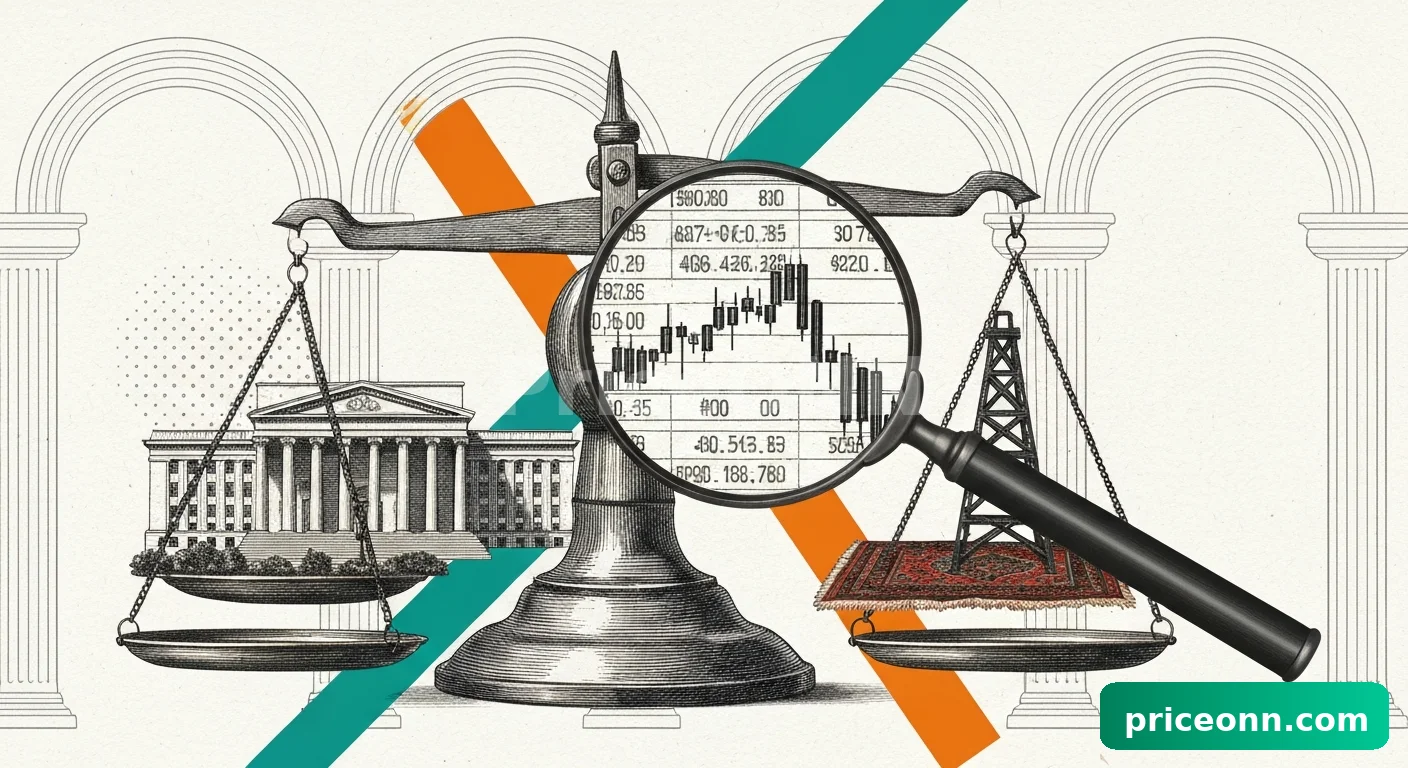
PriceONN