
Is Europe's Economy Headed for Stagflation as War Disrupts Energy?
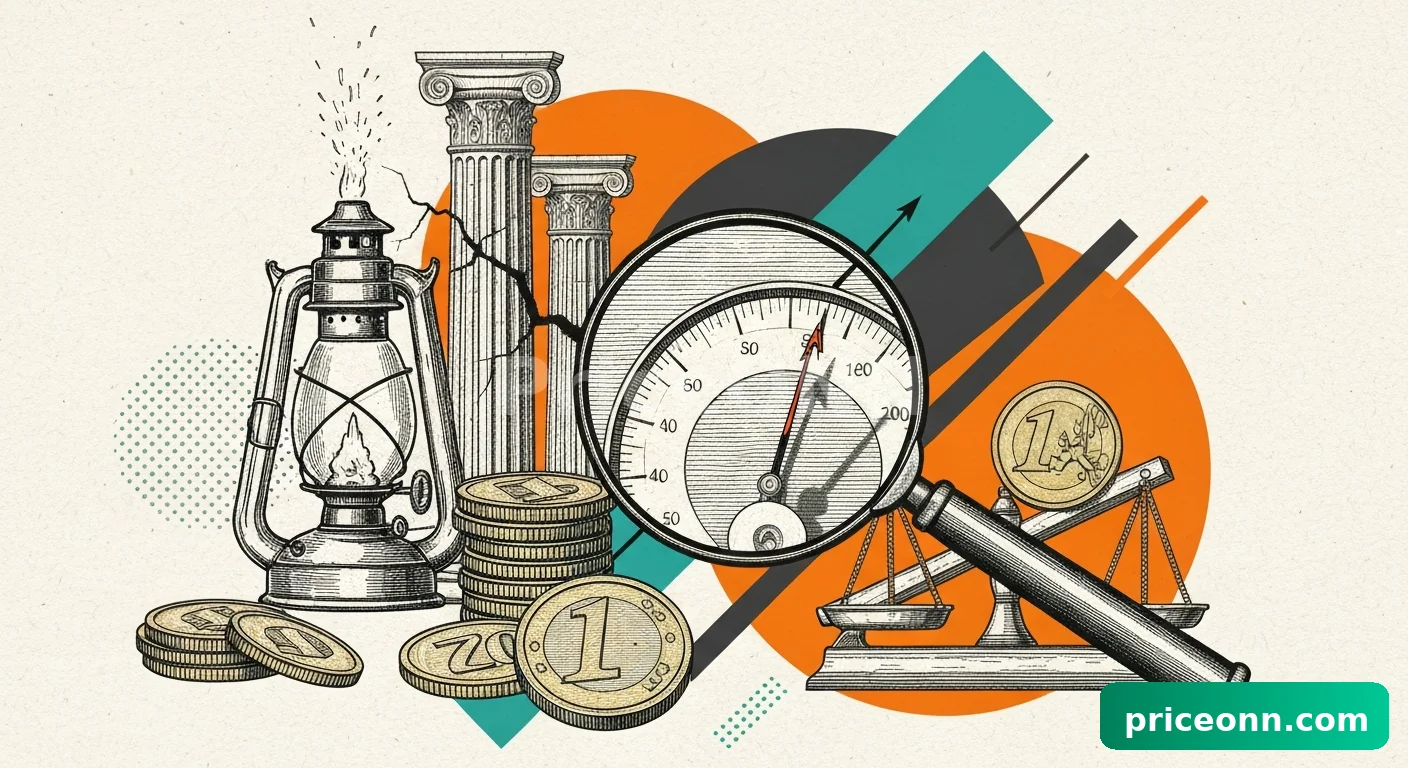
Geopolitical turmoil in Iran has drastically altered Europe's economic landscape, abruptly ending a period of cautious optimism and forcing central banks to confront a new, uncertain reality. The conflict, which began in late February, has sent shockwaves through energy markets, threatening supply chains and rekindling inflation concerns that were beginning to subside.
Market Context: From Optimism to Uncertainty
Just weeks ago, the economic narrative across the Eurozone and wider Europe was one of stabilization. Inflation figures were showing signs of converging with central bank targets, with recent Eurostat data indicating a slight rise to 1.9% in February, up from 1.7% in January. This trend had led many to anticipate a period of stable interest rates, or even potential cuts, from major central banks. However, the eruption of hostilities in Iran has fundamentally disrupted this outlook. The potential for significant disruptions to oil and gas shipments, particularly if the Strait of Hormuz becomes a focal point of conflict, poses a direct threat to energy security and price stability on the continent.
Analysis & Drivers: The Energy-Inflation Nexus
The primary driver behind the renewed economic apprehension is the vulnerability of Europe's energy supply. The region remains heavily reliant on imports, and any escalation in the Iran conflict could lead to a sharp increase in crude oil and natural gas prices. This would not only directly impact consumer energy bills but also ripple through the economy, increasing production costs for businesses across various sectors. This scenario raises the specter of stagflation – a damaging combination of stagnant economic growth and rising inflation. Market data indicates that oil prices have already seen increased volatility, and analysts warn that a sustained disruption could push inflation figures back above the 2% target, complicating monetary policy decisions.
Trader Implications: Navigating Policy Decisions and Price Volatility
Traders are bracing for significant market movements as several key central banks, including the European Central Bank (ECB), the Bank of England (BoE), Sweden's Riksbank, and the Swiss National Bank (SNB), are set to announce their policy decisions. The focus will be on their updated economic projections and forward guidance, particularly concerning the impact of the Iran conflict. Investors should closely monitor:
- Energy Price Action: Watch for sustained upward pressure on crude oil (WTI and Brent) and natural gas prices as a key indicator of inflationary risk.
- Central Bank Commentary: Pay close attention to any language shifts regarding inflation risks and the potential for interest rate policy to remain on hold or even be tightened if inflationary pressures re-emerge strongly.
- Currency Markets: Expect potential volatility in the Euro (EUR), British Pound (GBP), and Swiss Franc (CHF) as markets digest central bank responses and evolving geopolitical risks.
Specifically, traders will be looking to see if the ECB acknowledges a material risk to its inflation forecasts. Any indication that the current inflation trajectory is jeopardized could lead to a hawkish shift in tone, even if immediate rate hikes are not on the table. Conversely, a dismissive stance on energy price impacts could be seen as overly optimistic and potentially lead to currency weakness if events prove otherwise.
Outlook: A Tightrope Walk for Policymakers
The coming weeks and months will be critical for European policymakers and markets. The ongoing conflict in Iran presents a significant exogenous shock that complicates the already delicate task of managing inflation and fostering sustainable growth. Central banks are now walking a tightrope, attempting to balance the need to control inflation with the risk of stifling economic activity through overly restrictive monetary policy. The trajectory of energy prices and the duration of the conflict will be the dominant factors shaping both economic performance and central bank actions through the remainder of the year.
Frequently Asked Questions
What is the primary economic concern stemming from the war in Iran for Europe?
The primary concern is the disruption to energy supplies, particularly oil and gas, which could lead to a significant increase in energy costs and reignite inflationary pressures across the continent. This threatens to derail the recent progress made in stabilizing consumer prices.
How might central bank policy change in response to the conflict?
Central banks, such as the ECB and BoE, may be forced to hold interest rates steady or even consider tightening policy if inflation resurges due to higher energy costs. They will be closely watching inflation data and energy market reactions before making any definitive moves, likely delaying any anticipated rate cuts.
What key price levels should traders watch in the coming weeks?
Traders should monitor crude oil (Brent) prices for sustained movement above $90 per barrel as an indicator of escalating energy costs. Additionally, market sentiment shifts around the ECB's key interest rate expectations, with any deviation from anticipated steady policy potentially causing significant currency moves.
Track markets in real-time
Empower your investment decisions with AI-powered analysis, technical indicators and real-time price data.
Join Our Telegram Channel
Get breaking market news, AI analysis and trading signals delivered instantly to your Telegram.
Join Channel
PriceONN