
Can European Central Banks Navigate the Iran War's Economic Fallout?

The delicate economic balance in Europe has been shattered by the recent escalation of conflict in Iran, dramatically altering the outlook for inflation, growth, and monetary policy. Just weeks ago, a narrative of cautious optimism prevailed, with inflation figures nearing the 2% target set by the European Central Bank (ECB) and expectations leaning towards stable or even lower interest rates. This hopeful scenario has been abruptly upended by geopolitical turmoil.
Market Context
The outbreak of war in Iran has introduced significant instability, particularly concerning energy supplies crucial for the European economy. This disruption threatens to reverse recent progress on inflation and casts a pall over economic growth projections. The conflict, which began in late February, is now a central factor influencing central bank deliberations across the continent. This Thursday represents a pivotal moment as major central banks, including the ECB, the Bank of England (BoE), Sweden's Riksbank, and the Swiss National Bank (SNB), are scheduled to announce their latest monetary policy decisions. Crucially, these announcements are expected to incorporate the initial assessments of how the ongoing war will impact their respective economic forecasts and future policy trajectories.
Analysis & Drivers
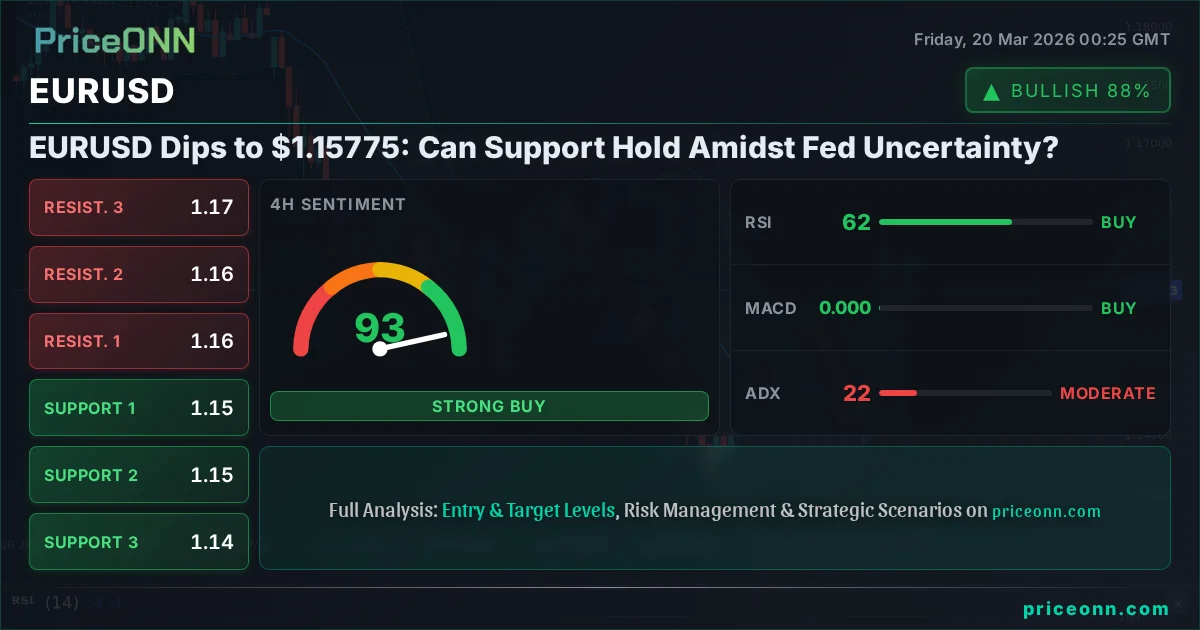
Prior to the recent geopolitical shockwaves, the prevailing expectation was for the ECB to hold its benchmark interest rate steady. Eurozone inflation had shown remarkable stability, recently recorded at 1.9% in February, a marginal rise from 1.7% in January according to Eurostat. ECB President Christine Lagarde had even described the euro zone's economic standing as "in a good place," though she tempered optimism with a warning against complacency. This caution now appears remarkably prescient.
The primary driver of renewed inflationary concerns is the potential disruption to vital energy shipments. The Strait of Hormuz, a critical chokepoint for oil and gas transit to Europe, is under threat due to the conflict. Any significant interruption here could rapidly reignite energy costs, directly feeding into broader inflationary pressures and complicating the inflation-targeting mandates of European central banks.
Trader Implications
Traders are now closely scrutinizing the forward guidance from these central banks, particularly the ECB. The shift in economic outlook necessitates a recalibration of market expectations regarding interest rate paths. Key levels to watch will be any upward revisions to inflation forecasts and any indications of a prolonged pause or even a reversal in rate cut expectations. The potential for resurgent energy prices introduces significant volatility into currency pairs like EUR/USD and GBP/USD, as well as equity markets across the continent.
For traders, the immediate implication is heightened caution. The narrative has shifted from potential rate cuts to managing inflation risks. Key economic data releases in the coming weeks, especially inflation and energy price indices, will be critical in gauging the extent of the war's impact. Support levels for major European indices might be tested if energy shocks materialize, while currency markets could see increased demand for safe-haven assets.
Outlook
The economic landscape for Europe has been fundamentally altered by the Iran war. The path forward is fraught with uncertainty, with central banks now tasked with balancing the risks of resurgent inflation against the potential for economic slowdown. This Thursday's central bank announcements will provide the first official assessments, but ongoing geopolitical developments will likely dictate the medium-term economic trajectory. Market sentiment is expected to remain cautious, with a heightened focus on energy security and inflation data.
Frequently Asked Questions
What is the primary economic risk facing Europe due to the Iran war?
The primary risk is the disruption of energy supplies, particularly oil and natural gas, transiting through critical routes like the Strait of Hormuz. This could lead to a surge in energy prices and reignite inflationary pressures, impacting economic growth.
How will the Iran war affect European central bank interest rate decisions?
The war complicates monetary policy by introducing renewed inflation risks. While previously considering rate cuts, central banks like the ECB may now pause or hold rates longer to combat potential price surges, deviating from earlier forecasts.
What should traders watch for in European markets following these developments?
Traders should monitor energy price benchmarks, inflation data releases, and central bank forward guidance. Key currency pairs like EUR/USD and GBP/USD, along with European equity indices, will be sensitive to shifts in inflation expectations and growth outlooks.
Track markets in real-time
Empower your investment decisions with AI-powered analysis, technical indicators and real-time price data.
Join Our Telegram Channel
Get breaking market news, AI analysis and trading signals delivered instantly to your Telegram.
Join Channel
PriceONN