
Is the Dollar Set to Rebound as the Fed Eyes Inflation Over Jobs?
The US dollar is facing a potential resurgence as Federal Reserve officials begin to pivot their focus from a balanced labor market back to the persistent threat of inflation. Recent commentary from key Fed figures indicates a subtle but crucial shift in policy priorities, potentially altering the trajectory for interest rate expectations and, consequently, currency valuations.
Market Context: A Shift in Focus
Federal Reserve officials, including Vice Chair Philip Jefferson, Governor Michael Barr, and Governor Lisa Cook, have all echoed a similar sentiment: the labor market is increasingly viewed as being in a state of equilibrium. This assessment frees up policymakers to re-emphasize the risks posed by rising inflation. Specifically, recent geopolitical events, such as the Middle East energy shock, are expected to contribute to a near-term increase in overall inflation, primarily driven by elevated energy prices.
Vice Chair Jefferson highlighted that the duration of these energy price disruptions will be a critical factor. A short-lived shock might only impact inflation for a couple of quarters, but sustained higher oil prices could lead to more significant and material implications for both inflation itself and overall economic growth. Governor Barr underscored the importance of monitoring inflation expectations, warning that a shift in these expectations could embed more persistent price dynamics.
Governor Cook further reinforced this shift, stating that while overall risks to the economy are currently balanced, the risks tilted towards inflation are now deemed greater. This marks a clear change in emphasis, moving away from potential growth weakness and prioritizing the containment of price pressures.
Analysis & Drivers: Inflation Takes Center Stage
The primary driver behind this policy recalibration appears to be the re-emergence of inflation as a key concern, exacerbated by external supply shocks. While the labor market has shown resilience, with officials noting stable hiring conditions, the potential for renewed inflationary pressures is now taking precedence. This suggests that the Federal Reserve may adopt a more hawkish stance, delaying any potential interest rate cuts that were previously anticipated by some market participants.
The acknowledgment of “balanced” employment conditions implies that the Fed is less concerned about the economy overheating due to labor shortages and more concerned about the erosion of purchasing power caused by inflation. This is a significant departure from the dual mandate focus that has characterized recent policy discussions, where employment gains were often highlighted as a key reason for maintaining accommodative policy.
The emphasis on energy prices as a primary inflationary catalyst is also noteworthy. Geopolitical tensions in energy-producing regions have historically been a significant driver of inflation, and their impact on consumer prices and business costs is now being closely monitored by the Fed. The central bank's response will likely depend on whether these price pressures are perceived as transitory or indicative of a broader inflationary trend.
Trader Implications: Watching the Dollar and Yields
For forex traders, this shift in Fed sentiment presents several key implications. The US dollar, which may have been pressured by expectations of impending rate cuts, could find renewed support. A Fed that prioritizes inflation control over immediate rate cuts is likely to maintain higher interest rates for longer, making dollar-denominated assets more attractive to investors seeking yield.
Traders should closely monitor US inflation data, particularly the Consumer Price Index (CPI) and Producer Price Index (PPI) reports, as well as weekly jobless claims and non-farm payroll figures. Stronger-than-expected inflation prints would likely reinforce the Fed's hawkish stance, potentially leading to further dollar appreciation against major currency pairs like EUR/USD and GBP/USD. Conversely, any signs of inflation cooling significantly or a sudden weakening in the labor market could prompt a reassessment.
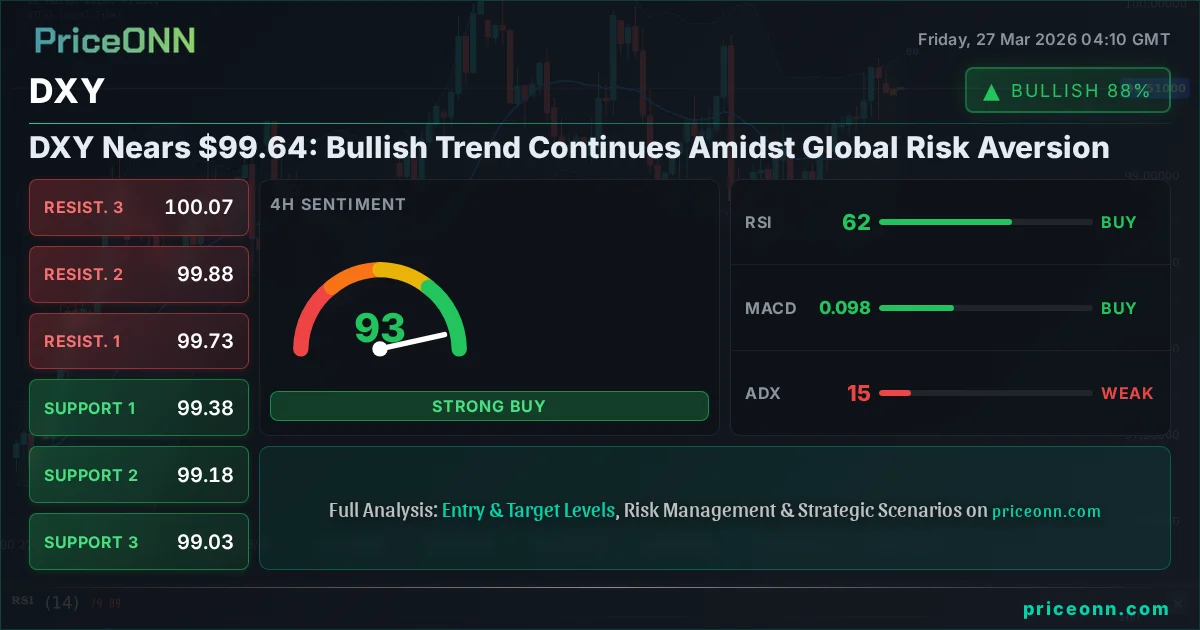
Key levels to watch for the US Dollar Index (DXY) would include its ability to reclaim the 105.00 level, a significant psychological and technical barrier. For EUR/USD, a sustained move below 1.0700 could signal further downside. Bond yields, particularly the 10-year Treasury yield, will also be a crucial indicator. A climb back towards 4.50% would align with a more hawkish Fed narrative and support the dollar.
Outlook: A Data-Dependent Path Ahead
The path forward for the US dollar and broader market sentiment will remain heavily data-dependent. While the Fed's rhetoric has shifted towards inflation vigilance, actual policy decisions will hinge on incoming economic data. Upcoming inflation reports and labor market statistics will be critical in shaping expectations for the Fed's next move. Should inflation prove stubborn, the Fed may be compelled to hold rates steady for an extended period, providing a solid foundation for dollar strength. Conversely, any indication that inflationary pressures are abating or that the labor market is softening could reignite discussions about rate cuts, potentially weakening the dollar.
Frequently Asked Questions
What is the primary reason for the potential US dollar rebound?
The primary reason is the Federal Reserve's renewed focus on inflation risks, as indicated by recent comments from Fed officials. This suggests a higher-for-longer interest rate environment, making dollar-denominated assets more appealing.
What are the key economic indicators traders should watch?
Traders should closely monitor US inflation data (CPI, PPI), weekly jobless claims, and non-farm payrolls. These indicators will provide insights into the Fed's inflation and labor market assessments, influencing monetary policy expectations.
What are the key price levels to watch for the US Dollar Index (DXY)?
A key level to watch for the US Dollar Index (DXY) is the potential to reclaim the 105.00 level. A sustained move above this mark would indicate strengthening dollar sentiment driven by the Fed's inflation focus.
Track markets in real-time
Empower your investment decisions with AI-powered analysis, technical indicators and real-time price data.
Join Our Telegram Channel
Get breaking market news, AI analysis and trading signals delivered instantly to your Telegram.
Join Channel
PriceONN