EU urges halt to strikes on energy and water infrastructure amid Middle East supply risks
Geopolitical Tensions Threaten Global Supply Chains
Amidst a volatile geopolitical climate, the European Union has issued a critical appeal for a pause in military actions targeting vital energy and water facilities in the Middle East. This urgent call reflects growing apprehension among EU policymakers regarding the cascading economic consequences of the ongoing conflict, particularly its potential to destabilize global energy markets and disrupt essential resource flows.
The specter of further supply chain disruptions hangs heavy over international markets. Analysts point out that any significant interruption to oil or gas shipments originating from this vital region could trigger a sharp increase in energy prices worldwide. Such a scenario would not only fuel inflation but also place immense pressure on businesses and consumers, potentially stalling economic recovery efforts across numerous nations.
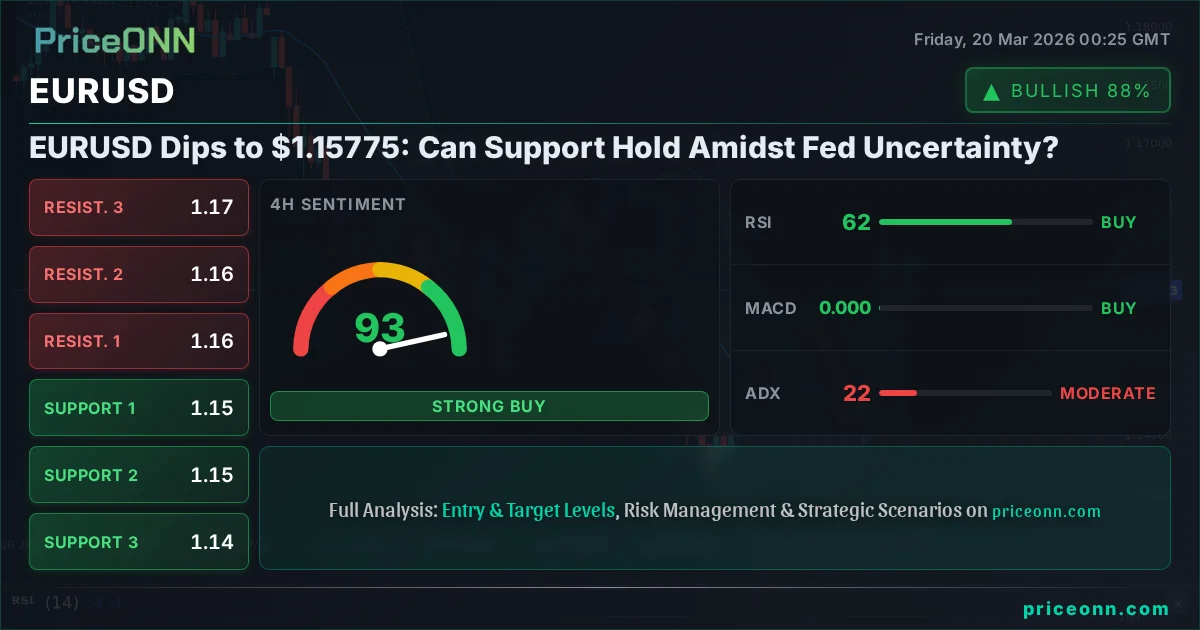
The Euro's Global Standing and Economic Drivers
The Euro, the shared currency of 20 European Union member states, stands as the second most traded currency globally, trailing only the US Dollar. In 2022, its dominance was underscored by a substantial 31% share of all foreign exchange transactions, boasting an average daily turnover exceeding $2.2 trillion. This sheer volume highlights the currency's pivotal role in international finance.
The EUR/USD currency pair, representing the Euro against the US Dollar, commands the largest portion of global forex trading, estimated at 30% of all trades. Other significant pairings include EUR/JPY, EUR/GBP, and EUR/AUD, collectively demonstrating the Euro's broad reach in financial markets.
The European Central Bank's Mandate and Tools
At the heart of the Eurozone's monetary policy lies the European Central Bank (ECB), headquartered in Frankfurt, Germany. The ECB's primary mission is to maintain price stability, a delicate balancing act that involves either curbing inflation or stimulating economic expansion. Its principal instrument for achieving this objective is the adjustment of key interest rates.
Generally, higher interest rates, or the anticipation of such hikes, tend to bolster the Euro's value. Conversely, expectations of lower rates typically exert downward pressure on the single currency. The ECB's Governing Council convenes eight times annually to deliberate and decide on monetary policy. These crucial decisions are shaped by the collective input of Eurozone national bank governors and six permanent members, including ECB President Christine Lagarde.
Economic Indicators Shaping the Euro's Trajectory
Eurozone inflation data, meticulously tracked via the Harmonized Index of Consumer Prices (HICP), serves as a critical gauge for the Euro's performance. A notable uptick in inflation, particularly if it surpasses the ECB's target of 2%, creates an imperative for the bank to raise interest rates. This action aims to rein in price pressures and restore economic equilibrium.
When the Eurozone's interest rates are relatively elevated compared to those of other major economies, the region becomes a more attractive destination for global capital. This influx of investment can significantly support the Euro. Furthermore, a robust economic performance, reflected in key indicators like Gross Domestic Product (GDP) figures, Purchasing Managers' Indexes (PMIs) for manufacturing and services sectors, employment statistics, and consumer sentiment surveys, generally bodes well for the currency.
A thriving economy not only attracts foreign investment but also potentially prompts the ECB to adopt a tighter monetary stance, thereby directly strengthening the Euro. Conversely, weak economic data often leads to a depreciation of the single currency.
The Significance of Major Economies and Trade Balance
Economic data originating from the four largest economies within the Eurozone-Germany, France, Italy, and Spain-carries particular weight, as these nations collectively represent approximately 75% of the bloc's total economic output. Their individual performances can disproportionately influence the Euro's overall trend.
Another vital metric influencing the Euro is the Trade Balance. This indicator quantifies the difference between a nation's earnings from exports and its expenditures on imports over a specific period. A consistent surplus in the trade balance, achieved when exports exceed imports, typically enhances a currency's value due to increased demand from international buyers seeking the country's goods. A positive net trade balance, therefore, provides a tailwind for the Euro.
Market Ripple Effects
The escalating tensions in the Middle East and the EU's call for restraint introduce a layer of uncertainty that directly impacts currency markets and broader financial instruments. The primary concern revolves around potential disruptions to oil and gas supplies, which could lead to a significant surge in energy prices. This inflationary pressure would likely strengthen the US Dollar as a safe-haven asset and potentially weaken risk-sensitive currencies.
Consequently, the Euro (EUR) could face downward pressure if energy costs rise sharply, impacting economic growth and prompting the ECB to adopt a more dovish stance. Traders will be closely monitoring the USD Index (DXY) for signs of safe-haven demand. Additionally, global equity markets, particularly those with high energy costs or significant exposure to the Middle East, could experience increased volatility. The price of Brent Crude and WTI Crude will be critical indicators to watch, as their movements will directly correlate with inflation expectations and central bank policy responses.
Track markets in real-time
Empower your investment decisions with AI-powered analysis, technical indicators and real-time price data.
Join Our Telegram Channel
Get breaking market news, AI analysis and trading signals delivered instantly to your Telegram.
Join Channel