
Is the Fed Pivoting Back to Inflation Hawks Amid Energy Shocks?
Federal Reserve officials are signaling a notable shift in their policy focus, with inflation risks regaining prominence as the primary concern. Market data indicates a growing consensus among policymakers that the labor market is now considered “in balance,” allowing attention to pivot back towards rising price pressures. Recent remarks from key figures within the central bank highlight this subtle yet significant change in emphasis.
Market Context
The evolving narrative from Fed officials, including Vice Chair Philip Jefferson, Governor Michael Barr, and Governor Lisa Cook, suggests a departure from prioritizing employment stability. Instead, the focus is returning to the potential for inflation to accelerate, particularly in light of recent energy price shocks stemming from geopolitical tensions. Vice Chair Jefferson explicitly stated his expectation that overall inflation will rise in the near term, directly linking this to elevated energy prices. He emphasized that the duration of these energy disruptions will be a critical factor; short-lived impacts might only affect the economy for a quarter or two, but sustained higher oil prices could have more material consequences for both inflation and economic growth.
Analysis & Drivers
Governor Barr underscored the importance of preventing a shift in inflation expectations, warning that such a move could embed more persistent price dynamics. He stressed the need to closely monitor the longevity of elevated energy prices, as prolonged shocks pose a greater threat to price stability and the broader economic outlook. Governor Cook further reinforced this sentiment, characterizing inflation risks as “greater right now” compared to other economic considerations, even while acknowledging that overall risks remain balanced. This collective messaging indicates a clear recalibration, where containing inflation is now taking precedence over concerns about potential growth slowdowns. The simultaneous assessment of the labor market as “balanced” suggests that while current employment conditions are stable, officials are also aware of downside risks should these economic shocks intensify.
Trader Implications
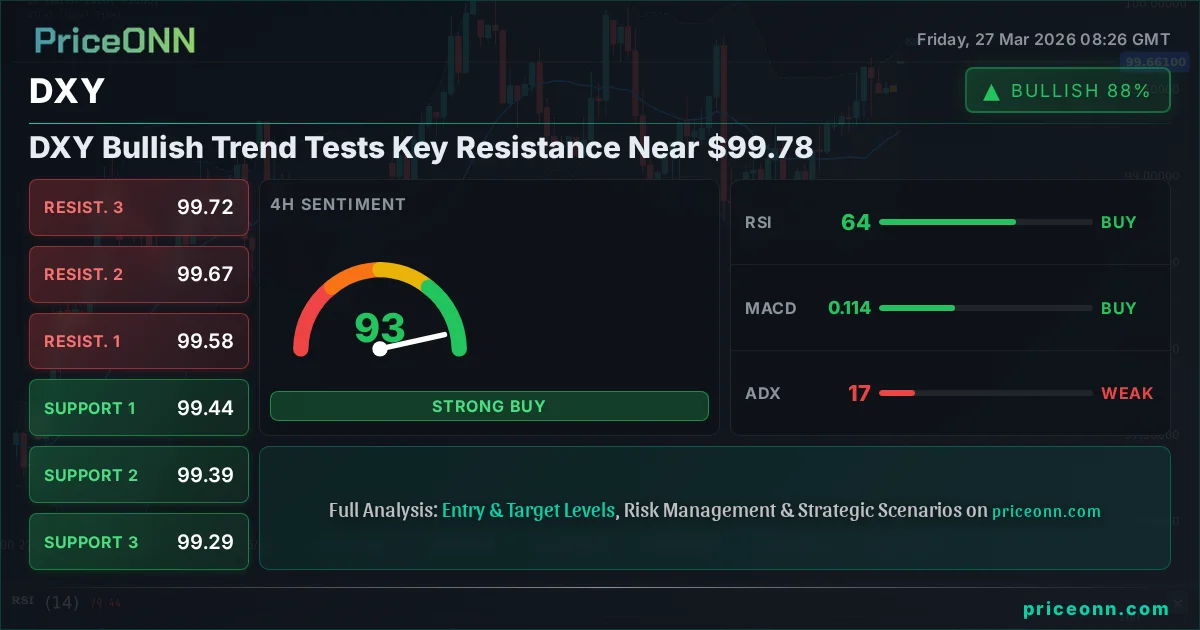
For forex traders, this renewed hawkish tone from the Federal Reserve has significant implications. The potential delay in anticipated interest rate cuts, or even the possibility of policy remaining on hold for an extended period, could bolster the U.S. Dollar. Traders should closely monitor upcoming economic data releases, particularly inflation figures (CPI and PPI) and energy price movements. Key technical levels for major currency pairs like EUR/USD and USD/JPY will become critical inflection points. A sustained rise in inflation data or persistent high energy costs could reinforce the Fed’s hawkish stance, leading to further dollar strength. Conversely, any signs of inflation moderating or a significant weakening in the labor market could prompt a reassessment, potentially weakening the dollar.
Outlook
The immediate outlook suggests a period of increased vigilance from the Federal Reserve regarding inflation. While policy is expected to remain on hold in the short term, the balance of risks has clearly shifted towards price stability. Traders should brace for potential volatility in currency markets as they digest this evolving Fed narrative against the backdrop of global energy market uncertainties. The market’s reaction will likely hinge on the persistence of energy price shocks and their subsequent impact on inflation expectations and broader economic data.
Frequently Asked Questions
What is the Federal Reserve's current primary concern?
The Federal Reserve's primary concern has shifted back to inflation risks, particularly those stemming from elevated energy prices. Officials view the labor market as balanced, allowing them to refocus on controlling price pressures.
How might this shift affect the U.S. Dollar?
A renewed hawkish stance from the Fed, focusing on inflation and potentially delaying rate cuts, could strengthen the U.S. Dollar. Traders will be watching key currency pairs for potential upward movements in USD against its major counterparts.
What economic data should traders watch closely?
Traders should monitor U.S. inflation reports (CPI and PPI) closely. Additionally, trends in energy prices and labor market indicators like jobless claims and nonfarm payrolls will provide crucial insights into the Fed's next moves.
Track markets in real-time
Empower your investment decisions with AI-powered analysis, technical indicators and real-time price data.
Join Our Telegram Channel
Get breaking market news, AI analysis and trading signals delivered instantly to your Telegram.
Join Channel
PriceONN