Fed’s Daly: No single most likely path for monetary policy
Monetary Policy Crossroads
The Federal Reserve, tasked with managing America's economic stability through its dual mandates of stable prices and maximum employment, finds itself at a critical juncture. The central bank's primary lever for influencing the economy is the adjustment of interest rates. When inflation pressures mount, pushing prices up faster than the desired 2% target, the Fed typically tightens its monetary stance by raising these rates. This action increases the cost of borrowing across the economy, a move that often strengthens the US Dollar as capital flows seek higher returns in the U.S.
Conversely, should inflation dip below the target or if the labor market weakens significantly, the Fed has the capacity to lower interest rates. Such a decision aims to stimulate borrowing and economic activity, which can place downward pressure on the Greenback. These pivotal decisions are deliberated during eight scheduled policy meetings annually by the Federal Open Market Committee (FOMC), comprising twelve senior Fed officials.
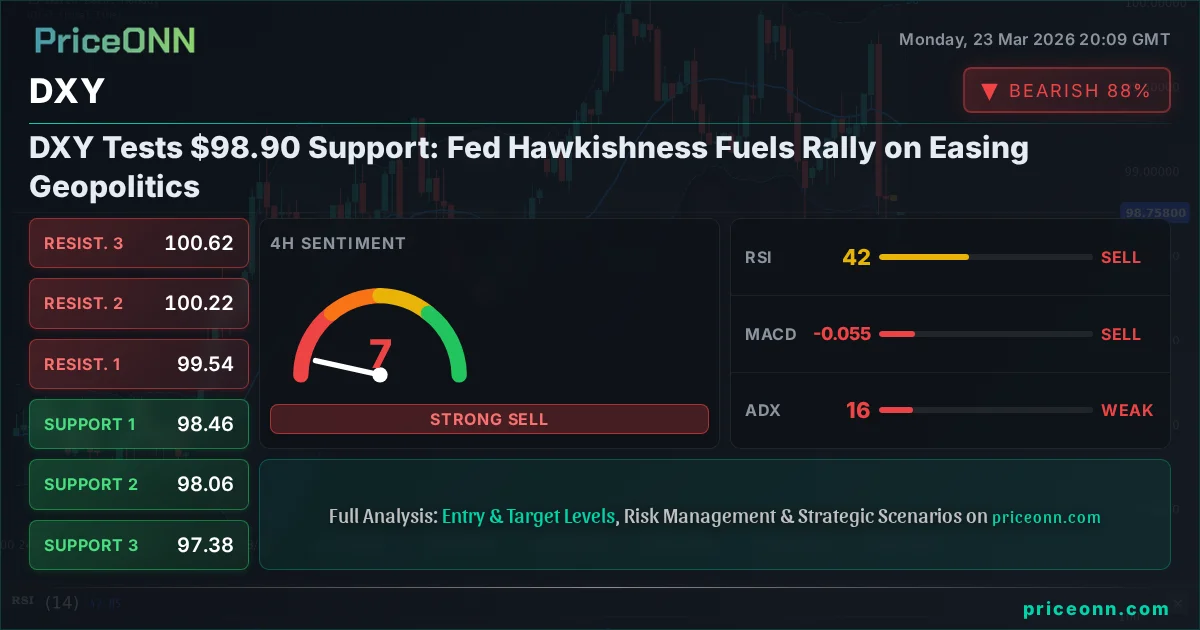
Tools Beyond the Benchmark Rate
Beyond the standard adjustments to the federal funds rate, the Fed possesses other potent instruments. In extraordinary economic circumstances, such as the 2008 Great Financial Crisis, the central bank may deploy unconventional measures like Quantitative Easing (QE). This involves a substantial injection of liquidity into the financial system, often achieved by purchasing high-quality bonds from financial institutions. The intent is to unfreeze credit markets and spur economic activity. Historically, QE has tended to weaken the US Dollar.
The inverse of QE is Quantitative Tightening (QT). This process involves the Fed reducing its balance sheet by allowing maturing bonds to roll off without reinvestment, effectively withdrawing liquidity. QT is generally viewed as a supportive factor for the US Dollar.
Analyst Takeaways: Geopolitics and the Fed's Next Move
The recent comments from San Francisco Fed President Mary Daly underscore a significant uncertainty clouding the future of U.S. interest rates. The delicate balance the Fed must strike is being complicated by external factors, particularly geopolitical instability and its potential impact on commodity prices, specifically oil. If the conflict in Iran, or any similar global event, triggers a persistent surge in oil prices that cannot be easily dismissed as a temporary blip, the Fed’s calculus for rate policy becomes considerably more complex.
This situation creates a tension between the Fed's inflation mandate and its employment mandate. A sustained spike in energy costs can fuel broader inflation, pressuring the Fed to consider further tightening or at least maintain higher rates for longer. However, such a policy could also dampen economic growth and potentially harm employment, a scenario the Fed is keen to avoid. This leaves policymakers in a difficult position, where any perceived
Track markets in real-time
Empower your investment decisions with AI-powered analysis, technical indicators and real-time price data.
Join Our Telegram Channel
Get breaking market news, AI analysis and trading signals delivered instantly to your Telegram.
Join Channel