
Is Gold Poised for New Highs as Geopolitical Tensions Ease and the Dollar Weakens?
Gold prices experienced a significant surge on Wednesday, climbing over 2% to reach $4,565.18 per ounce, as a notable easing in geopolitical tensions and a weakening U.S. Dollar created a favorable environment for the precious metal. U.S. gold futures also saw a substantial rise, up 3.6 percent at $4,595.67, reflecting broad market optimism.
Market Context
The primary catalyst for this upward movement in gold appears to be a de-escalation in perceived conflict risks, particularly surrounding U.S.-Iran relations. Reports of potential negotiations and diplomatic efforts, including a reported 15-point plan being discussed and the possibility of high-level peace talks, have diminished safe-haven demand. This shift in sentiment directly impacted crude oil prices, which plunged more than 5 percent as fears of supply disruptions subsided. Concurrently, the U.S. Dollar Index dipped, further supporting gold's ascent. The Canadian Dollar also faced pressure, with USD/CAD extending its gains to trade around 1.3770, as softening oil prices weighed on the commodity-linked currency.
Analysis & Drivers
The narrative driving gold's rally is multifaceted. Geopolitical de-escalation is a significant factor, reducing the immediate need for investors to seek refuge in traditional safe-haven assets like gold. Simultaneously, a softer U.S. Dollar, which declined on improved risk sentiment, makes dollar-denominated commodities like gold cheaper for holders of other currencies, thereby increasing demand. Easing bond yields also contributed to gold's attractiveness. On the monetary policy front, comments from Federal Reserve Governor Michael Barr indicated that interest rates might remain unchanged for a period, requiring sustainable evidence of falling inflation before further cuts. This stance could provide a floor for gold prices by keeping borrowing costs relatively stable.
Meanwhile, minutes from the Bank of Japan's January meeting revealed a leaning towards continued interest rate hikes to combat inflation and a weak yen. This divergence in monetary policy approaches between major central banks could influence currency markets and, by extension, commodity prices.
Trader Implications
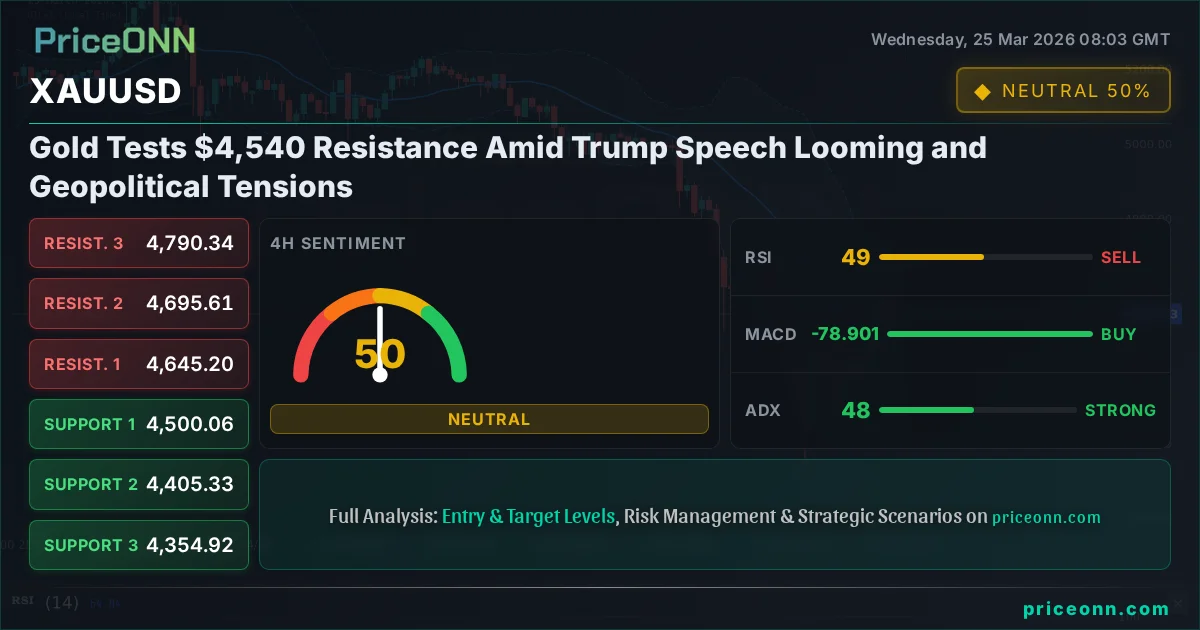
Traders should closely monitor the evolving geopolitical landscape, as any resurgence in tensions could quickly reverse gold's gains. Key support levels for gold are now being tested, with the initial surge pushing prices towards higher resistance zones. The U.S. Dollar Index remains a crucial barometer; a sustained decline could fuel further upside for gold. Conversely, any signs of hawkishness from the Federal Reserve or a significant pickup in U.S. economic data could temper gold's bullish momentum.
For currency traders, the USD/CAD pair warrants attention. The continued weakness in oil prices, a direct consequence of easing geopolitical fears, suggests that the Canadian Dollar may remain under pressure. A sustained move above 1.3800 for USD/CAD could signal further downside for the loonie.
Outlook
The immediate outlook for gold appears cautiously optimistic, contingent on the persistence of de-escalating geopolitical rhetoric and a stable or weakening U.S. Dollar. While current market data suggests a shift away from immediate conflict, the situation remains fluid. Upcoming economic data releases, particularly inflation figures and employment reports from major economies, will be critical in shaping central bank policy expectations and, consequently, gold's trajectory. Traders will be looking for confirmation of sustained diplomatic progress to justify further significant gains, with the potential to retest previous highs if risk sentiment continues to improve without a corresponding strengthening of the U.S. dollar.
Frequently Asked Questions
What is the current price of gold and why is it moving?
As of Wednesday, spot gold surged to $4,565.18 per ounce. This rise is primarily driven by easing geopolitical tensions, a softer U.S. Dollar, and declining bond yields, which reduce demand for safe-haven assets.
How are oil prices affecting the Canadian Dollar?
Easing geopolitical fears led to a significant drop in oil prices, which in turn is weighing on the commodity-linked Canadian Dollar. The USD/CAD pair is trading around 1.3770, extending its gains as oil prices soften.
What are the key factors to watch for gold in the near term?
Traders should watch for any renewed geopolitical flare-ups, movements in the U.S. Dollar Index, and upcoming central bank policy signals. A sustained de-escalation could support gold prices, with key resistance levels to monitor.
Track markets in real-time
Empower your investment decisions with AI-powered analysis, technical indicators and real-time price data.
Join Our Telegram Channel
Get breaking market news, AI analysis and trading signals delivered instantly to your Telegram.
Join Channel

PriceONN