Gold price slump tied to crunch, not fundamentals: Sprott
Global Cash Crunch Fuels Gold Sell-Off
The precious metal's retreat from late January highs, where it touched approximately $5,589 per ounce, has seen prices slide to around $4,400. This sharp descent, occurring amidst heightened geopolitical alarms, energy market volatility, and general market turbulence, has caught many investors by surprise. However, a deeper look suggests the selling pressure stems not from a fundamental erosion of gold's value proposition, but rather from a widespread need for liquidity across financial markets.
This dynamic began to shift notably in 2022. A pivotal moment arrived when significant portions of Russia's foreign currency reserves were frozen. This event prompted a noticeable migration among sovereign wealth entities, steering them away from traditional US Treasury holdings and increasingly towards gold as a reserve asset. Consequently, gold's price became more intricately linked to the ebb and flow of these reserve accumulation streams, especially those tied to commodity export revenues. When these inflows falter, the metal's sensitivity to price swings intensifies.
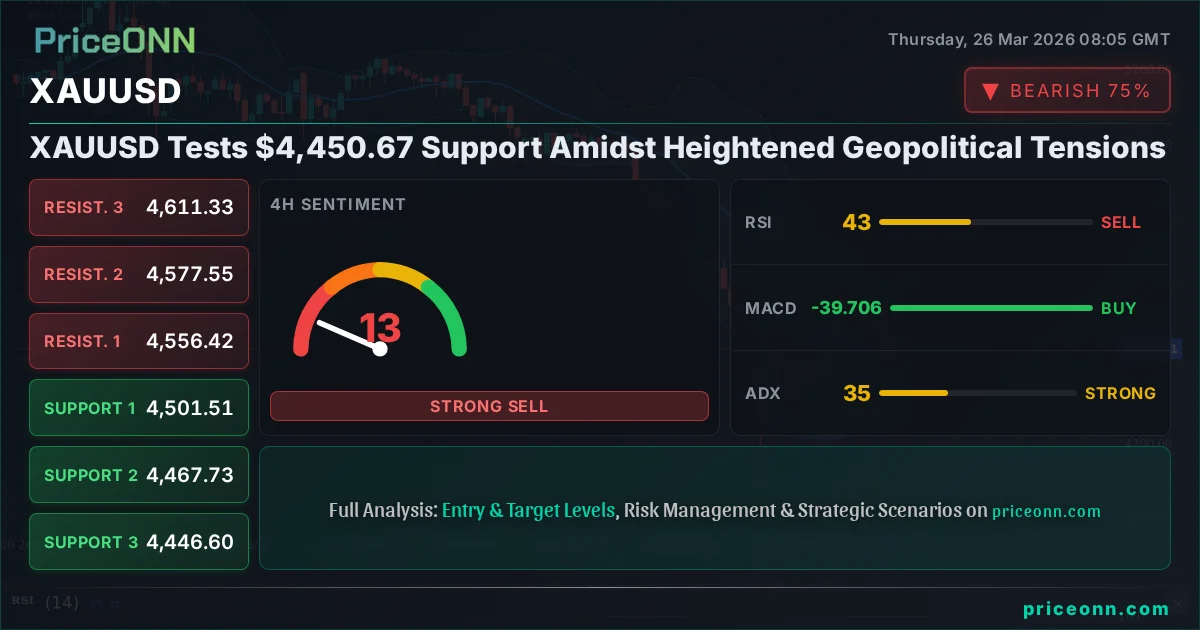
The recent disruption to maritime traffic in critical shipping lanes, notably the Strait of Hormuz due to heightened tensions, has exacerbated this situation. This choke point normally handles about 20% of global oil shipments. For key reserve accumulating nations in the Gulf Cooperation Council, stalled energy revenues have directly impacted their ability to purchase gold. In some instances, these countries have been forced to liquidate existing gold holdings to meet other financial obligations, thereby reducing a vital source of demand and weighing on prices.
Further pressure on gold prices is evident across Asian economies. Elevated oil prices have strained trade balances in several Asian nations. This widening of deficits means less surplus capital is available to flow into gold, curtailing demand that might otherwise materialize. China presents an interesting counterpoint, however. Data indicates a rise in inflows into gold-backed Exchange Traded Funds (ETFs) within China, and Shanghai gold premiums have reached as high as 4.4% above London spot prices, signaling robust domestic buying interest.
Investment Flows and Deleveraging Amplify Swings
The velocity of gold's recent price decline is largely a function of investment flows and the mechanics of leveraged trading. A surge in volatility across equity, currency, and interest rate markets has compelled a broad deleveraging event. Hedge funds, algorithmic trading systems, and other highly leveraged investment vehicles have been forced to liquidate positions to meet margin calls and manage risk. In this environment, gold's high liquidity makes it an accessible asset for raising cash quickly.
Additional factors contributing to the selling pressure include the unwinding of substantial US dollar short positions, systematic reductions in gold holdings driven by rising interest rates and a stronger dollar, and a capital rotation into energy commodities. The derivatives market, particularly options positioning and volatility-driven trading strategies, has also amplified short-term price fluctuations, creating a feedback loop of selling.
This episode bears resemblance to periods of acute market stress in 2008 and 2020. During those times, gold initially experienced sharp declines amid widespread panic before staging significant recoveries as central banks intervened with supportive monetary policies. Current conditions, characterized by tightening financial conditions and mounting systemic risk, suggest a similar pattern may be unfolding, potentially paving the way for renewed monetary easing.
The Bigger Picture
While the short-term price action in gold has been driven by liquidity concerns and forced selling, its longer-term fundamental support remains robust. Structural tailwinds such as persistent energy scarcity concerns, ongoing global fiscal expansion, and the gradual, albeit slow, erosion of the US dollar's dominance in the international reserve system continue to underpin gold's appeal. A further deterioration in global economic conditions could increase the probability of central banks re-engaging in quantitative easing, providing a potent catalyst for gold's next upward leg.
Silver has mirrored gold's volatility, experiencing an even more pronounced price swing. It fell to approximately $65 per ounce after reaching a February peak of over $121. This extreme price movement in silver appears to be largely driven by derivatives market activity and structural trading dynamics rather than core supply and demand fundamentals. The recent price reset in gold, therefore, appears to be a liquidity-driven event. Once global financial conditions stabilize, gold is well-positioned for a significant rebound.
The current market environment presents an interesting dichotomy. While gold has been pressured by a need for immediate cash, its underlying value drivers remain intact. This creates a potential opportunity for patient investors. The key will be monitoring the stabilization of financial conditions and any shifts in central bank policy. Related assets like the US Dollar Index (DXY) could see continued strength if global risk aversion persists, while a reversal in gold could signal a broader easing of financial stress, potentially benefiting riskier assets like tech stocks.
Track markets in real-time
Empower your investment decisions with AI-powered analysis, technical indicators and real-time price data.
Join Our Telegram Channel
Get breaking market news, AI analysis and trading signals delivered instantly to your Telegram.
Join Channel