Guyana's Oil Boom Will Boost Energy Security in the Americas

An Unprecedented Energy Awakening in South America
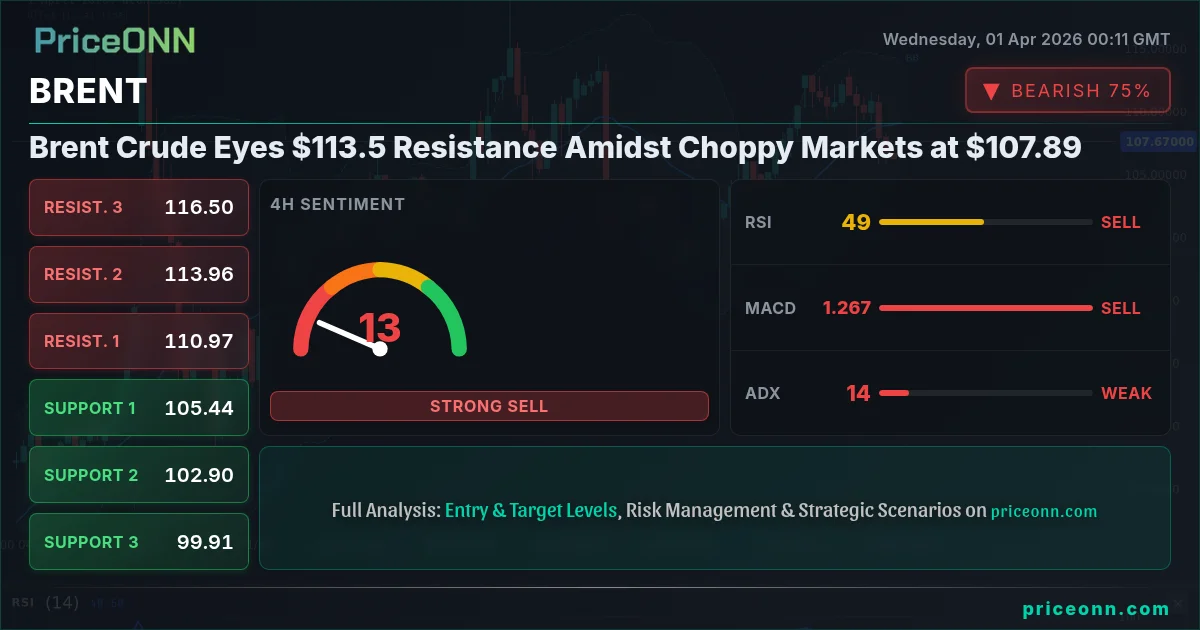
Consider this: a nation with fewer than one million inhabitants has catapulted itself onto the global energy stage with astonishing speed. In just four years, Guyana has journeyed from its inaugural oil discovery to producing over 900,000 barrels daily, a feat occurring at a critical juncture for world energy markets. This surge in production arrives as global energy supplies face immense pressure, highlighted by oil prices breaching $110 per barrel following significant geopolitical events impacting key shipping lanes. The implications for the Americas are profound, offering a much-needed buffer against reliance on Middle Eastern petroleum.
By the close of February 2026, Guyana's output had reached a remarkable 926,550 barrels per day. This level of production firmly establishes the former British colony as the continent's second-largest oil producer, surpassing established players like Venezuela and trailing only Brazil. Industry observers are highlighting Guyana's role as a vital, non-OPEC contributor to worldwide oil supply expansion. The engine behind this transformation is a partnership led by ExxonMobil, which has uncovered more than 30 substantial deposits within the vast 6.6-million-acre Stabroek Block. ExxonMobil operates the block with a 45% stake, while Chevron holds a 30% interest following its acquisition of Hess, and CNOOC manages the remaining 25%.
The estimated reserves within the Stabroek Block alone are colossal, with projections indicating at least 11 billion barrels of crude oil. This immense potential is being systematically tapped through a multi-phase development strategy. The consortium has already brought four major production facilities online: Liza Phase 1, Liza Phase 2, Payara, and Yellowtail. The pipeline of future projects is extensive and accelerating.
Accelerating Production and Strategic Importance
The next significant milestone is the Uaru facility, a massive undertaking costing $12.7 billion with a planned capacity of 250,000 barrels per day. This project is nearing completion and is slated to commence operations by the end of this year, pushing Guyana's total output past the 1.1 million barrels per day mark. Following closely is the Whiptail project, scheduled to begin production in 2027, which will add another 250,000 barrels per day, bringing the nation's daily output close to 1.4 million barrels.
Looking further ahead, the seventh sanctioned development, Hammerhead, is expected to start production in 2029, contributing an additional 150,000 barrels per day. What sets the eighth planned project, Longtail, apart is its focus on natural gas and condensate reserves. ExxonMobil recently submitted an environmental impact assessment for Longtail, with a final investment decision anticipated this year and a target startup in 2030. This project aims to produce 250,000 barrels of condensate and 1.2 billion cubic feet of natural gas daily. This development is particularly crucial for a region grappling with diminishing natural gas supplies, notably in the Caribbean, where Trinidad and Tobago has seen its natural gas exports decline dramatically.
By 2030, projections suggest Guyana could be producing approximately 1.7 million barrels of oil per day. This sustained growth trajectory solidifies its position as a cornerstone of South American energy production and offers a tangible solution to energy security concerns for the United States and its neighbors. This is especially relevant given recent events that disrupted major global energy transit routes, underscoring the vulnerability of supply chains dependent on the Middle East.
The United States is already a significant recipient of Guyana's oil. In 2025, U.S. imports from Guyana averaged 208,000 barrels per day, making it the largest supplier from South America, though still representing a modest 3.4% of total U.S. petroleum imports. As Guyana's capacity expands, these shipments are set to increase, directly reducing U.S. reliance on oil transported through more volatile regions.
Furthermore, the geopolitical landscape surrounding Guyana has seen a critical shift. The resolution of territorial disputes, particularly the long-standing claim by Venezuela over the Essequibo region, has removed a significant cloud of uncertainty. This region, rich in resources and comprising about 70% of Guyana's landmass, hosts the vital Stabroek Block. Past aggressive posturing from Venezuela, including military buildups and incursions into disputed waters, had threatened to destabilize this burgeoning oil boom. The de-escalation of these tensions has provided a more secure environment for continued investment and production growth. With Guyana situated less than 3,000 miles from U.S. Gulf Coast refineries, its expanding output offers a geographically advantageous and increasingly vital source of energy for the Western Hemisphere.
Market Ripple Effects
Guyana's rapidly expanding oil production presents a significant development for global energy markets and has several key implications for traders and investors. The sheer scale of the Stabroek Block's reserves and the accelerated development schedule mean that Guyana will become an increasingly influential non-OPEC producer. This growing supply will naturally exert some downward pressure on global oil prices, particularly if demand growth falters. For traders, monitoring West Texas Intermediate (WTI) and Brent crude futures will be paramount, as increased supply from a non-OPEC source can alter supply-demand balances.
The direct beneficiary in terms of increased supply is the United States. As Guyana's output rises, U.S. refiners, especially those on the Gulf Coast, will likely see a more consistent and geographically proximate source of crude. This could impact the spreads between WTI and Brent, potentially strengthening WTI's position. Consequently, the USD/CAD currency pair may also react, as Canadian oil production competes in similar markets. Increased North American supply could also influence inflation expectations, a key factor for central banks like the U.S. Federal Reserve. Traders should watch for any shifts in U.S. inventory data and refinery utilization rates, which could signal the absorption of this new supply. Additionally, the development of natural gas resources, particularly for the Caribbean market, could present opportunities in energy infrastructure and logistics companies operating in that region.
Track markets in real-time
Empower your investment decisions with AI-powered analysis, technical indicators and real-time price data.
Join Our Telegram Channel
Get breaking market news, AI analysis and trading signals delivered instantly to your Telegram.
Join Channel