IEA Signals Readiness for Another Emergency Oil Release
Global Energy Security on Alert
The specter of further strategic crude oil releases looms as the International Energy Agency (IEA) signals its readiness to intervene again should market disruptions intensify. Fatih Birol, the agency's executive director, indicated that the organization would not hesitate to deploy additional volumes from its member nations' stockpiles if deemed necessary. "If it is necessary, of course, we will do it," Birol stated, emphasizing a dynamic approach based on continuous market analysis and consultation with member states. This stance follows the IEA's decision earlier in the month to coordinate the release of a massive 400 million barrels of crude from Organization for Economic Co operation and Development (OECD) reserves. That unprecedented move was designed to mitigate the impact of severe supply chain disruptions impacting global oil flows.
This latest potential intervention underscores the precarious state of global energy markets. The March 11th coordinated release marked only the sixth such action in the IEA's history, highlighting the gravity of the current situation. The agency was established in the wake of the 1970s oil crises precisely to manage such supply shocks. The current turmoil is largely attributed to escalating military tensions in the Middle East, which have severely hampered shipping through the Strait of Hormuz, a vital artery for approximately 20% of the world's oil and liquefied natural gas trade. Birol himself has characterized the present supply challenges as exceeding the combined impact of the 1970s Arab oil embargo and the conflict in Ukraine, painting a stark picture of global energy vulnerability.
Stock Release: A Comfort, Not a Cure
While the prospect of further reserve releases offers a degree of market reassurance, Birol cautioned against viewing it as a panacea for the underlying supply crisis. "A stock release will help to comfort the markets, but this is not the solution. It will only help to reduce the pain in the economy," he explained. The immediate effects of regional conflicts are already being felt by producers in the Middle East, with some reportedly cutting back production due to dwindling storage capacity. This situation is further complicated by the flow of specific crude types, such as Iranian oil, entering the market amidst broader trade restrictions.
The geopolitical landscape has become increasingly volatile, with reports of attacks on energy infrastructure in neighboring countries by Iran, purportedly in retaliation for strikes on its own facilities, including the significant South Pars gas field. These retaliatory actions add another layer of uncertainty to an already strained supply chain. The IEA's strategic stockpile actions, therefore, serve as a critical, albeit temporary, buffer against immediate price spikes and supply shortages, providing breathing room for longer-term solutions to emerge.
Market Ripple Effects
The IEA's preparedness to deploy further strategic reserves injects a significant layer of uncertainty and potential volatility into global energy markets. While such actions aim to stabilize prices and ensure supply continuity, they also signal the underlying fragility of the current energy landscape. Traders and investors are now keenly watching for any indications of escalating conflict or further supply disruptions that might trigger another coordinated release.
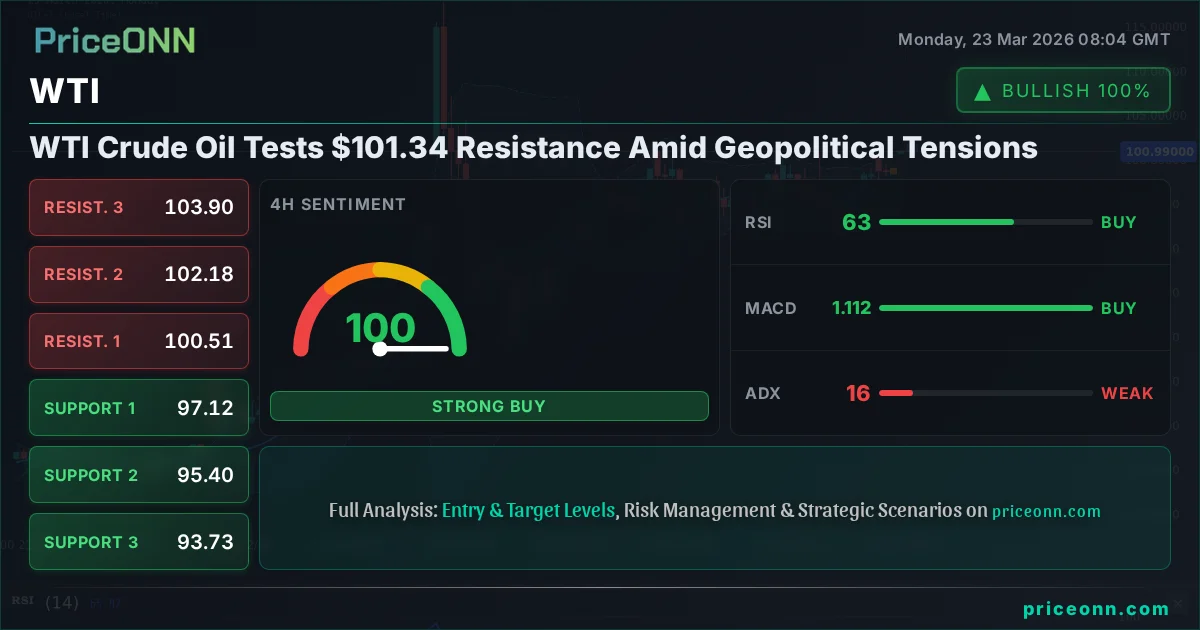
The immediate impact is felt across crude oil benchmarks like Brent and WTI, which often react sharply to supply-side news, especially from the Middle East. Geopolitical tensions in this region directly influence these prices. Furthermore, the US Dollar Index (DXY) could see fluctuations as global risk sentiment shifts; heightened energy market instability often leads to a flight to safety, potentially strengthening the dollar. Additionally, the situation has implications for energy-related equities, particularly major oil producers and refiners, whose profit margins are directly tied to crude prices and supply stability. The ongoing volatility also keeps inflation expectations in sharp focus, potentially influencing central bank policy decisions regarding interest rates.
Reading Between the Lines
Birol's statement, while reassuring in its intent, also highlights a critical dilemma for energy policymakers. The reliance on strategic reserves, a finite resource, is a temporary measure. The fact that the IEA is publicly signaling readiness for another release suggests that current market conditions are perceived as exceptionally tight and potentially deteriorating. The agency's assessment that a stock release will only "reduce the pain" implies that fundamental supply issues remain unaddressed, potentially stemming from production capacity constraints or persistent geopolitical blockades affecting key trade routes. The mention that the trigger is not a specific price level indicates a focus on physical supply security over purely market sentiment, a crucial distinction for traders attempting to gauge future interventions. The escalating conflict and retaliatory actions in the Middle East add a dangerous wildcard, capable of rapidly overshadowing any temporary relief provided by reserve releases.
Track markets in real-time
Empower your investment decisions with AI-powered analysis, technical indicators and real-time price data.
Join Our Telegram Channel
Get breaking market news, AI analysis and trading signals delivered instantly to your Telegram.
Join Channel