
Iraq's Oil Economy Faces Collapse as Hormuz Blockade Squeezes Exports
Iraq finds itself in a precarious economic position as escalating regional tensions have led to the critical closure of the Strait of Hormuz, a vital chokepoint for global energy shipments. For OPEC's second-largest producer, this disruption has had an immediate and devastating impact, threatening a collapse of its heavily oil-dependent economy.
Market Context
The disruption to oil exports, which form the backbone of Iraq's state budget, has triggered a severe revenue crunch. Analysts note that Iraq's economic structure is uniquely reliant on crude sales, with petroleum accounting for a staggering 90% of state budget revenues. This level of dependence is significantly higher than that of its Middle Eastern neighbors, leaving it with little financial buffer during such crises. Unlike major energy exporters such as Saudi Arabia and the UAE, Iraq lacks alternative export routes that bypass the Strait of Hormuz. This absence of contingency planning has forced the nation into drastic measures, including slashing production as storage facilities and available tankers in the Gulf reach capacity.
Analysis & Drivers
The primary driver behind Iraq's current economic distress is the geopolitical crisis leading to the closure of the Strait of Hormuz. This vital waterway is responsible for the transit of a significant portion of global oil supply. For Iraq, which exports the vast majority of its crude through its southern terminals, the blockage has effectively severed its primary revenue stream. Industry reports indicate that Iraqi oil output has plummeted by as much as 70% within the first week of the crisis, a steeper decline than experienced by other regional producers. In an attempt to mitigate these losses, Iraq has begun efforts to reactivate an old northern oil export pathway that would channel crude from the Kirkuk fields to Turkey's Mediterranean port of Ceyhan. However, this route offers only a limited alternative and may not fully compensate for the loss of southern exports.
Trader Implications
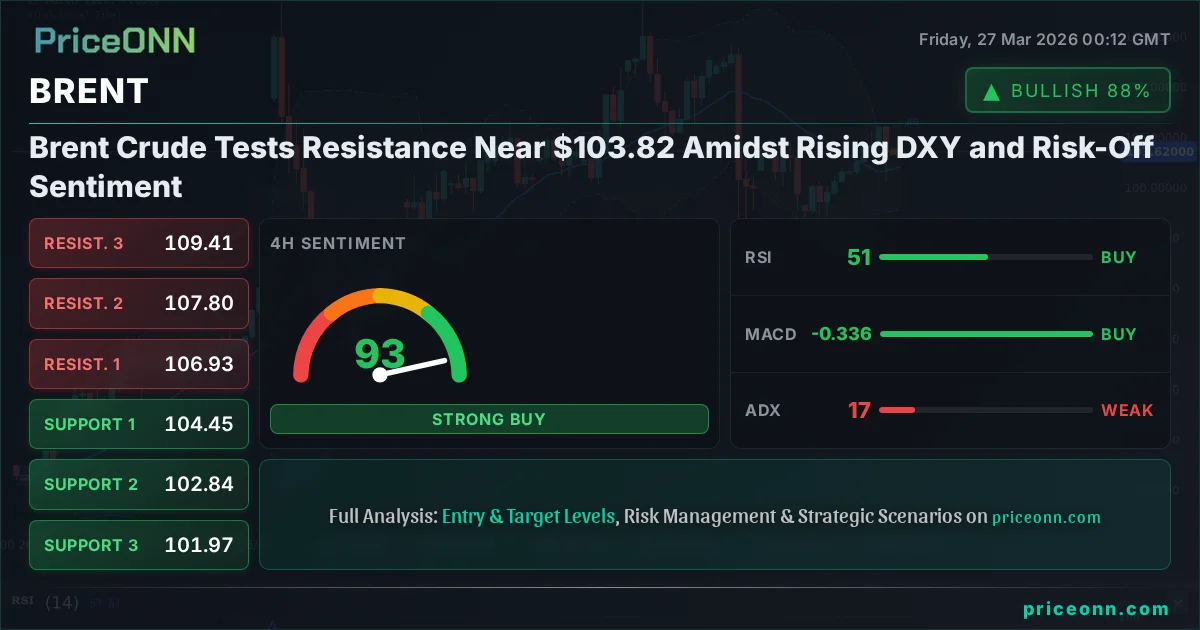
Traders are closely monitoring the situation for signs of easing tensions or the successful rerouting of Iraqi crude. The significant reduction in Iraqi supply, coupled with potential disruptions from other producers in the region, could lead to increased volatility in global oil prices. Key levels to watch will be the current price of Brent crude, which has seen upward pressure amid supply fears, and West Texas Intermediate (WTI). The success of Iraq's northern export route reactivation will be a critical factor influencing short-term price movements. Traders should also be aware of the lack of substantial sovereign wealth funds in Iraq, meaning the government has limited capacity to absorb prolonged revenue shortfalls, potentially leading to increased market instability.
Outlook
The immediate outlook for Iraq's economy remains bleak as long as the Strait of Hormuz remains impassable. The country's unparalleled dependence on oil revenue and its lack of diversified income streams make it exceptionally vulnerable to external shocks. While efforts to reroute some exports through Turkey offer a glimmer of hope, the scale of the disruption suggests a prolonged period of economic hardship. Market participants will be watching for any diplomatic breakthroughs or developments regarding the northern export route's operational status. The situation underscores the geopolitical risks inherent in energy markets and the critical need for supply diversification.
Frequently Asked Questions
What is the immediate impact of the Strait of Hormuz blockade on Iraq's oil exports?
Iraq's oil exports have been severely curtailed, with output reportedly plummeting by as much as 70% within the first week of the crisis. This has led to a significant revenue crunch for the nation.
How is Iraq attempting to circumvent the export blockage?
Iraq is working to reactivate an old northern oil export pathway that would transport crude from the Kirkuk fields to Turkey's Mediterranean port of Ceyhan. This route aims to provide an alternative to the blocked southern export channels.
What are the long-term economic risks for Iraq due to its oil dependency?
Iraq's economy is highly vulnerable due to its extreme reliance on oil, which funds 90% of its state budget. Without diversified revenue streams, prolonged disruptions like the Hormuz blockade could lead to sustained economic collapse.
Track markets in real-time
Empower your investment decisions with AI-powered analysis, technical indicators and real-time price data.
Join Our Telegram Channel
Get breaking market news, AI analysis and trading signals delivered instantly to your Telegram.
Join Channel
PriceONN