New fees, fewer flights: Higher fuel prices pinch consumer budgets beyond the gas pump
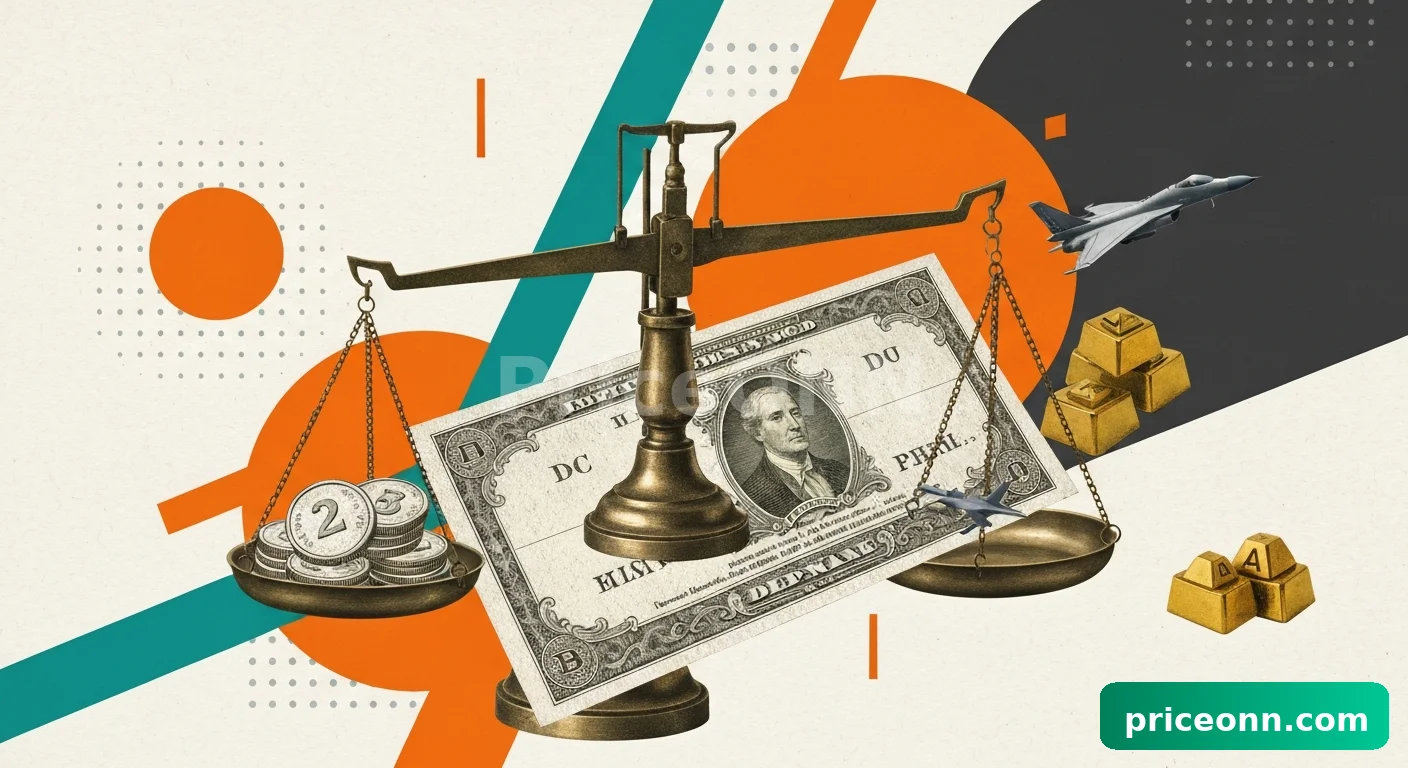
Beyond the Pump: The Hidden Costs of Geopolitical Oil Spikes
The ripple effects of escalating global oil prices are no longer confined to the familiar sting at the gas station. As geopolitical tensions, particularly the ongoing conflict involving Iran, reshape supply dynamics, consumers across the United States are bracing for a broader economic impact. This isn't merely a temporary blip; organizations are recalibrating their strategies, anticipating that volatile crude prices will transition from an unexpected disruption to a sustained feature of the economic landscape. This strategic shift means Americans will feel the pinch in their wallets through a variety of services, not just at the fueling station.
The critical chokepoint of the Strait of Hormuz, a vital artery for global oil transit, remains a focal point. Blockades or disruptions here directly depress supply, fueling sharp price increases. The numbers paint a stark picture: Brent crude futures for May delivery have surged by over 55% in March, a performance on track to become the largest monthly gain recorded since 1998. U.S. benchmark oil prices are not far behind, registering a robust 49% increase month to date. This dramatic escalation in raw material costs is forcing a reevaluation of pricing across multiple sectors.
Service Industries Grapple with Soaring Input Costs
The U.S. Postal Service (USPS) has signaled its intent to pass on a portion of these increased operational expenses. The agency announced plans for a temporary 8% surcharge on package and express mail deliveries. This proposed adjustment, pending regulatory approval, is slated to take effect in late April and potentially extend into early 2027. A USPS statement emphasized that this measure is designed to provide necessary financial flexibility, ensuring that the actual costs of providing services are covered, as mandated by Congress.
Aviation is another sector feeling the immediate heat. United Airlines, through a memo from CEO Scott Kirby, indicated a strategic pullback from less profitable flight routes in the coming quarters. Services operating during off-peak times such as midweek, Saturdays, and overnight are reportedly under review. The airline is modeling a scenario where oil prices could reach $175 per barrel and sustain above the significant $100 threshold through the end of next year. At these levels, United's annual fuel expenditure could balloon by an astonishing $11 billion, a figure that dwarfs its profit in peak years. Kirby acknowledged the inevitable: "I think fares will continue to go up in line with oil prices," he stated, underscoring the necessity of passing input costs to consumers.
Manufacturing and the gig economy are not immune either. William Brown, CEO of 3M, indicated that elevated oil prices could necessitate price increases for their products, drawing parallels to past adjustments made in response to tariff policies. He stated, "If the price of oil stays elevated, we're going to have to take action like we had to do last year and be responsive on pricing." Similarly, ride sharing and delivery platforms, while offering driver incentives like gas rewards programs, face scrutiny. Advocates for gig workers highlight that these drivers lack the pricing power of other contractors, directly impacting their net earnings as fuel costs climb. Yuko Yamazaki, Lyft's head of driver, confirmed this sentiment, noting that "Drivers are feeling the cost of rising gas prices, which ultimately impacts their earnings."
The broader economic sentiment is also reflecting these pressures. Average unleaded gasoline prices have climbed near the $4 per gallon mark, a substantial 33% increase from the previous month, according to AAA data. This marks a return to price levels not seen since the 2022 invasion of Ukraine. Consumer confidence has consequently dipped, with the University of Michigan's Surveys of Consumers showing a nearly 6% fall in its headline index for March, reaching one of its lowest points historically. Senior economist Elizabeth Renter commented, "War worsens consumers' feelings about the economy. This isn't a shocking revelation. When we go to war, people anticipate worsening economic constraints, including higher prices."
Market Ripple Effects
The escalating cost of crude oil and its downstream impact on services presents a complex environment for traders and investors. The immediate takeaway is the inflationary pressure this exerts on the global economy. Companies with significant exposure to transportation and logistics costs, such as airlines, shipping firms, and delivery services, will likely see their margins squeezed unless they can effectively pass these costs onto consumers. This dynamic could lead to increased volatility in their stock prices.
Several key market connections warrant close observation:
- Energy Stocks: While oil producers and refiners may benefit from higher prices, the overall energy sector could face headwinds if demand destruction becomes significant. Keep an eye on major oil ETFs and individual energy company performance.
- USD/CAD: The Canadian dollar often correlates with oil prices due to Canada's status as a major oil exporter. A sustained rise in crude could provide support for the Loonie against the US dollar.
- Inflation Expectations: Rising energy costs are a primary driver of inflation. Traders should monitor inflation expectations data, such as TIPS breakeven rates, as they could influence central bank policy.
- Consumer Discretionary Sector: As consumers face higher costs for essentials like travel and shipping, spending on non-essential goods and services may decline, negatively impacting companies in this sector.
The critical risk here is a feedback loop where higher energy costs fuel broader inflation, leading to tighter monetary policy, which in turn could dampen economic growth. Conversely, an effective de-escalation of geopolitical tensions could rapidly reverse these price pressures, creating opportunities in sectors sensitive to lower input costs.
Track markets in real-time
Empower your investment decisions with AI-powered analysis, technical indicators and real-time price data.
Join Our Telegram Channel
Get breaking market news, AI analysis and trading signals delivered instantly to your Telegram.
Join Channel