Is Nuclear Power the Answer to the Global Energy Crunch?
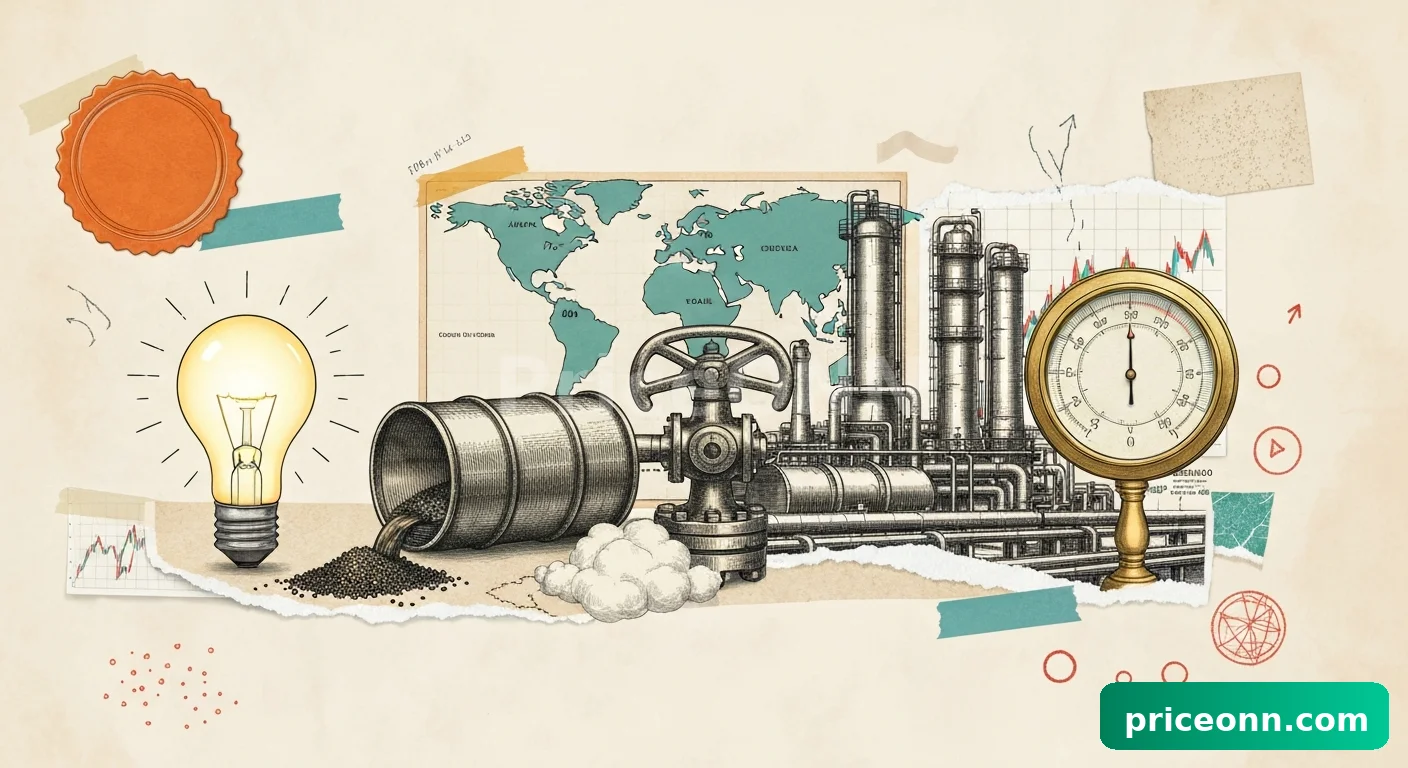
A significant global energy realignment is underway, with nuclear power re-emerging as a pivotal component in the quest for stable, low-carbon energy. The current geopolitical climate, marked by escalating tensions in the Middle East, has exacerbated an existing crunch in oil and gas supplies, intensifying the focus on nuclear energy as a reliable baseload power source.
This renewed interest is prompting candid reflections from political leaders. Earlier this month, European Commission President Ursula von der Leyen stated at a nuclear energy summit that Europe's past decision to move away from nuclear power was a 'strategic mistake', lamenting the missed opportunity for a dependable, cost-effective, and low-emission energy stream. This statement marks a notable shift, given her previous support for Germany's nuclear phaseout.
In response to this evolving landscape, the European Commission has pledged €200 million towards the advancement of innovative nuclear technologies, with a particular emphasis on Small Modular Reactors (SMRs). While SMRs are a subject of significant discussion, their deployment faces complexities that are proving more challenging than initially projected.
Market Context
The push towards nuclear power is gaining traction globally, driven by the need for energy security and decarbonization. Existing nuclear facilities offer a readily available source of power, and efforts are underway to bring idled capacity back online, particularly in nations like Japan. Recent analyses suggest that the ongoing Middle Eastern crisis will likely compel both Japan and South Korea to increase their long-term reliance on nuclear energy. In the interim, coal is expected to serve as a crucial bridging fuel to address immediate supply gaps.
Industry reports indicate that the current crisis is 'accelerating structural shifts toward nuclear expansion, slower coal retirements and the localisation of clean energy supply chains.' This strategic pivot towards nuclear energy is particularly noteworthy for Japan and South Korea, given their relatively limited direct exposure to the most acute impacts of the current geopolitical flare-up. The resurgence in nuclear interest spans both Asia and Europe, signaling a broad, international re-evaluation of energy priorities.
Analysis & Drivers
The primary driver for nuclear energy's renewed appeal is the heightened volatility and uncertainty surrounding fossil fuel markets. The disruption of oil and gas supplies, coupled with price spikes, underscores the vulnerability of economies heavily reliant on these resources. Nuclear power, offering a stable and predictable energy output independent of fluctuating global commodity markets, presents a compelling alternative for baseload electricity generation.
Furthermore, the increasing global commitment to climate goals necessitates the expansion of low-carbon energy sources. While renewable sources like solar and wind are crucial, their intermittent nature requires robust backup or storage solutions. Nuclear power provides a consistent, carbon-free energy supply that complements intermittent renewables, thereby enhancing overall grid stability and facilitating deeper decarbonization efforts. The admission from European leadership about past strategic missteps highlights a growing recognition of nuclear's role in achieving energy security and climate objectives simultaneously.
Trader Implications
For traders, the implications of this nuclear energy renaissance are multifaceted. Firstly, it suggests a potential shift in investment flows away from traditional fossil fuel infrastructure towards nuclear power development and related technologies. Companies involved in uranium mining, reactor construction, and nuclear fuel services may see increased interest.
Secondly, the long-term demand for natural gas and oil as primary power generation fuels could be tempered by a sustained expansion of nuclear capacity. This could influence price forecasts for crude oil and natural gas, potentially capping upside potential in the medium to long term, especially if significant new nuclear projects come online. Traders should monitor government policy shifts, regulatory approvals for new plants and SMRs, and advancements in nuclear safety and waste management technologies.
Key levels to watch include the price of uranium, which could see upward pressure if demand for new construction and existing plant fuel significantly increases. Additionally, the cost of capital for nuclear projects will be critical; any reduction in financing costs or government subsidies could accelerate development and impact energy markets more broadly. Traders should also keep an eye on the operational status of existing nuclear fleets, as unplanned outages or shutdowns could temporarily boost demand for alternative fuels like natural gas.
Outlook
The trajectory of nuclear energy appears to be on an upward path, bolstered by geopolitical realities and climate imperatives. While the lengthy lead times for new large-scale reactors remain a constraint, the focus on SMRs and the potential to recommission existing capacity offer avenues for more immediate impact. The coming years will likely see increased governmental support, private sector investment, and technological innovation in the nuclear sector. This could gradually reshape the global energy mix, offering a more resilient and lower-carbon alternative to fossil fuels, particularly for baseload power requirements.
Track markets in real-time
Empower your investment decisions with AI-powered analysis, technical indicators and real-time price data.
Join Our Telegram Channel
Get breaking market news, AI analysis and trading signals delivered instantly to your Telegram.
Join Channel