
Recession Odds Surge Past 45% as Geopolitical Risk and Oil Prices Bite

The specter of an economic contraction is looming larger, as market analysts and economists on Wall Street are substantially revising upward their assessments of recession risk within the next twelve months. This heightened concern is a direct response to a volatile geopolitical landscape and emerging weaknesses in the labor market, painting a somber picture for the global economy.
Market Context
Several prominent financial institutions have adjusted their recession probability forecasts. Moody's Analytics now estimates the 12-month recession outlook at a notable 48.6%, a significant jump from typical baseline risks which usually hover around 20%. Goldman Sachs has revised its estimate to 30%, while Wilmington Trust places the odds at 45%. EY Parthenon suggests these probabilities could escalate rapidly if the current Middle East conflict intensifies or prolongs. The urgency in these revised outlooks underscores a departure from more stable economic periods, highlighting increased vulnerability.
Analysis & Drivers
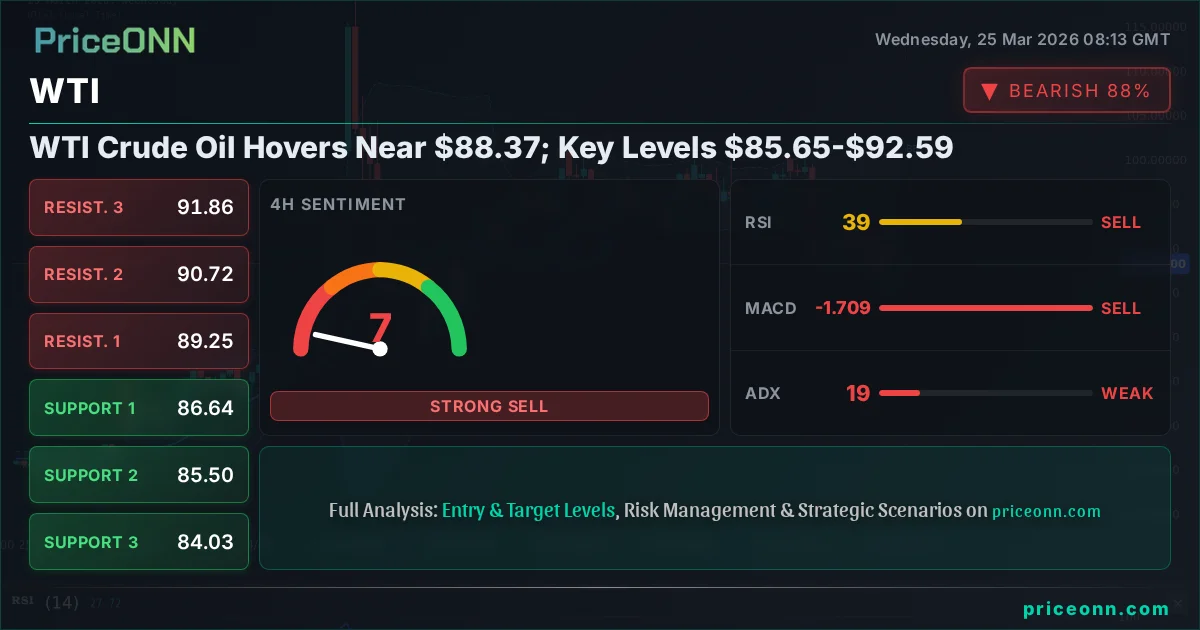
The primary catalysts fueling these elevated recession probabilities are twofold: escalating geopolitical instability and the subsequent impact on energy markets. Historically, major oil price shocks have preceded nearly every U.S. recession since the Great Depression, with the exception of the unique circumstances of the COVID-19 pandemic. Recent data indicates a sharp rise in gasoline prices, which have climbed approximately 35% to $1.02 per gallon over the past month, according to AAA. While the precise economic ramifications are still under debate, the upward trend in energy costs poses a significant threat. Analysts note that the adverse effects of elevated oil prices manifest swiftly and decisively. If crude prices sustain current levels through the end of the second quarter, it could indeed tip the economy into a recessionary period.
Trader Implications
Traders and investors are facing an environment of increased uncertainty. The rising probability of a recession suggests a potential slowdown in consumer spending and corporate earnings, which could weigh on equity markets. Key indicators to watch include the trajectory of oil prices, inflation data, and employment figures. A sustained surge in crude oil prices above $85 per barrel, coupled with weakening job creation numbers, would likely increase risk aversion. Conversely, a de-escalation of geopolitical tensions and a stabilization of energy costs could provide some relief. Traders should consider defensive positioning, focusing on sectors less sensitive to economic downturns and closely monitoring central bank commentary for any shifts in monetary policy stance. Key support levels for major indices should be watched, as a breach could signal further downside momentum.
Outlook
The coming months will be critical in determining whether the U.S. economy succumbs to recessionary pressures. The interplay between ongoing geopolitical conflicts, energy market volatility, and labor market resilience will dictate the economic trajectory. Policymakers face the challenging task of balancing inflation control with growth support. Traders should remain vigilant, as any significant shift in the Middle East conflict or a sharper-than-expected downturn in employment data could trigger substantial market movements. The elevated recession odds suggest a cautious sentiment is warranted, with potential for increased volatility across asset classes.
Frequently Asked Questions
What is the current estimated probability of a U.S. recession in the next 12 months?
Market data shows that recession probabilities have climbed significantly, with Moody's Analytics estimating the 12-month outlook at 48.6%. This is substantially higher than the historical baseline risk of around 20%.
How are rising oil prices impacting recession forecasts?
Rising oil prices, with gasoline climbing 35% in a month, are a major driver. Analysts suggest that if crude prices remain elevated through Q2, it could directly contribute to a recession, echoing historical patterns.
What should traders watch for in the coming months?
Traders should monitor oil prices, inflation reports, and employment data closely. A sustained rise in crude above $85 per barrel or weakening job growth would increase recessionary concerns and market volatility.
Track markets in real-time
Empower your investment decisions with AI-powered analysis, technical indicators and real-time price data.
Join Our Telegram Channel
Get breaking market news, AI analysis and trading signals delivered instantly to your Telegram.
Join Channel

PriceONN